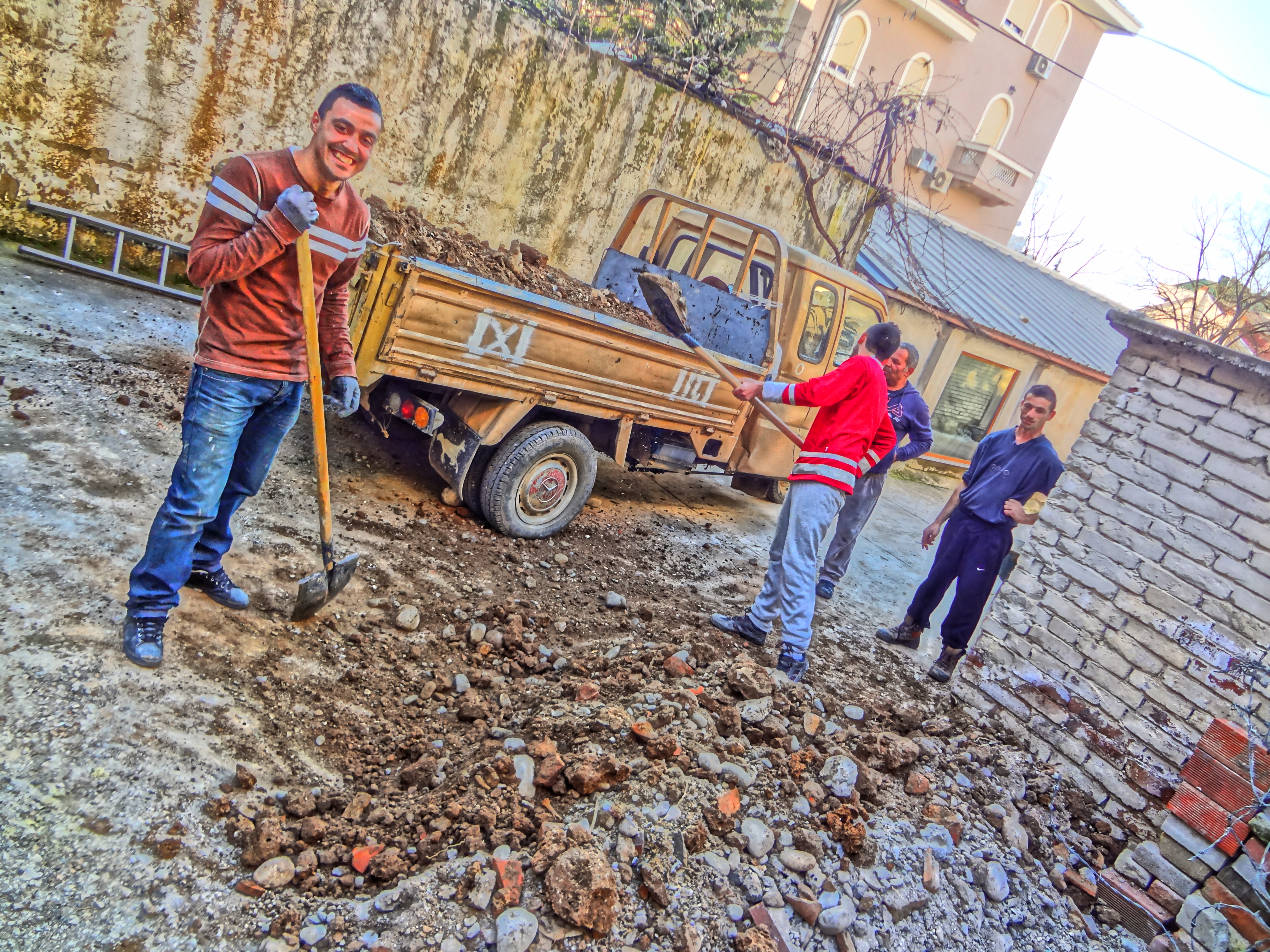
The project of taking a dilapidated outbuilding and  trying to incorporate it into the main church building is posing some unique challenges.  The structure needs to remain standing over the course of the project, so as to shield our activity from curious neighbors.  One part of the project is excavation for and the pouring of new concrete footers, stem walls and a slab for the floor.  We are having to move methodically and with great care.

Image

The existing structure was built some time between 1960 and the fall of communism in 1991. The frame for the structure is made of cured lumber in the form of whole logs.  Each tree is about ten inches in diameter at its base and six at the top.  These logs are held together by 2 x 3s every 1.5 meters and stand about 1.5 meters apart.  While exploring what lay above the pressboard ceiling today, I found that one of the logs which composes the roof has rotted in half and is remaining overhead as a course of habit and little else.

Image

This is my first time demolishing something erected by communist-era workers.  The methods and materials would not meet any of the codes I’ve come to know in the States, yet the structure seems sound and to have performed according to what it was designed for.  This project is the first one I’ve had relative control over since my arrival here in April, and I am grateful for the extra challenges and responsibility.  This is where I thrive. 
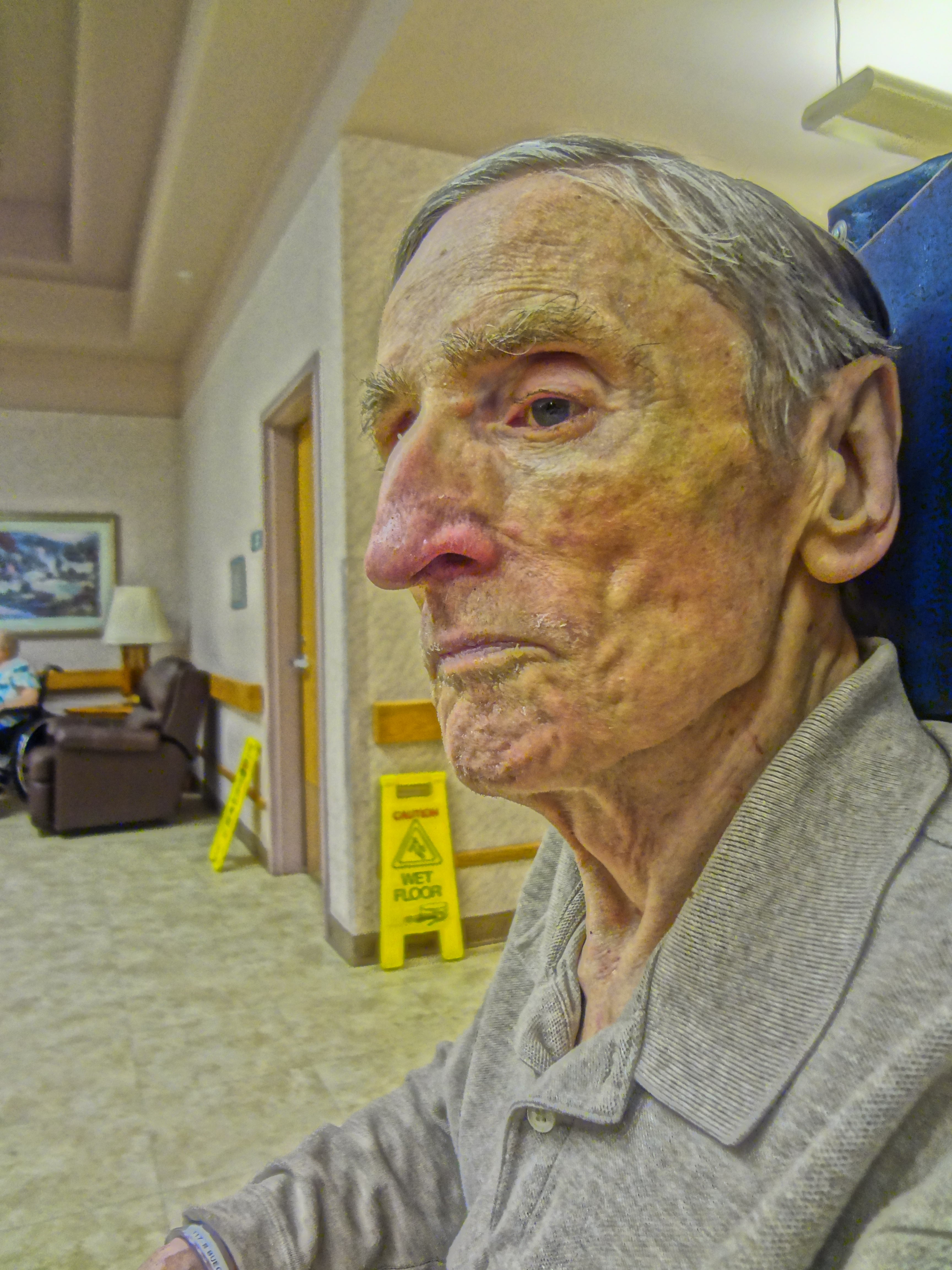
He was not a proud man

Quiet choosing only to expose some

Talents when we needed to see

Face of a man we loved

Dearly sketched in pencil under glass


He was not a tall man

Smiling from the shadow of a

Fierce and driven third of four

Laughing queerly to our American ears

Wine glass and some small portion


He was not a loud man

Finding another at table to flash

Eyes or teeth guffaw before reclining

Only you might notice what might

Not have ever been at all


He was a good man

Companion for his life time

A source for healing us

Joy thickened with German salt

We miss him even now

Image

Joshua Hughes

5.March.2013

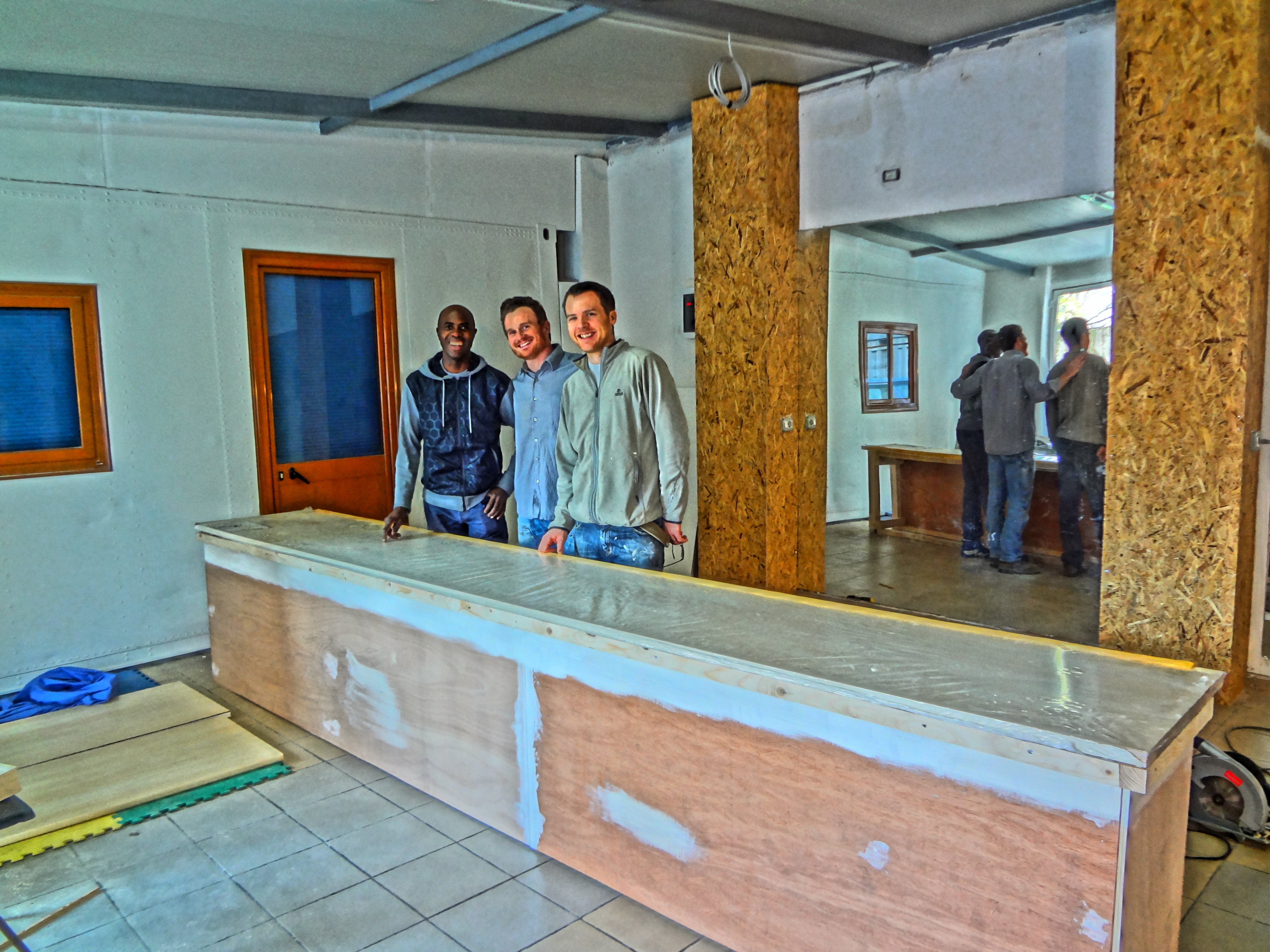
ImageI love it here.  Today I got to build a bar top for the cafe at the International Church.  We have two projects running concurrently with the finishing of the cafe being one, and the excavation in the storage room for a new foundation being the other.  One of the workers, a man named Mustafa, was at church yesterday.  Hopefully he and I will be able to connect over the course of the week.  Working with the people here, one can not help but develop friendships.  I hope that Mustafa will be encouraged by what he sees in the people who are volunteering at the church so that he will investigate Christianity further.

Image

Working overseas will make any carpenter from the States pine over the tools he left back home.  I spent the day getting acquainted with the church’s Metabo circular saw.  It is like a Makita or Bosch only far more cumbersome and clumsy.  The bar should be completed after another eight hours of work.  I am happy to be here to take some of the burden from Cleon and Robin.  Missionaries have a way of becoming so overburdened by tasks that they lack the time to spend with their family, or to connect with the local people.

Image

Robin’s wife Bonny came by with their daughter for lunch.  They are a sweet family and have come to serve from England.  In just a little over a week we have gone from not being particularly sure what each-other’s names are to having the foundation of friendship.  God is so good.

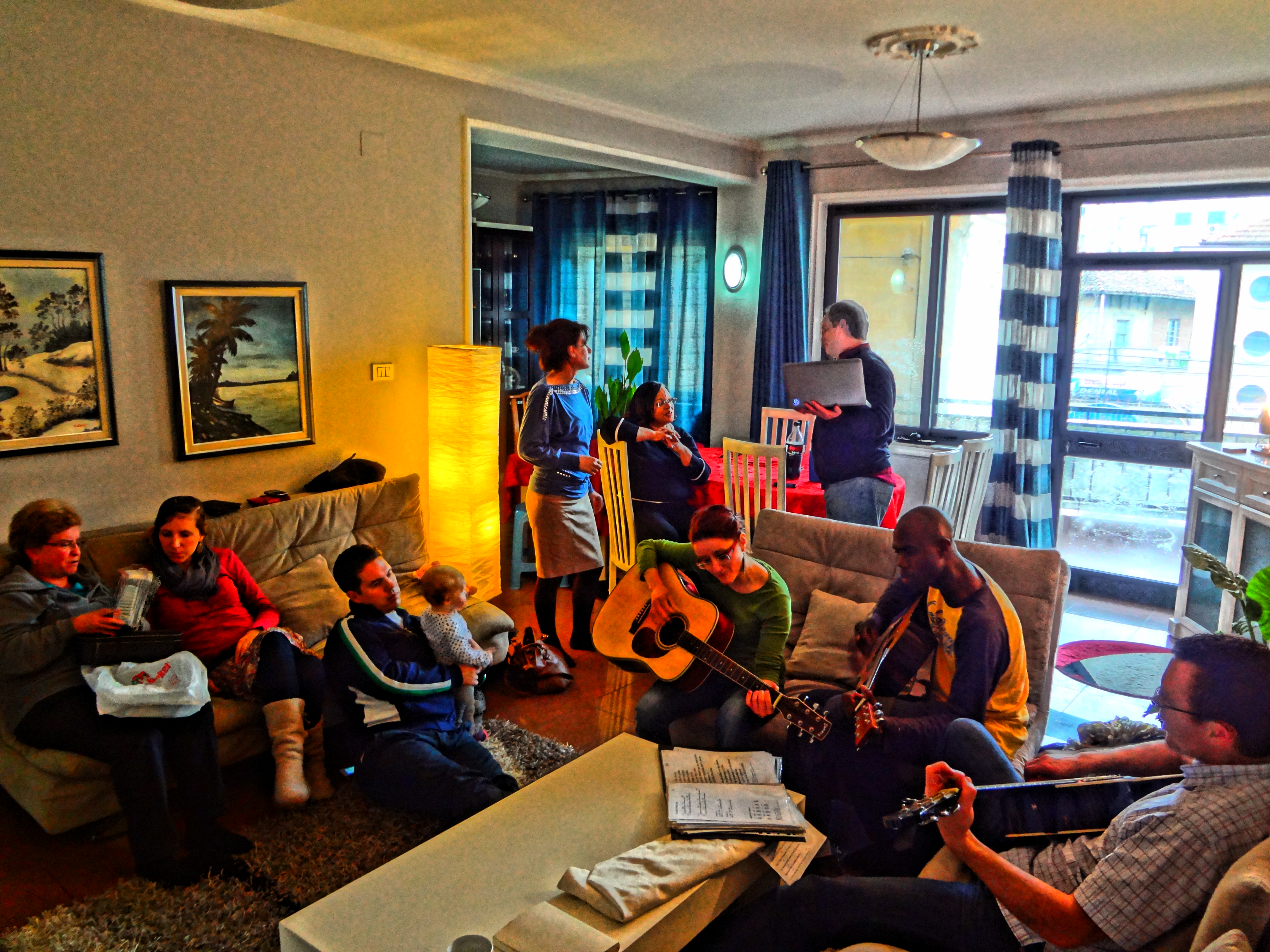
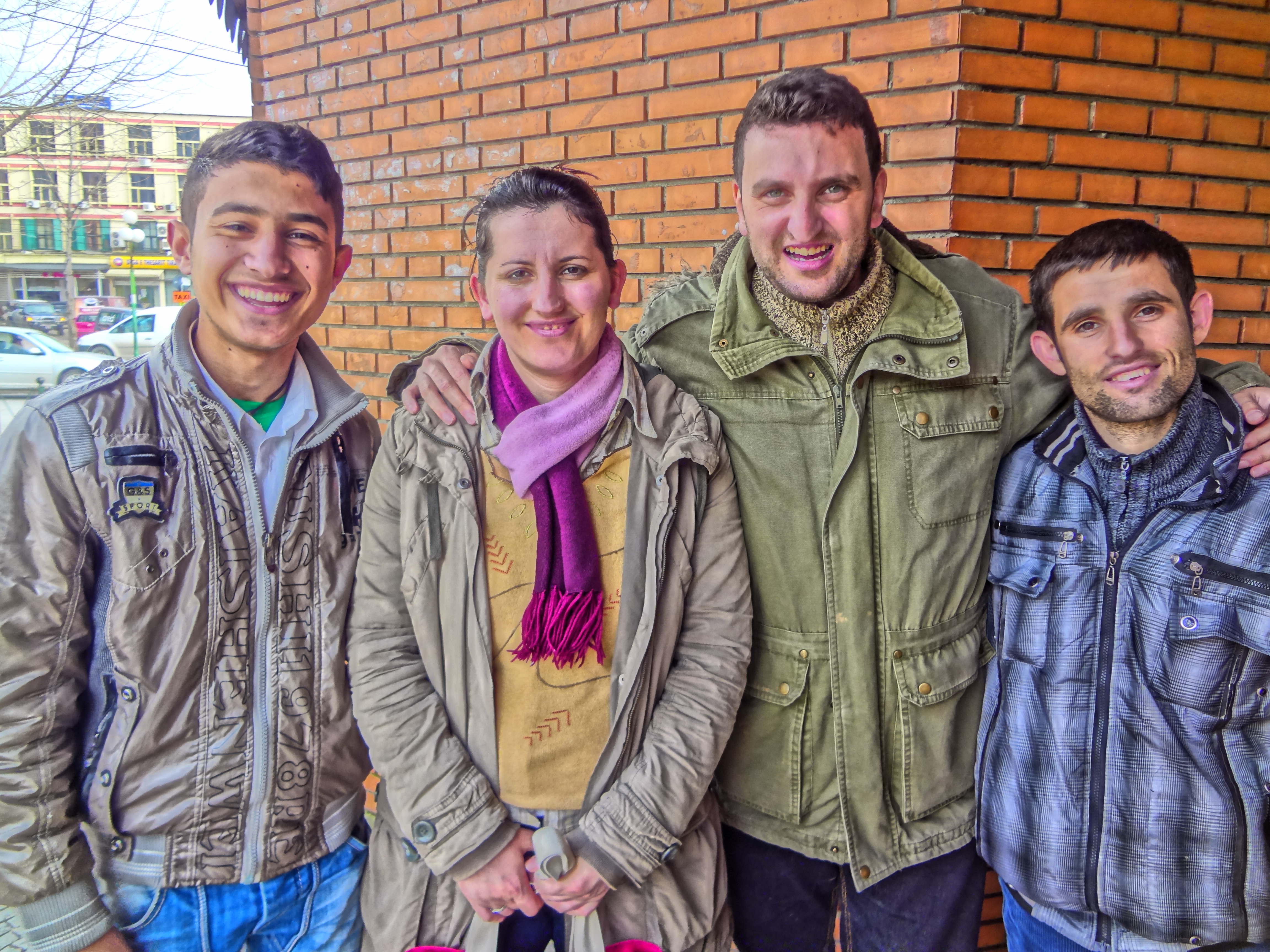
Yesterday and today I was surrounded by the community of missionaries here in Tirana.  The International Church attracts visitors from all over the world to worship and to serve.  Cleon, a missionary to Albania from Barbados, works at the International Church and is excellent at fostering community.  Yesterday he had about ten people over to his house for fellowship and a brunch.  After we ate there was time to talk and sing together.  Before long, three people had brought their guitars to a coordinated, air-filling hum.

Image

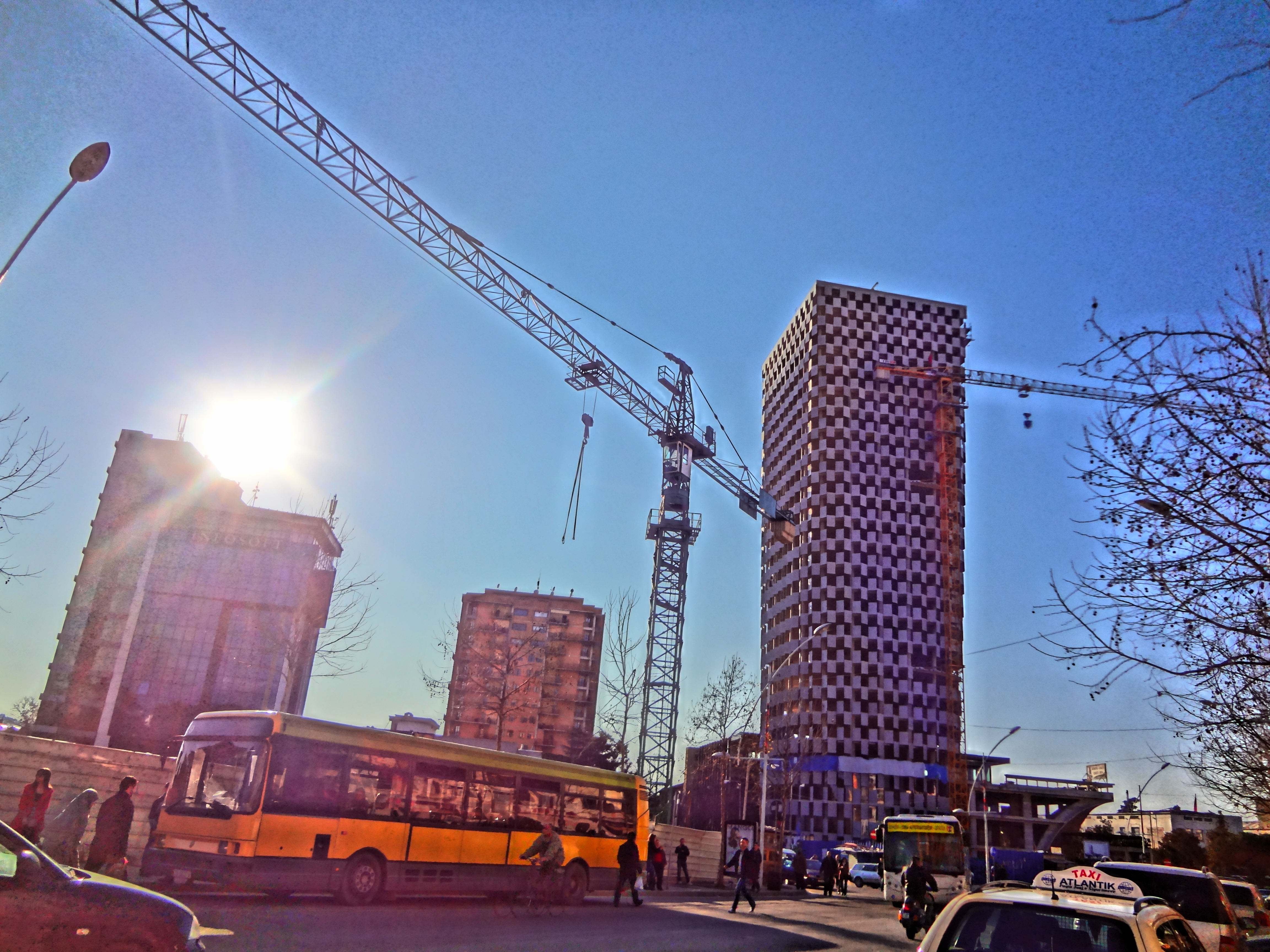
This morning after church, about a dozen of us had lunch together.  Sitting around the table were a family of four from India, an Amerian woman with her Albanian daughter, and four other people from the States.  The International Protestant Assembly is a ready made congregation both for temporary and life-time residents of Tirana.  It was established twenty years ago and has grown to become a vibrant congregation with a core group of ministers and volunteers.  Over that time, the IPA has seen many changes in Albania.  Standing at the bus stop after lunch, I found myself wondering where the nation of Albania will find itself in twenty more years.  Will other nations have invested into the infrastructure so as to make this nation the production center it could be?  Will the crisis have lifted and the European Union have accepted nations like Turkey, Iceland and Albania into its ranks?

Image

Albania, the second poorest nation in all of Europe, feels like a nation balanced on a precipice.  If nurtured, it could be one of the great nations of our world.

Image

On Friday, as I walked by Osman’s blacksmith garage I noticed that the entire yard is his now.  Shpetim has moved his tile store to the plot of land just north on the road to Kruja.  Shpetim was one of the first friends I made here.  Most of my friendships have been the result of two men simply making time to talk together.  I have been attempting to gather some Albanian shpreje (expressions) as a way of learning more of the language and also more of the culture here.

Image

Shpetim asked me why I haven’t taken an Albanian wife, and I replied “Zoti e di,” (God knows) which is the most politically correct answer in my small quiver of cultural understanding.  Shpetim said “Duke pyetur gjindet Stambolli,” (by asking located Istanbul).  Any man seeking something diligently will, with the help of others, find it.  He then went on to say that if I really wanted a wife, all I had to do was to ask enough people where to find her, and there she would be before me; like the  capital of the civilized world.

Image

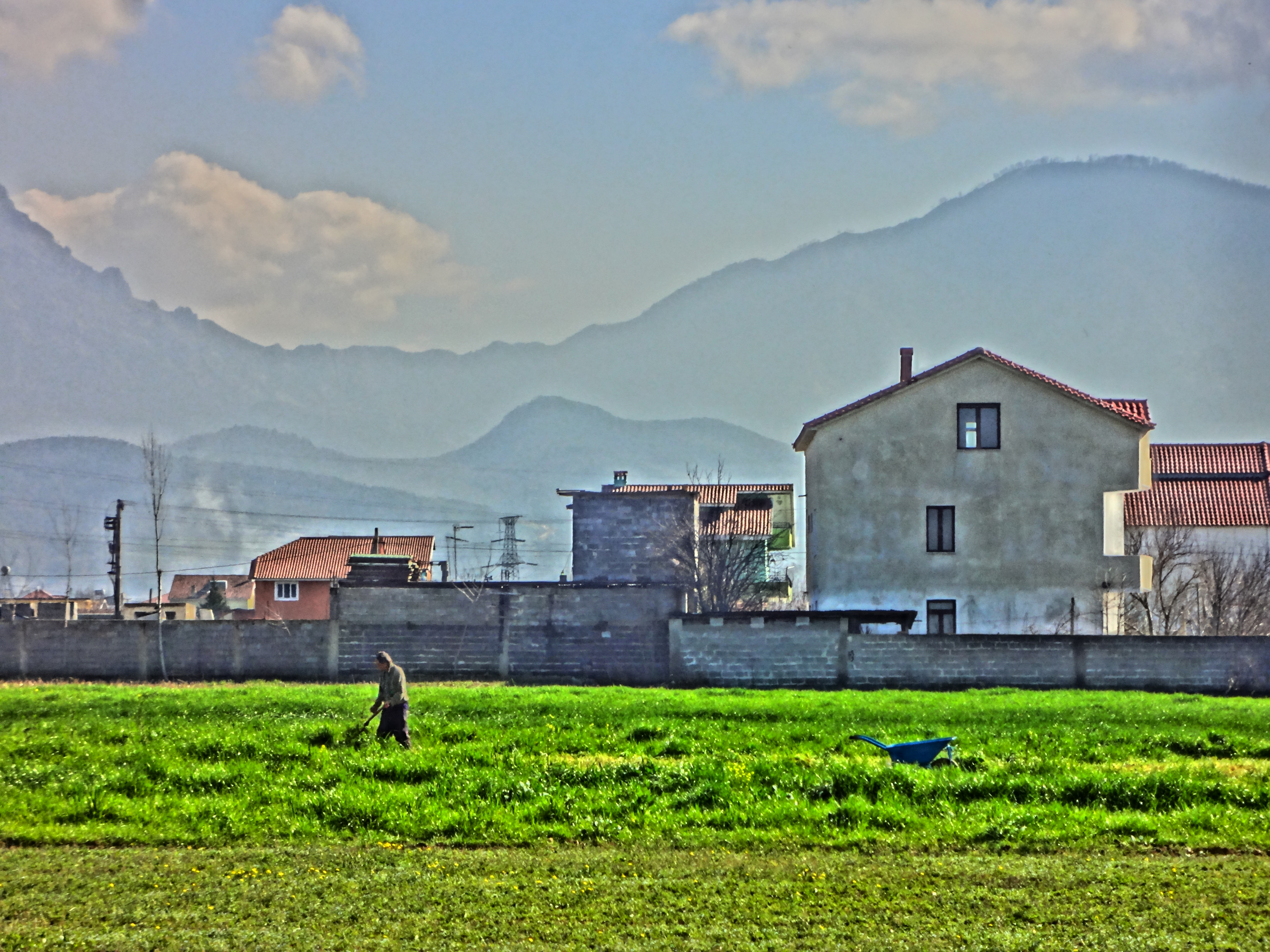
As the toil of winter gives way to the toil of spring in Albania, wild flowers are sprouting here and there around the fields.  One of the hardware purveyors in town has brought in about twenty blue wheel barrows for sale.  In the field behind our church building there is a man gathering grass with scythe and pitchfork.  Soon he will be forming this grass into a great heap for either his, or someone else’s cattle to eat throughout the year.  The solitude of some work is so very calming so as to be irreplaceable.

On my way into Fushe Kruja today I had to wait for the fugon at Zogu I Zi for about 20 minutes.  It was there that a very simple fact occurred to me.  For the equivalent of 9 cents I had gone into a bakery and gotten a roll about the size an uninstalled car radio.  I was eating the roll while standing on the sidewalk outside, looking down the street, and I felt completely at home.  I was not aware of anxiety at any level.  As people passed by, looking at me looking back at them, I knew I belonged there.  I knew comfort in an almost disorienting way.  Before today I had never felt that way about being anywhere but my family home or the city of Seattle.

Image

And so, what I realized at that time was that being somewhere, be it physically, spiritually or mentally, builds comfort into that space; a comfort which might be deceiving in many ways.  Not all things we grow accustomed to are good for us, and not all of our “safe” places are “healthy” places.  It is important to trace your footsteps back to where you started when you find yourself seeking the shelter of a “comfortable” place.

Image

I also realized that our familiarity with a place will, by its very nature, make it feel safe, comfortable, and healthy.  There is no safer place in the universe than in relationship with Jesus Christ.  There, even death has no power.  For this reason it is incumbent on church-going Christians to create an atmosphere which allows for and encourages people to explore, camp and finally settle within Christian places, community and psyche.  Every part of us should be an invitation for others to have rest, to take refuge, to be, and to be with God.    

Work as a missionary can seem slow at times.  Missionaries are like office workers in that they are expected to keep busy or appear busy even when there is little work to do.  Today I spent most of my time doing language study in Albanian, having conversations about the Albanian language with the people at the theological college, and trying to plan for the months ahead.  Immersed in a foreign culture is where I live, and so I suppose no time is wasted while waiting for projects and plans to come together.

Image

Now that I am back in Albania, I will be working under a new pastor.  Pastor Barry leads the International Church in Tirana.  Yesterday I visited his project to get a feel for where things are at and where he would like them to go.  Pastor Barry, like so many pastors, is a man of vision.  Pastor’s seem to have the ability to walk into a house, a city, or a nation and see all of the potential that that place has just waiting to be activated for the work of Jesus Christ.  The International Church of Tirana is not unique, in that the space is poorly designed for the purposes of a church.

Image

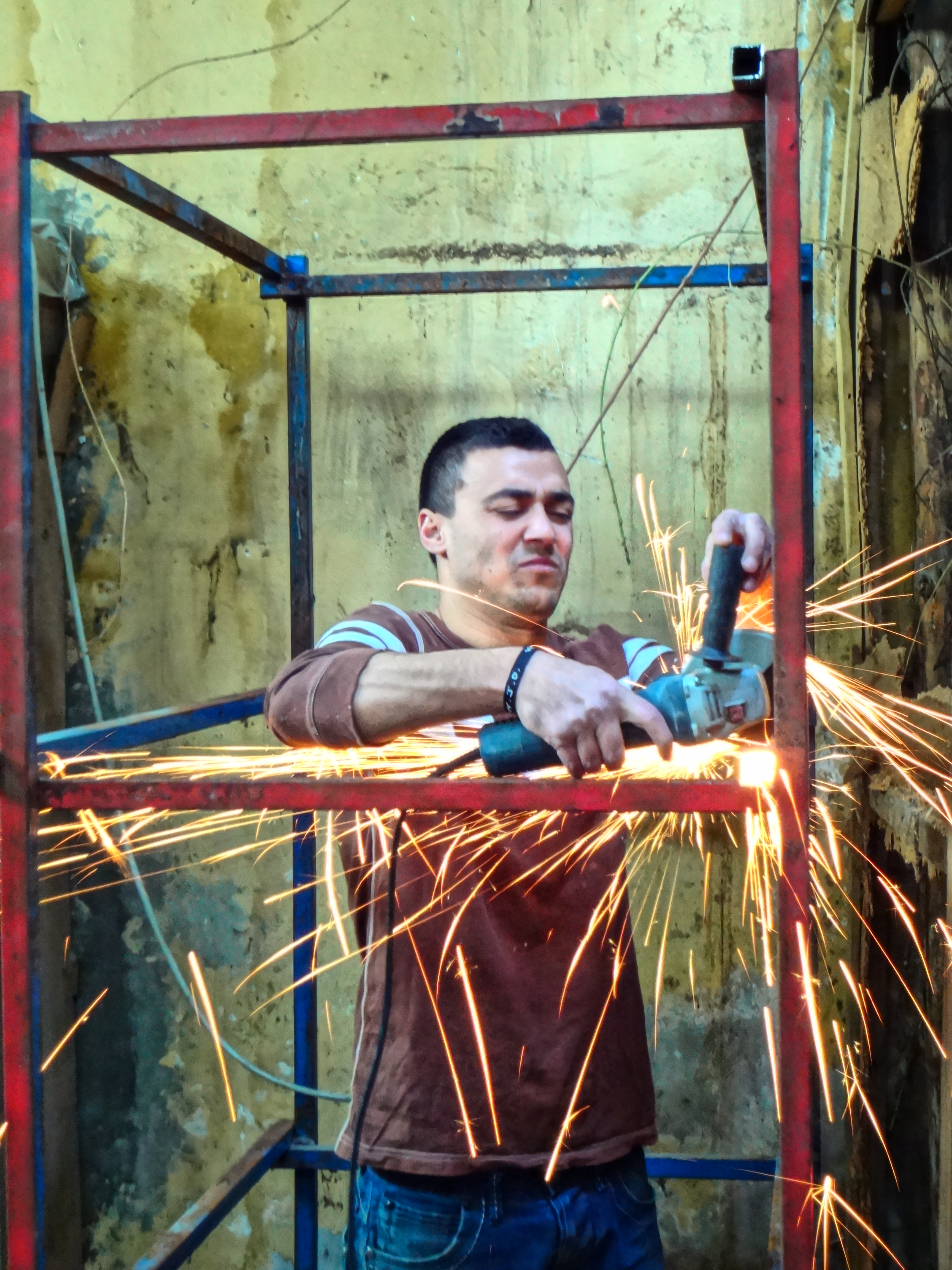
I have already met some of his team.  The two puntors working to excavate the area involved for the forming of a new concrete slab are a pair of brothers named Mosi and Mustafa.  Mustafa is the shovel man while Mosi does the wheelbarrow work.  In this nation without unions, I find it surprising just how specialized the workers on a construction site become over the course of work.  Ledi was the man running the grinder.  Everyone is paid equally, and so the division of work must be the result of a simple understanding.  Albania has its way.

Image

Image

The process of building a church abroad is unpredictable and a little delightful.  An undertaking in a foreign context will by its very nature offer a different set of challenges than one could be expected to foresee.  In construction, professionals are expected to generate schedules based on prior experience and other public information resources.  I could never have known that the finishing of the Fushe Kruja church would take so long; and we aren’t done yet.  At a pace like this, the completion of any and every phase is something to celebrate, marvel at, and spend time admiring.

Image

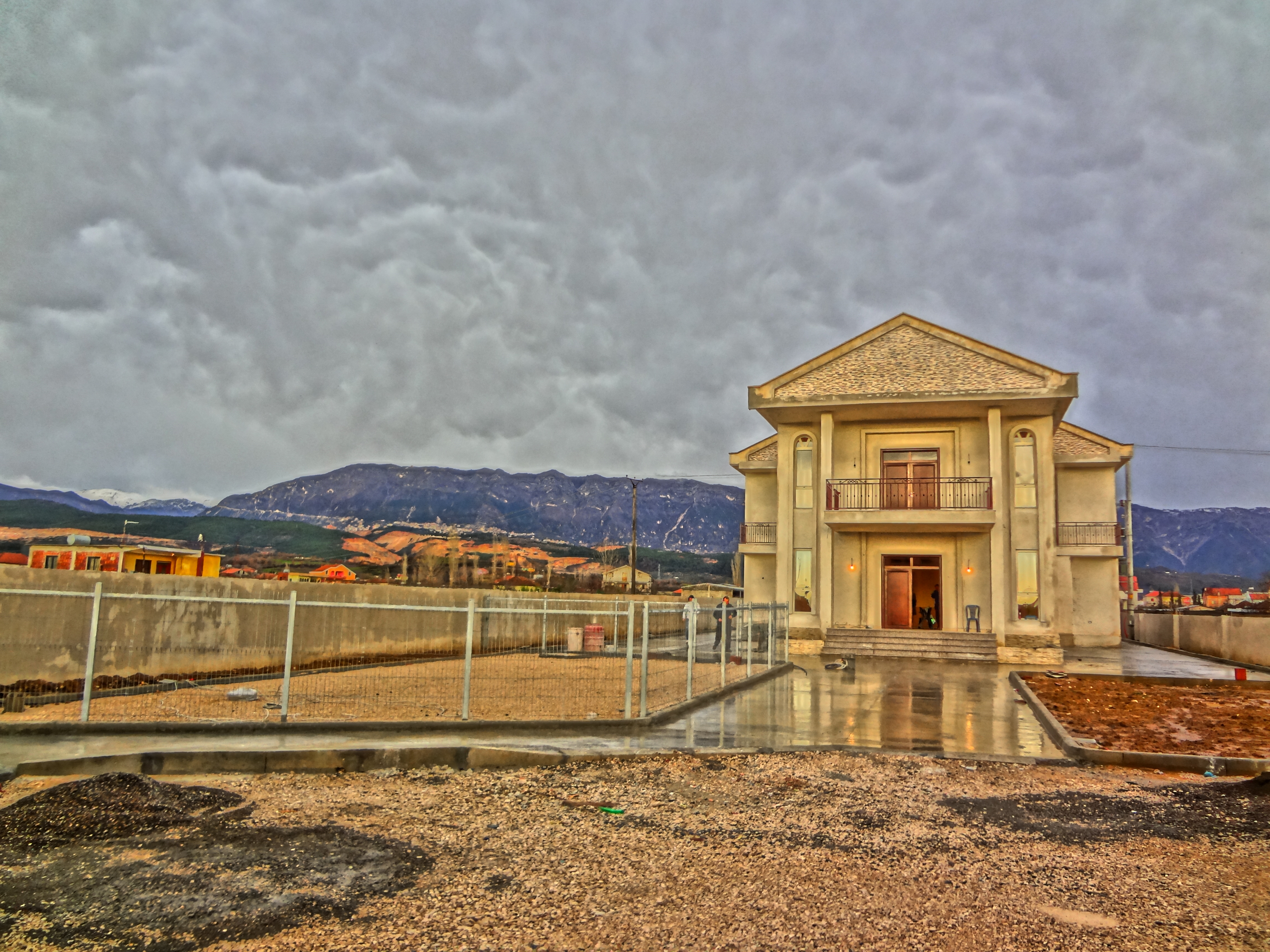
The fence around the children’s play area is completed except for the gate.  The concrete flat work is done.  Yesterday the electricians were running the wire for the exterior lighting and other systems.  Inside the walls are painted, the light fixtures are mostly mounted, the windows and doors have all been installed; there are railings in place in the stairwell and on the balconies.  One benefit to moving at a semi-hourly-siesta-like-pace is that the Plagenhoefs have had ample time to critique every finish both before and after it has been installed.  This church will be most q.c.ed in Eastern Europe.

Image

For my last two months in Albania I will be in Fushe Kruja one day a week, and I will be working at the International Church the other four days.  It would be really nice to celebrate a service in our new church before I come home.

Image

My welcome back to Albania has been truly touching.  I was greeted at the airport by my friend Kreshinik who was dressed in fine clothing as though to receive an honored guest.  On our way home from the airport we stopped to meet Visi who had brought three other people with him from Fushe Kruja: Fatima, Yli, and Miri.  We sat and enjoyed coffee at a bar-kafe on the property of a gas station.  My mind clock has adjusted so that I no longer find these types of meetings to be tediously long.  Americans can be in such a hurry all of the time.

Image

The next day I met Visi and Fatjon in Tirana.  We had coffee and updated each other about our lives and those we love as the last ten weeks have dissolved into memory and myth.  In late January, five of the people in the Fushe Kruja church were blessed with the Holy Spirit including Visi and Fatjon.  Assemblies of God doctrine teaches that the first sign of this is “speaking in tongues,” which is a blessing that God has, as yet, withheld from me.  The Church here is getting stronger and its participants grow more committed each day.

Image

We met Pastor Alban and his wife Leda near a children’s fun park.  They look healthy and happy.  Alban must be encouraged by the ways in which his disciples are maturing.  The Fushe Kruja Church is a much stronger Body than it was a year ago.  I celebrate God’s work in this place.

Image

Image

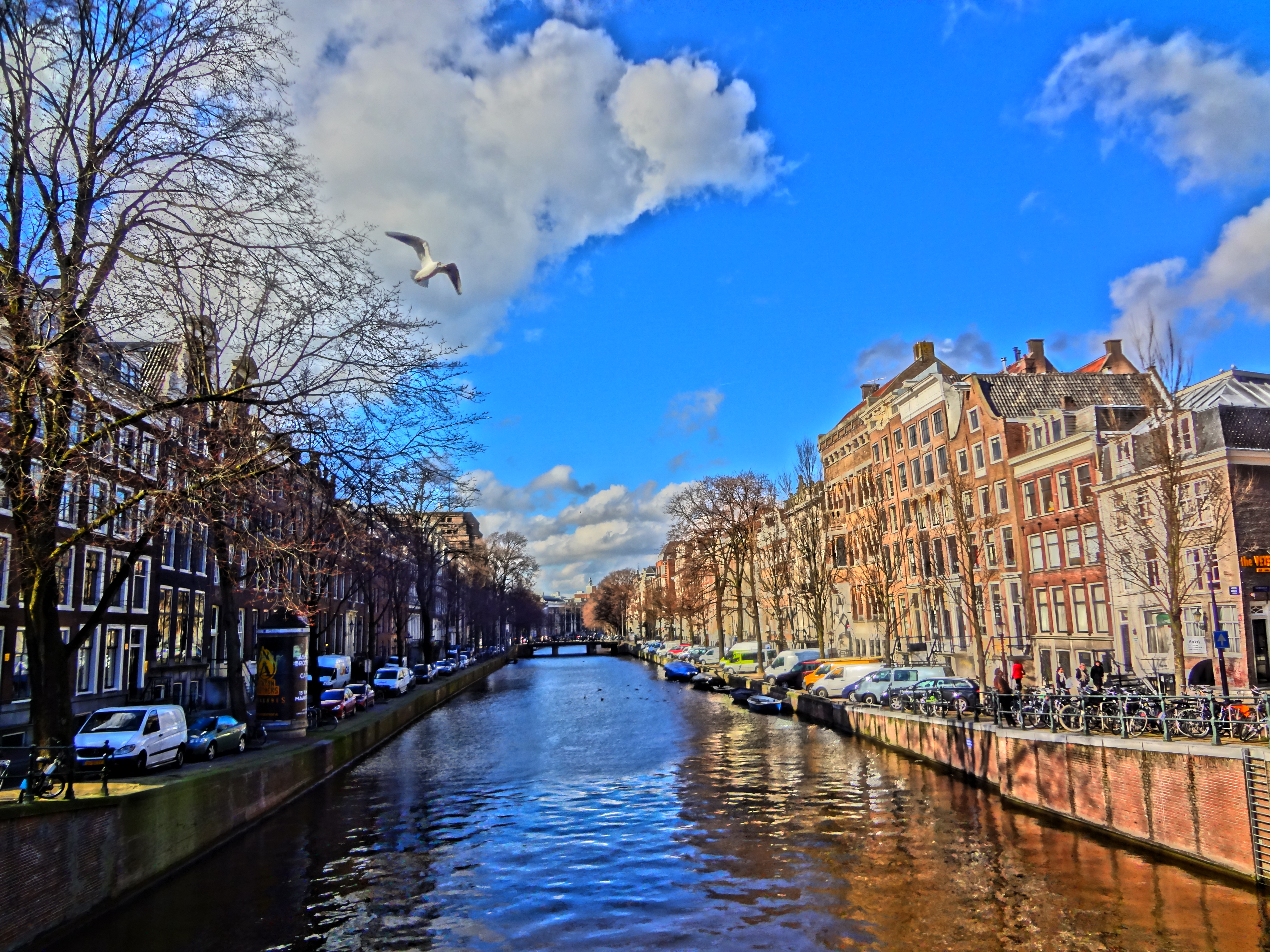
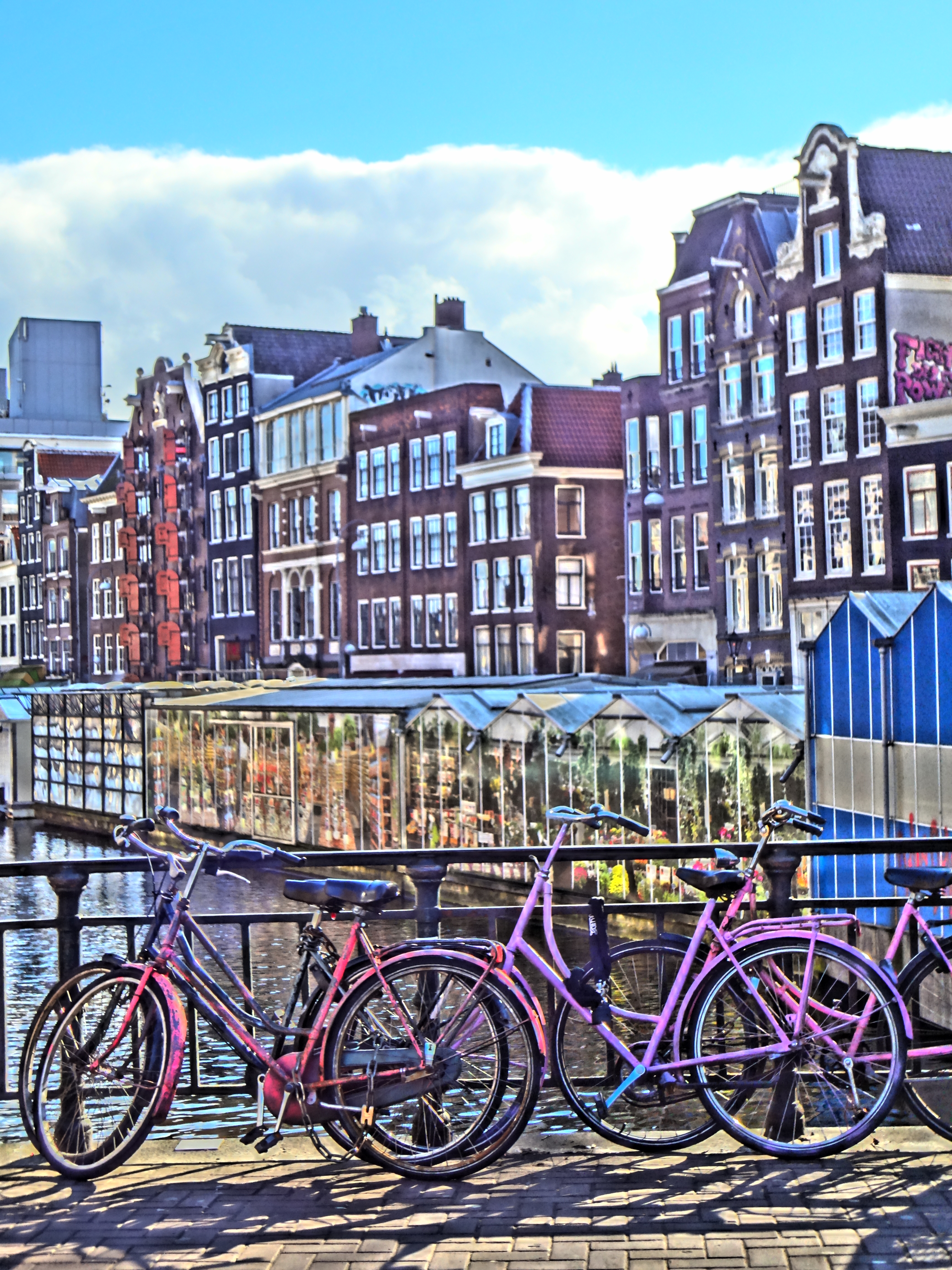
Having a long layover in any major European city is a fine way to get a sense for the place.  I had the opportunity to see London this way with my Uncle Lynn in 2004.  Like having a single bite of the Crab Benedict from Pesos in Lower Queen Anne; it gives the flavor in lieu of the full dining experience of these epic places.  Amsterdam defies description in many ways because it is unlike any city I have ever been to.  It is coastal, yet not overly industrial, highly populated without feeling crowded, homogeneous in tolerance without losing or encouraging diversity, the people are productive without seeming rushed or overly stressed.  However you are or would like to be, that is truly who you are invited to be in Amsterdam.

Image

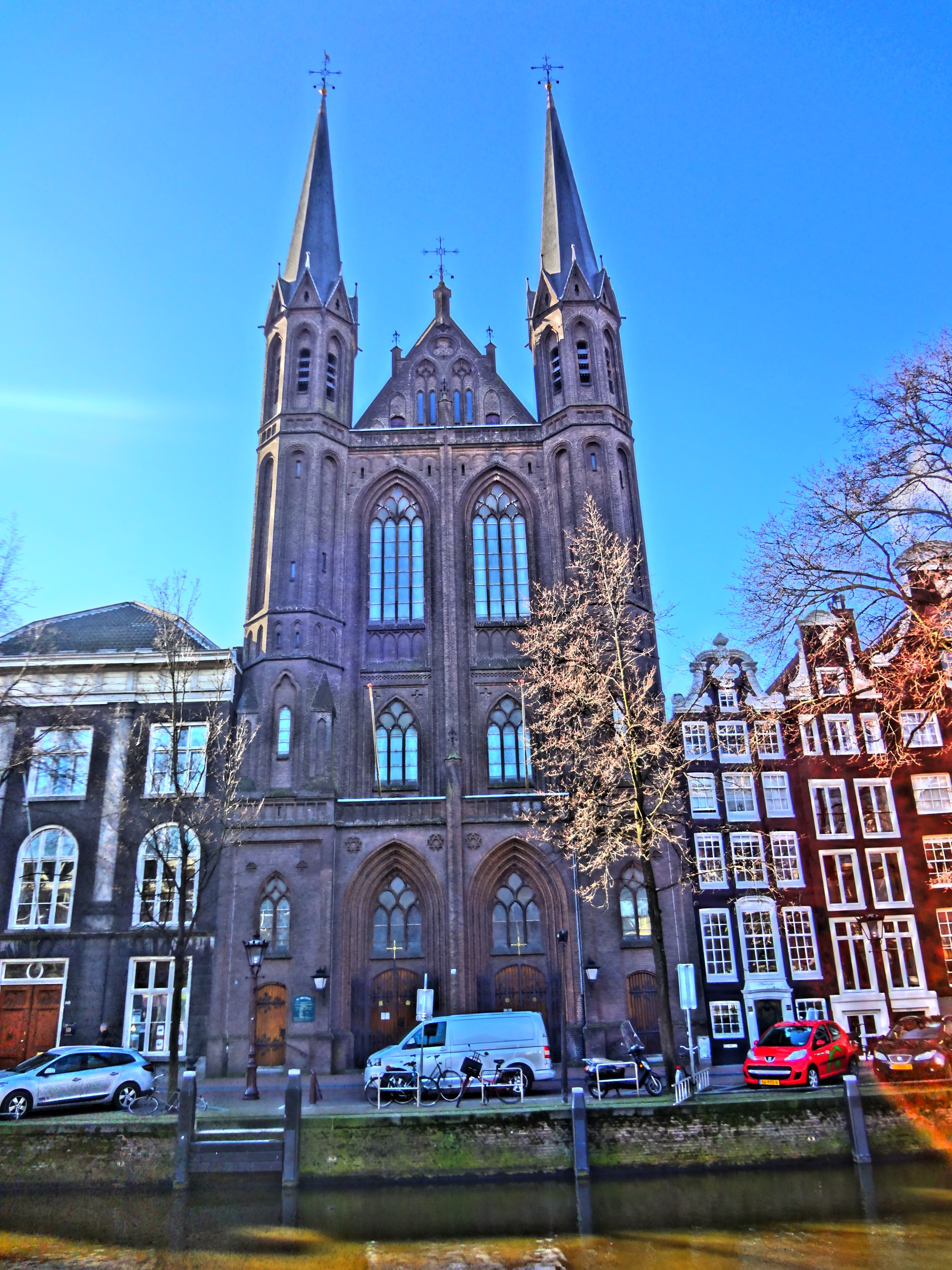
Many of my preconceptions about Europe must have come from my familiarity growing up with Disney cartoons.  The cartoonists of those American treasures of art must have been inspired by cities like this one.  Every street I saw, from any vantage point, would have made a fine image for a postcard.  Amsterdam’s efficient and beautifully crafted city-center spills directly into neighborhoods built along canals where the row houses are reminiscent of the most charming dwellings in San Francisco, and the D.C. neighborhood of Georgetown.  The light poles and hand-rails on bridges, fence posts and city trees are all crowded with bicycles.  While walking I found myself most concerned with the warning chi-ching of a cyclist’s bell.

Image

The air was clean enough to breathe.

Image

Amsterdam was disorienting for me, a person who likes to capture what he can with my little camera.  The problem was that I wanted to capture all of it, like a wedding photographer, which made it difficult to know which places to shoot and which to simply walk past.

Image

Although I must have appeared a tourist, I wanted the residents to think I had more savvy than to be walking around ogling my black Sony rectangle all of the time.  I wanted to belong.  Like New York City, Amsterdam has the power to make you want to “be a part of it.”  Healthy, clean and intelligent; that is what I found Amsterdam to be.

Image