Image

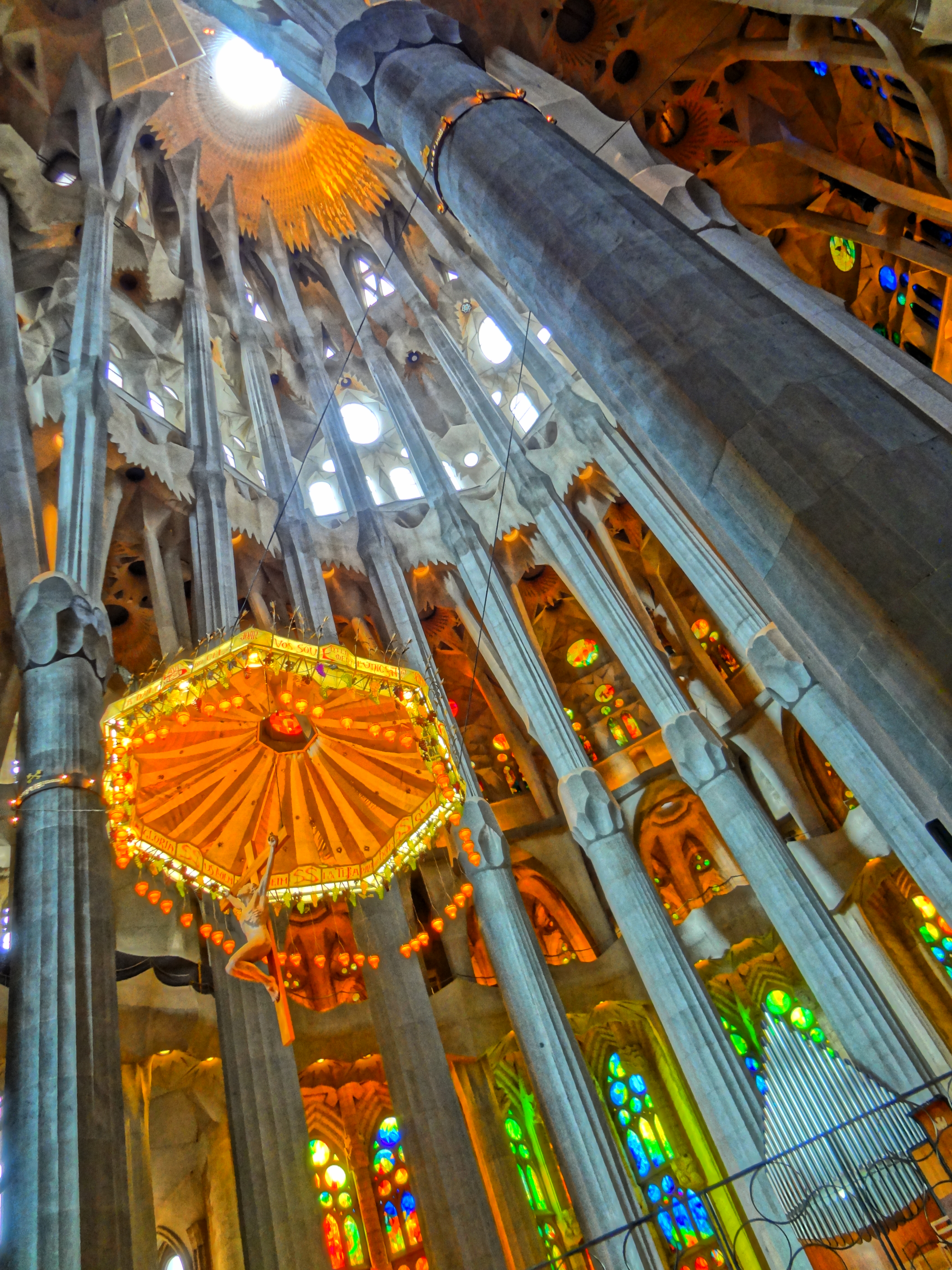
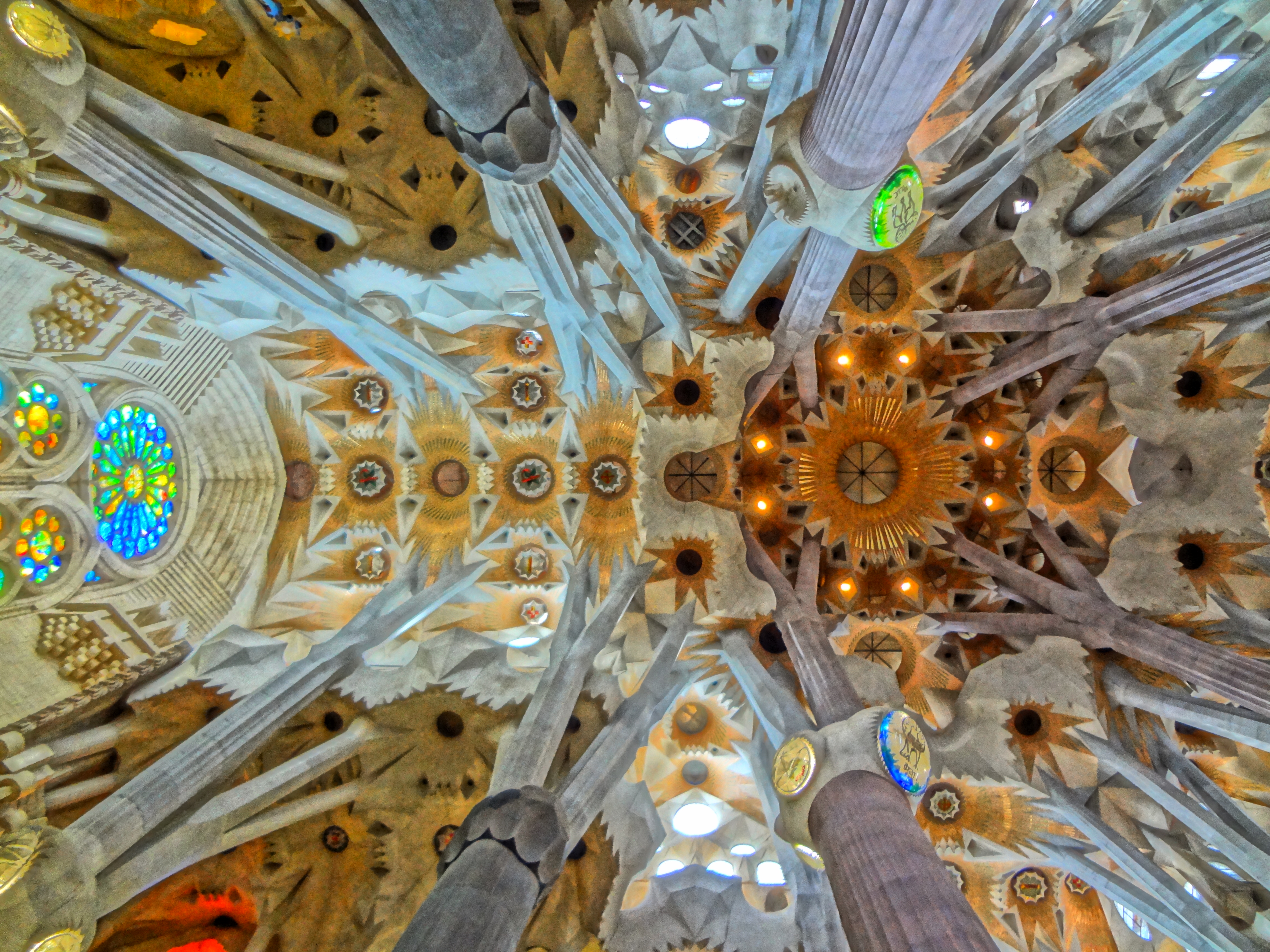
After touring La Sagrada Familia this morning I had to then come up with a way to describe it.  Experiencing Gaudi’s unfinished masterpiece in person is as complex as experiencing a mouthful of cane sugar.  How would one describe that experience?  Sweet, or very sweet?  We use the word sweet to say that something is sugar-like, or has characteristics of sugar, or causes one to think of sugar when they try it.  La Sagrada Familia is like this; as engrossing and overwhelming as sugar to the tongue of a child.  It is as beyond description as a rain forest or another miracle of nature.
Image

Outside the cathedral, people stand in line for hours, just to get inside the gate.  A mass of people, ten persons deep in places, surround the building like a mob of teenage girls hoping to get a glimpse of the Fab Four.  Cameras at the ready as they pass through the massive doors, tourists find that they are not ready, not prepared for the awesome, towering, spires which lead up like a granite forest of old-growth fir trees.  Humbled by what has been accomplished, visitors walk slowly, carefully; like barefoot beachcombers over coral shallows.  All the while their faces are turned upward; fingers on the shutter trigger.
Image

Walking through La Sagrada Familia is like scuba diving to 70 feet in the Gulf of Mexico when the sun has illumined every feature for 200 feet in all directions.  If you have not experienced it, then you have not experienced it, and no description will suffice.

Image

Image

I woke up this morning with plans in mind to see some more sights in Warsaw before my flight.  I have a difficult time getting out of my room on the mornings of departure.  I must think that as soon as I leave I will have to turn back to retrieve a forgotten item.  This morning I did manage to get three post cards in the mail to Arizona.  If I were five years old, I would want a post card from post-Soviet era Warsaw.

Image

Warsaw is unique for a number of reasons.  It have come to think of it like the legendary Phoenix.  Warsaw was demolished in the tradition of Capua, Carthage, and Numantia.  Warsaw and its inhabitants were made an example of by both Hitler and Stalin simultaneously.  The German fuhrer  lent every available resource to Warsaw’s destruction, and the Russian premier blocked all aid to the Poles from the Allied side.  The results were terrible and horrifying.

Image

Warsaw had 1.3 million inhabitants before the war; a population about the size of modern day Dallas, Texas.  There were fewer than 175,000 inhabitants by the end of the war.  Today there are over 1.7 million people there.  It is an amazing testament to the will of the human creature to thrive where it is naturally difficult to do so.  Warsaw might have been a city which perished altogether from the wounds it suffered in the Second War.  But, instead it is this warm, friendly, growing metropolis on the Vistula River.

Image

I still do not have a grasp on what the Holocaust means, and neither does anyone, I don’t think.  After visiting the Warsaw Uprising Museum yesterday, I have concluded that understanding an event like the Holocaust is beyond me as a human.  In public school in the States we study only a few subjects at length; the Holocaust being one of them.  I thought I understood.  If I close my eyes I can imagine one of my grade school classes on picture day; 30 kids lined up in three rows next to an exhausted teacher, squinting into the sun.  Can I imagine that all 30 have been murdered along with all of the other children in that school?  And can I imagine that happening hundreds of times?  Can I imagine the Jashari massacre of Kosovo taking place thousands of times in a six year timespan?

Image

No.

Image

After sitting for a short time in the square in Old Town yesterday, I was feeling restless.  I know there is more to see here than I can appreciate.  I have to remind myself constantly that God’s purposes are often hidden to us for many years before we come to understand the meaning behind this moment or that moment.  I exited the square and took a staircase heading down.  After reaching the street below, I was among a tour group of highschool-aged kids, so down another staircase I went.  At the bottom were some old apartments and a field of grass.  I can remember saying “Alright God, what am I doing here?  I don’t want to be here, not at all.”

Image

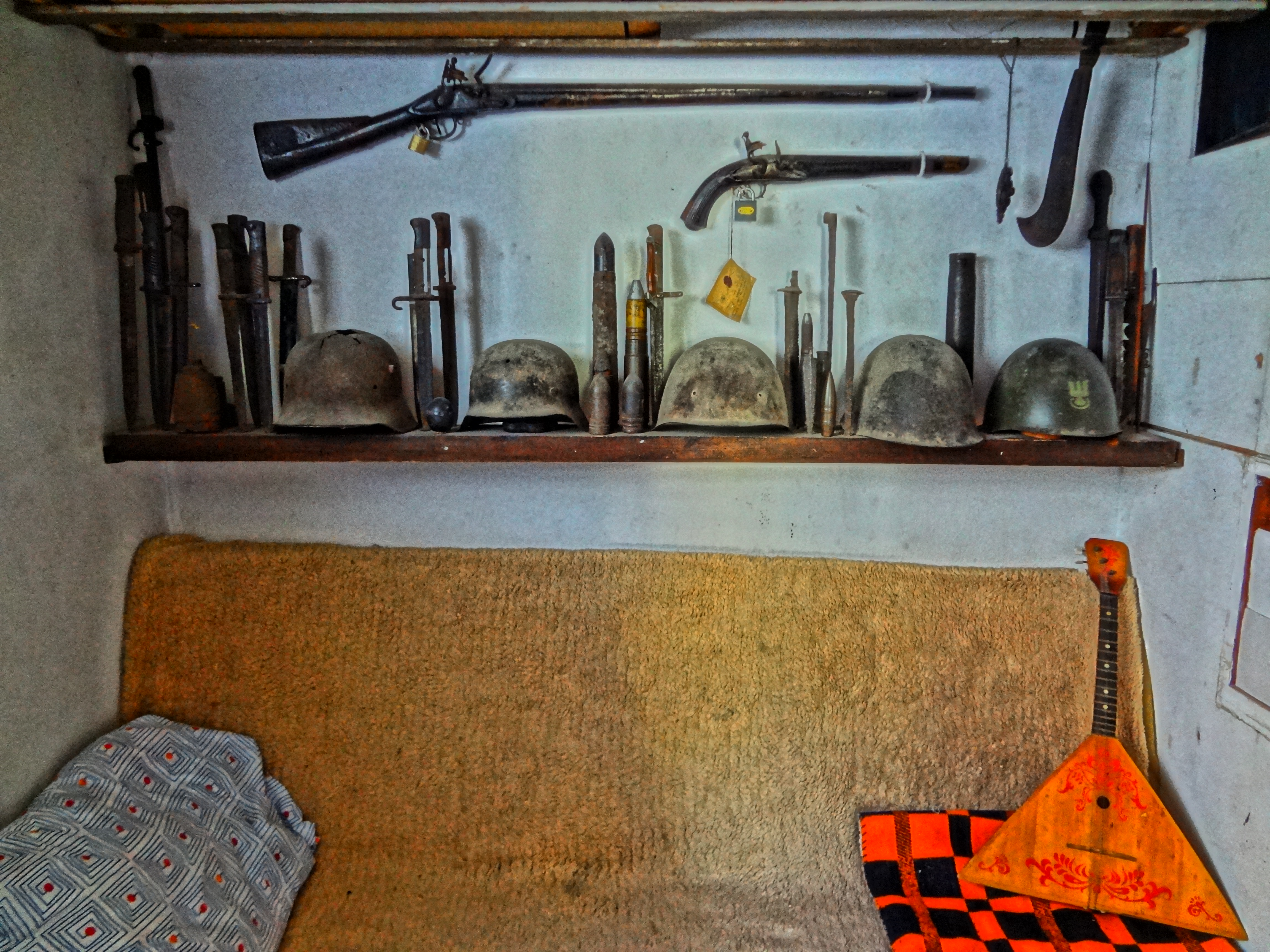
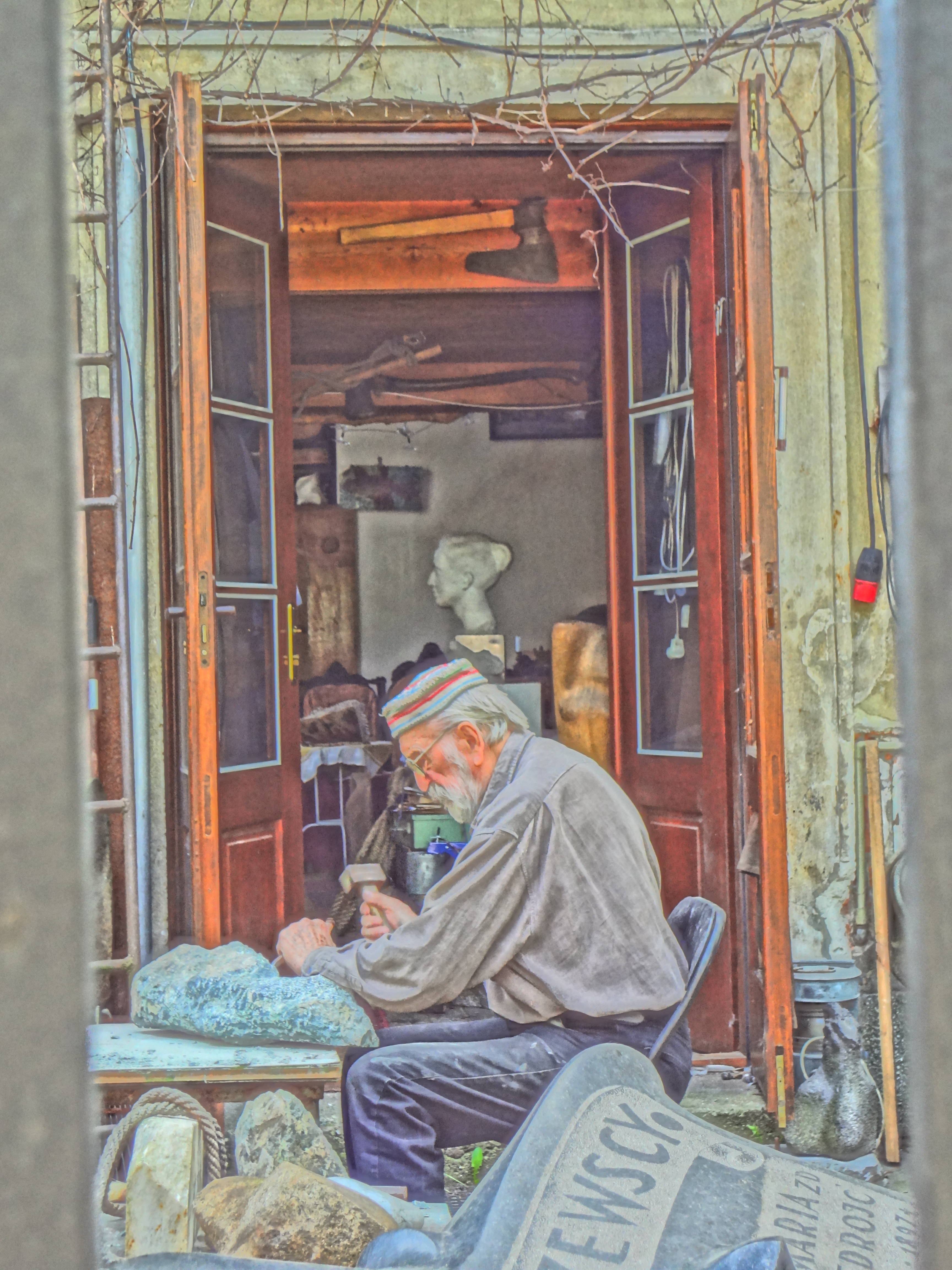
Bits of hand-carved marble like the markers of an unkempt cemetery lie scattered about a path near-by.  And I soon could see and old, white-bearded man breaking bread apart for birds on a one meter tall marble block.  The gate to a house, his house I presumed, was open a few feet away and there were signs about museum and heritage up on one of the columns outside.  I stood at the entrance, looking back with camera in hand to see if he would stop me, and then I found myself in a bit of a craftsman’s paradise.

Image

By now the man had taken notice of me and seemed happy for some company.  He squinted and creased his face at my explanation of where I was from until, finaly he said “Amerika.”  “America,” I repeated.  We were inside the house now, I had been drawn in by a collection of axes over the doorway.  He handed me a black-and-white booklet from an art show with the name Zbigniew Maleszewski on it.  “Me,” he said pointing to himself.  “Take it,” he handed me the booklet.  “Thank you,” I said, “Merci,” I knew he spoke French, “Dziękuję,” and of course Polish.

Image

We spoke a bit more and I gestured, indicating that I might explore more of his domicile.  He gestured in kind and I found myself where John Alan Ross and Norman Wayne Elder meet; the quarters of an artistic anthropologist who collects interesting things and is, himself, quite interesting.  I loved it, and instantly I loved the man.

Image

Image

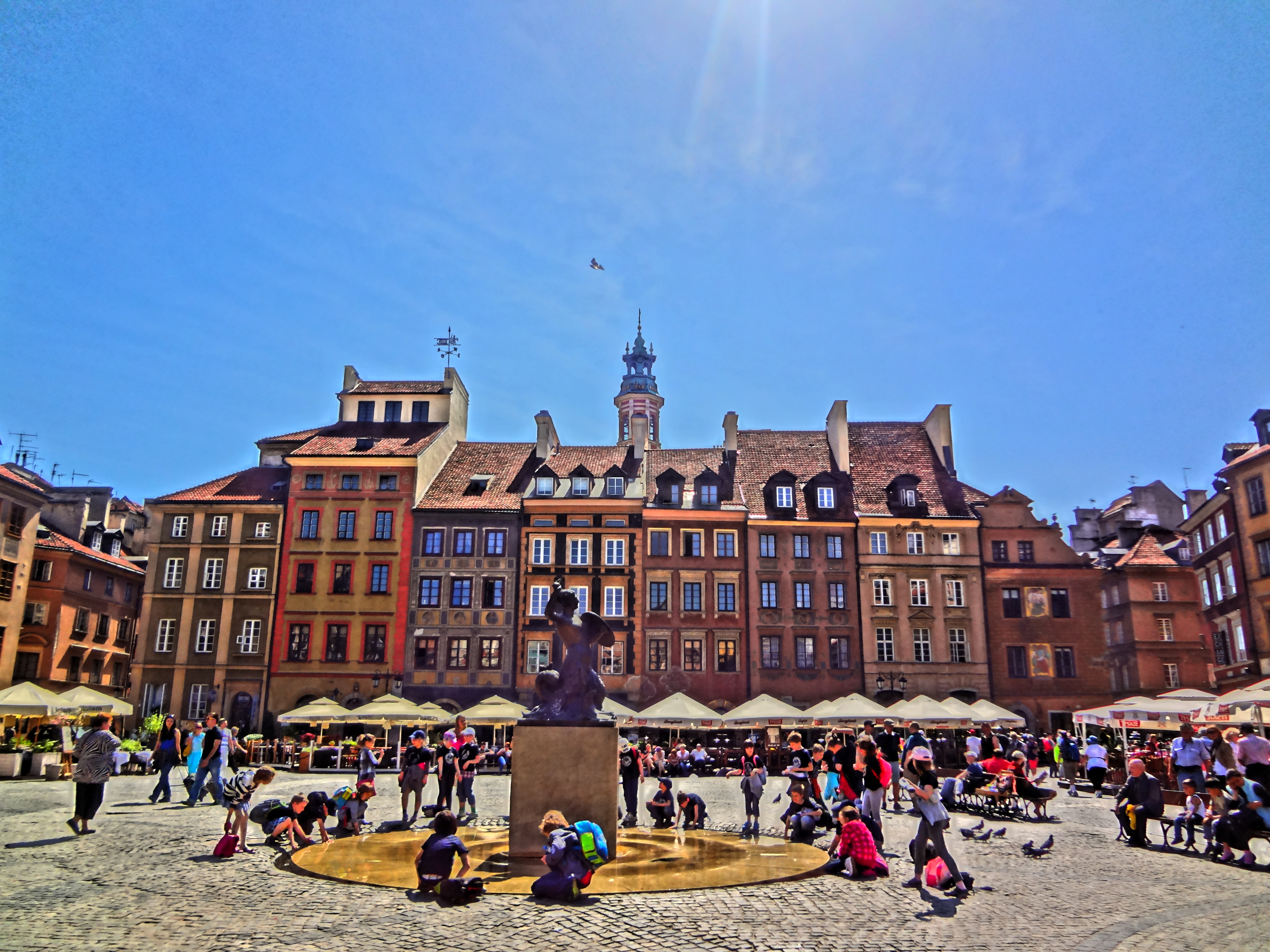
From photographs and old postcards

They re-designed Old Town

Resurrected a square the Nazi

Meat-grinder had turned to ashes

Today my dear Adolf Hitler

May it bother you to know

Image

That children even Jewish children

Wash in the wake

Of the bare-chested mermaid

With hollers of delight

As print-makers yes Jewish print-makers

Idle near their wares

Awaiting the delight of tourists

Image

Musicians tatooed Jewish musicians

Key and sing delighting old women

Sunlight moves the breeze within

Four walls of buildings

Finished without finish

Like grandmothers in black

Up to fuss over a future

Meant for the joy of others

Image


Joshua Hughes

9 . May . 2013

Image

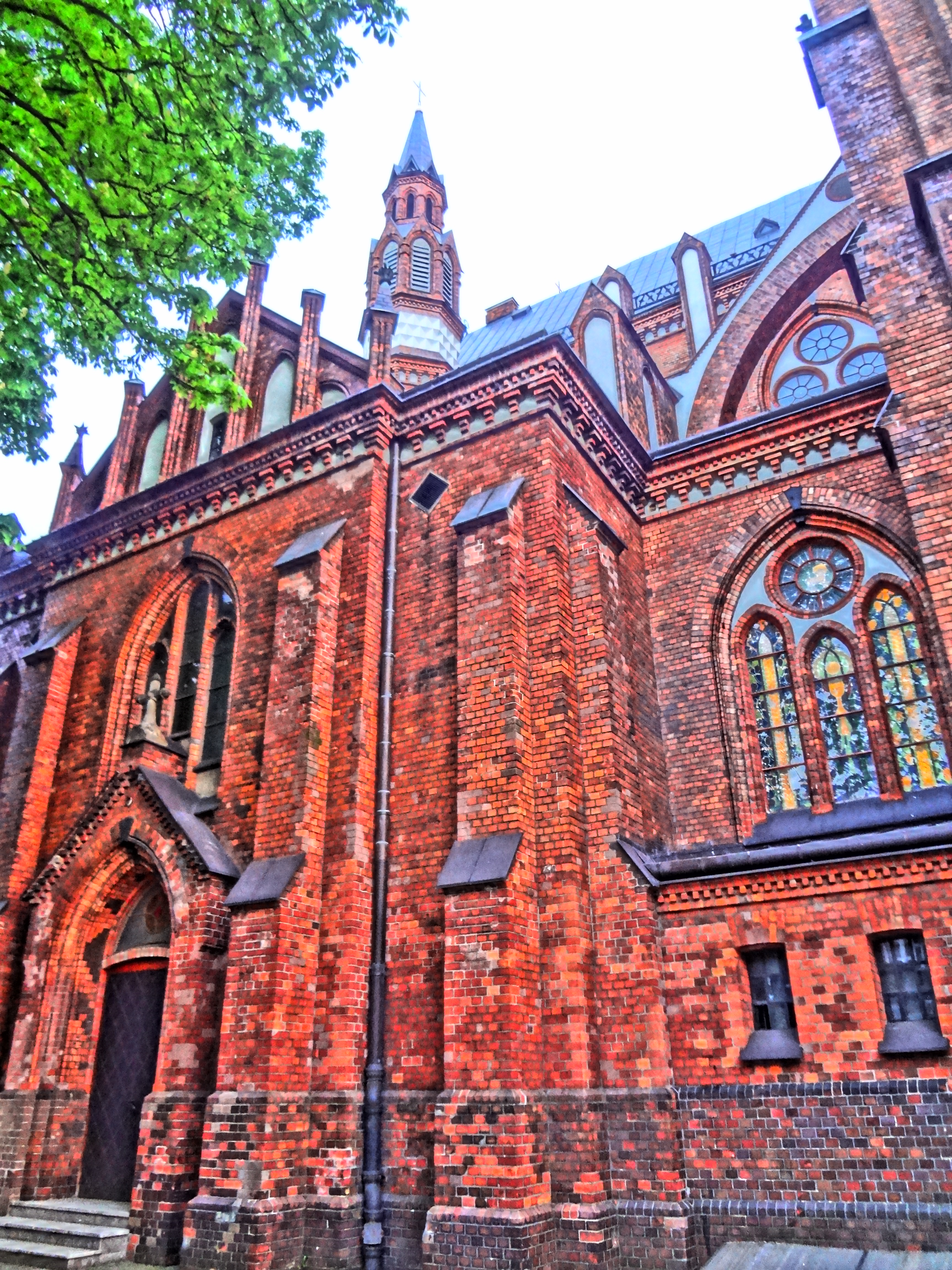
I am staying at a room in the Praha (Prague) area of Warszawa (Warsaw), Poland.  After finding the place and taking a minute to have a sandwich and some coffee, I decided to see what sights were nearby.  Two blocks from my flat is a collection of bronze statues who form a silent band of joyful artists.  The banjo player caught my eye; my father played banjo as a young man.  Just beyond the collection of delightfully-foolish romantics was a grand brick structure, and I am ever drawn to those.

Image

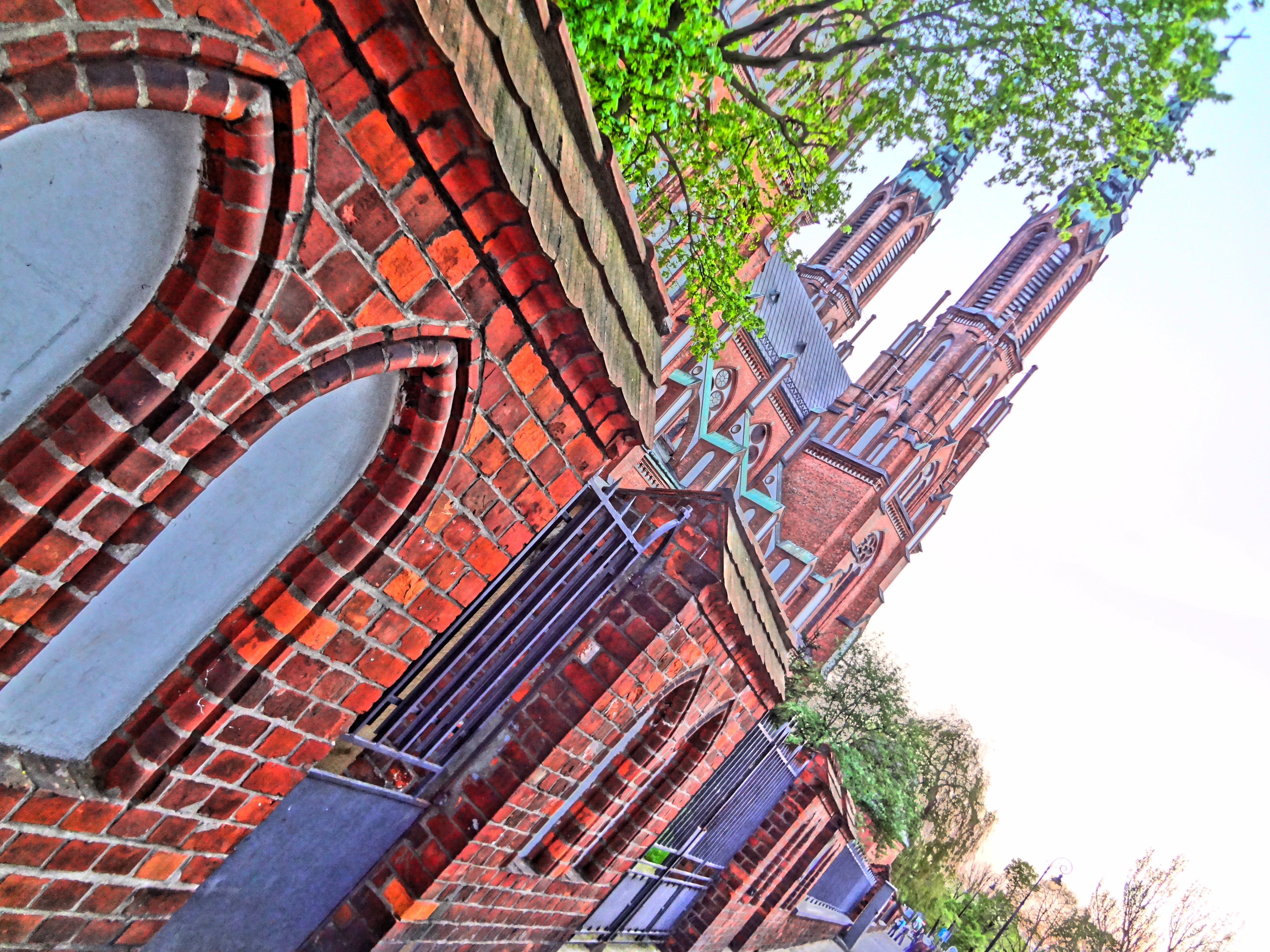
St. Florian’s Cathedral is also known as the Cathedral of Saint Micheal the Archangel and Saint Florian the Martyr.  How an angel can be considered a saint is a question I am sure has been the source of a few church schisms, but I am not a Catholic and so my education on the matter is more limited than it might be.  All at once grand, and quiet, solemn yet fastidiously clean and bright; the Cathedral was my partner in conversation for exactly 90 photographs.

Image

Churches are road signs for the Church, the Body of Christ.  Where the State is not involved in the collection of funding for a structure, cathedrals like this one are a symbol of sacrifice, perseverance, and the Body’s commitment to the thriving of a city community.  The cathedral was completed in 1972 because the church which stood in place before it was destroyed for having been a hiding place for Jewish people during the Second War.  Is that not a beautiful idea; a Church Body which is willing to sacrifice all of its sacred things to protect the lives of the followers of another Faith.

Image

The church building is a sanctuary, but not because the building is protected by special codes or laws.  The church building is a sanctuary because its walls stand between the executioner and the bullets he is loosing against those he has cast lot to murder.  Can we, the American Church remember this always?  Can we be walls of protection, sanctuary, and sacrifice?  Yes, I think.  What do you think?

Image

Image

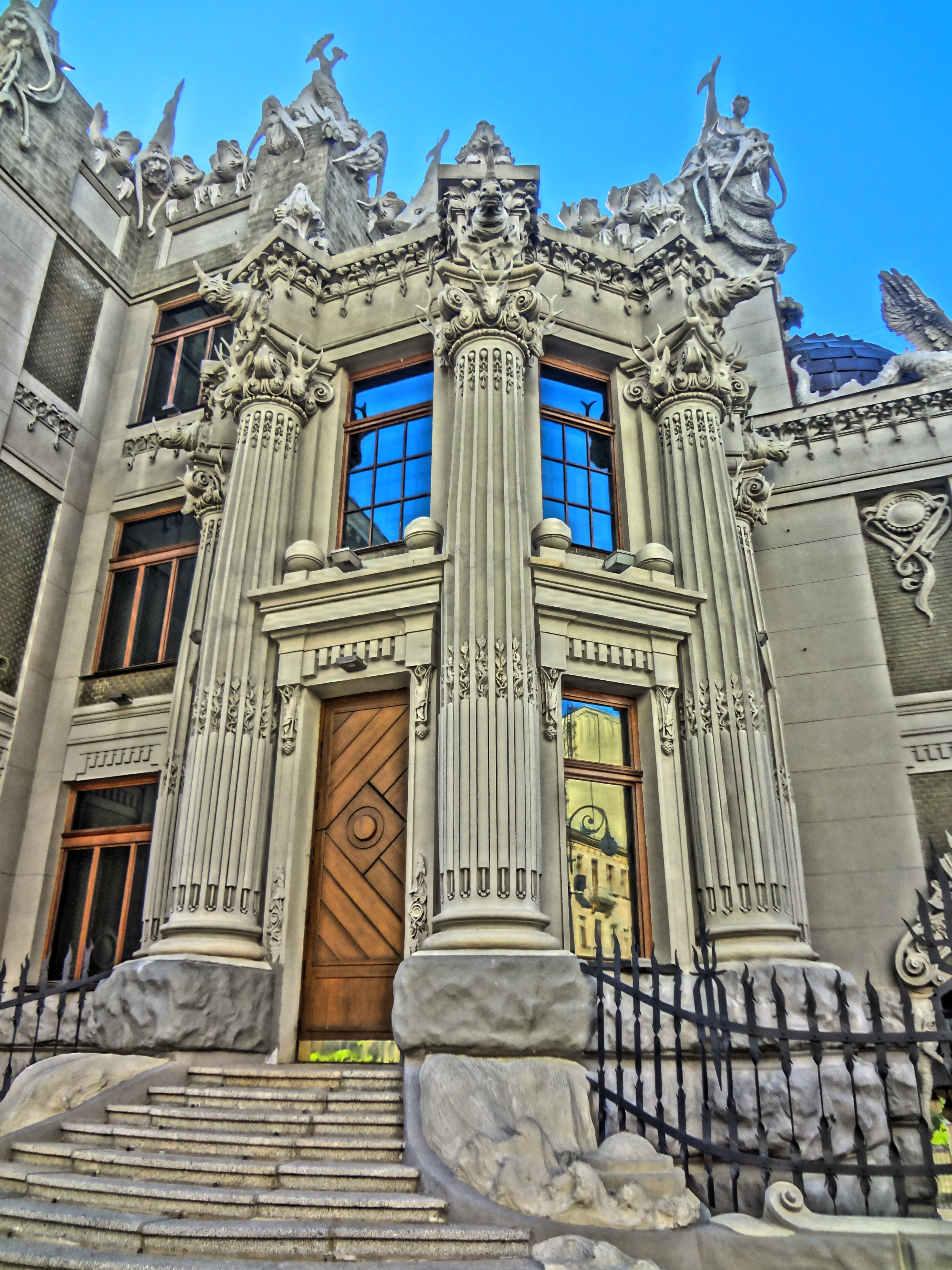
This morning I walked to find the Golden Gate, one of Kiev’s historic treasures.  While it is gigantic, and by all means a very large structure, I did not find it to be nearly as interesting as the city’s other icons.  It is big.  Its a big gate.  Do not be decieved, this is a big gate.  But, on a scale of one to ten, I would say “skip it.”

Image

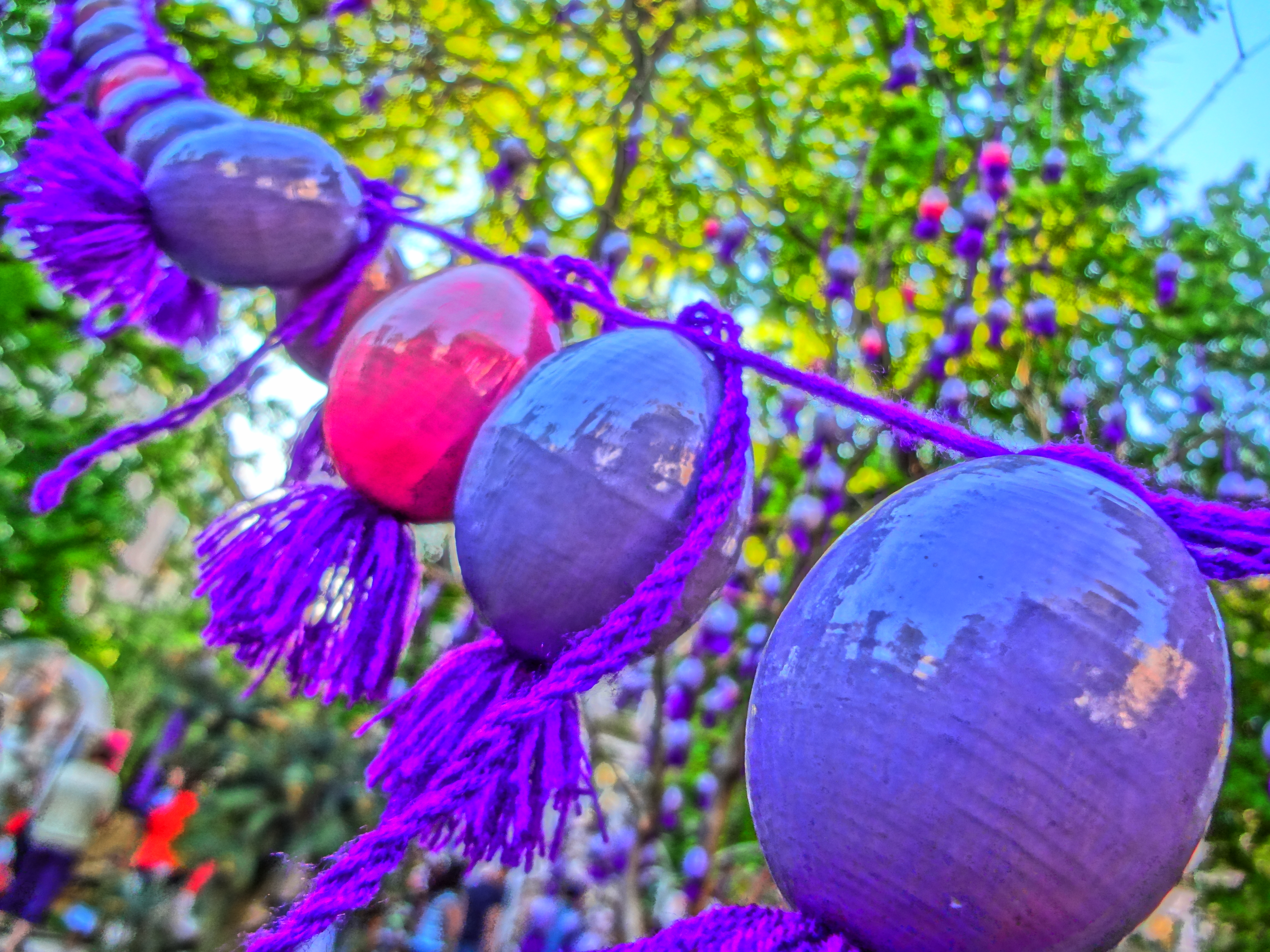
Later in the day I sat for awhile in Mariinsky Park and wondered at why I am here in Ukraine, and what purpose I am serving by all of the travels I hope to complete in the coming weeks.  I returned to my hostel the way I had come, passing the House With the Chimeras as I did.  Just beyond the House I saw a group of people climbing the stairs which led from another public space.  The indigenous people always know where to find food and so I decided to see where they were coming from.  At the bottom of the stairs was an exhibit of Pysanka.  Festivals bless an entire space.
Image

Easter eggs are more important to the Easter tradition here in Ukraine than they are in the States.  I can remember dying eggs with my sister, my mother and my grandmother as a child, and it seemed to me like quite a process at the time.  It may have taken the better part of an afternoon to produce a dozen to 24 fragile beauties; some two toned, some even three.  If you dip an egg two-thirds of the way in red and then two thirds the other way in blue, the middle third will be a runny, sticky mess.

Image

In the park called Ivana Franka Square there were children playing and adults taking photographs among thousands of eggs; hung with ribbon, hung with string, strung together, clustered by color or individually.  Each egg was the result of anywhere from one to ten hours of diligent design and vigilant, focused care.  I do not know why, but each egg had a person’s name and telephone number attached to it.  Perhaps the eggs are for sale or too precious to be donated to an exhibit like this one.  When brought together and displayed in the summer sun, these eggs were a treat for the soul.

Image

It was the kind of thing that only a human would enjoy.  People who take great care in small things, take care in large things also.  The Ukrainians are some of the most disciplined and careful people I have visited.  It is a privilege to be here.

Image

Image

I may have mentioned this a year ago, when I was posting from Bizerte, Tunisia for Orthodox Easter. The Christian Church formally divided into two distinct bodies in 1054 in what has become known as “The Great Schism.”  Since that time, Catholic Easter and Orthodox Easter fall on the same Sunday only once every four years.  This year there was a five week delay from the Easter of the West the Easter of the East.  Today “Christ is Risen” is on the lips of every citizen of Ukraine.

Image

Here in Kiev there are celebrations in the form of a special mass in the churches.  Many women are wearing head scarves and one person in each family can be seen carrying a basket full of food, with eggs died red resting in the bottom.  At the service, Easter mass is sung by however many priests are present.  The front of the church has an alcove which contains objects of art, relics, and other sacred things.  The priests are there, performing their chants and other rituals; like the burning of incense.

Image

In the audience, among the crowd of standing observers, it is like being a witness to the communing of others with God.  The priests are examples, but not examples to be emulated in this way.  The group of regular humans are eventually addressed by one of the bearded men, but the ceremony seems mostly to be about the paying of respect.  The people may come for 30 seconds, or for three hours.

Image

Parishoners come to pray, to light candles, to stand in their own silence as the singing fills the air all around.  It is one of the most quiet places I have found.  Like when you are swimming; there is noise everywhere from the water rushing in and out of your ears, but you can still become totally focused on breathing, and the pace of your own heart-beat.

Image

When the service had concluded today, the priests walked in a procession to another building to be alone together.  We do not have a monastic tradition in the Western church, and I do not understand it.

Image

Image

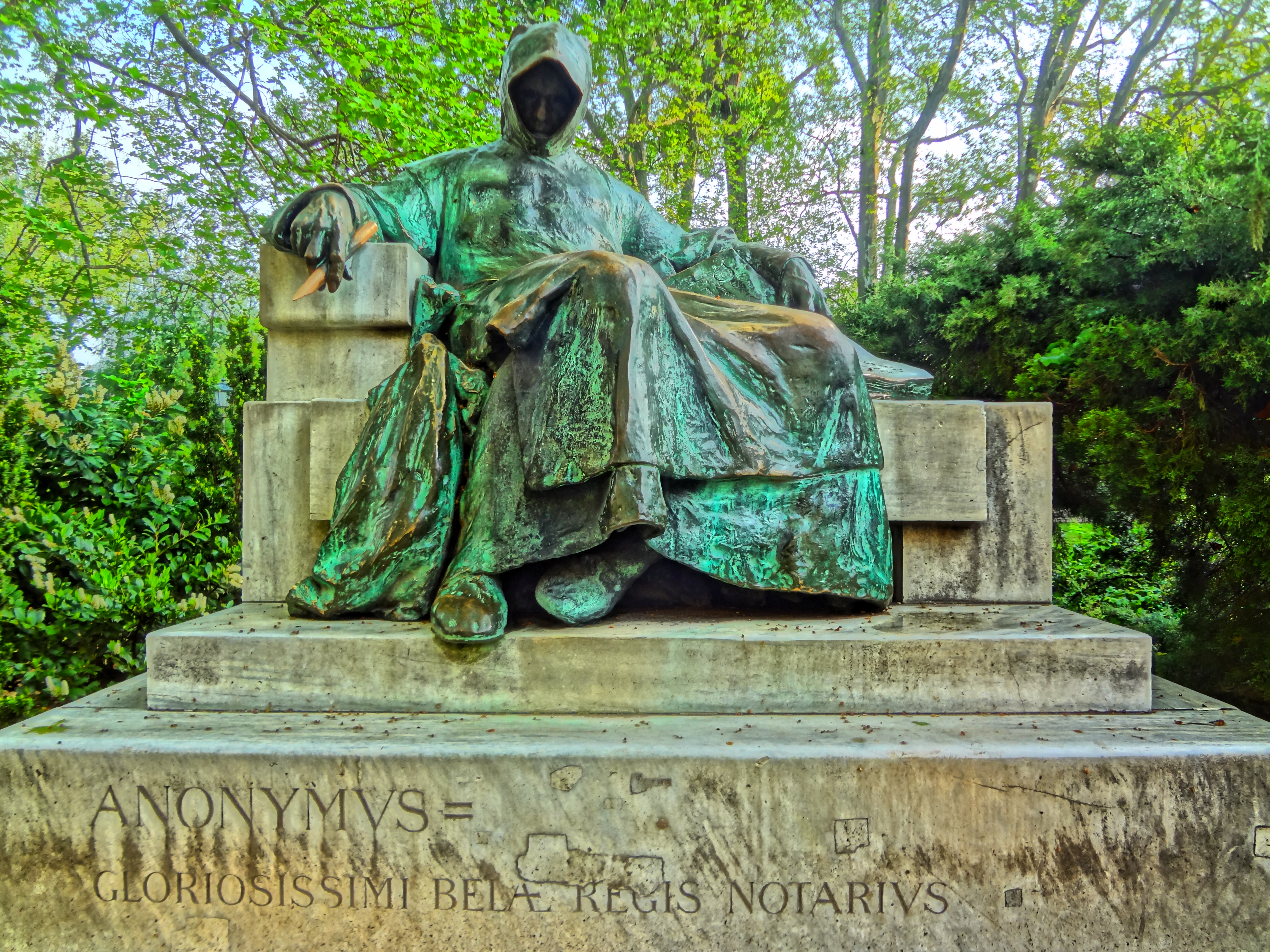
Yesterday I had the opportunity, the privilege to tour more of Budapest.  In the northeast corner of the city is the Városliget; a large park, roughly 12 x 8 city blocks in total area.  I do not mean to belabor the fact that Budapest is a traveler’s/photographer’s ideal; but, I would rate Budapest with Istanbul, Rome and New York City for places one should take the time to see before they die.  These four cities are magnificent, inspiring, dynamic, and most importantly: accessible.  

Image

The residents of great cities understand the invaluable nature of the living treasures they inhabit, and are not so selfish as to keep them sequestered for themselves.  A corporate willingness to share the things they love has been instilled in the people of the Hungarian capital, and that is no small thing.  The Városliget was overcrowded yesterday, and so I decided to be the first one there this morning.  Humans are rarely a complement to the art pieces one is trying to capture in a photograph.  I am a jealous traveler.  I like to have venues to myself whenever possible.  

Image

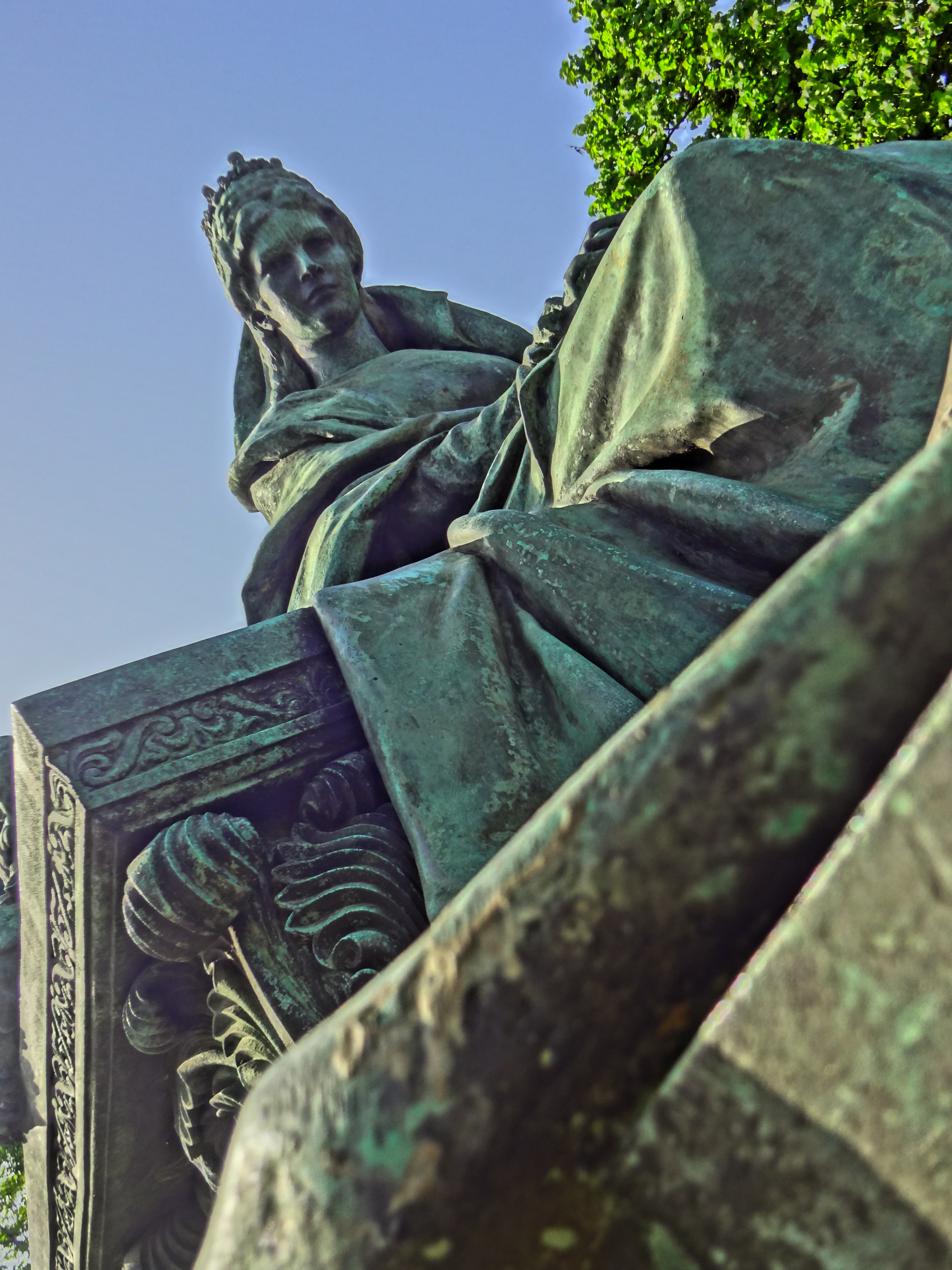
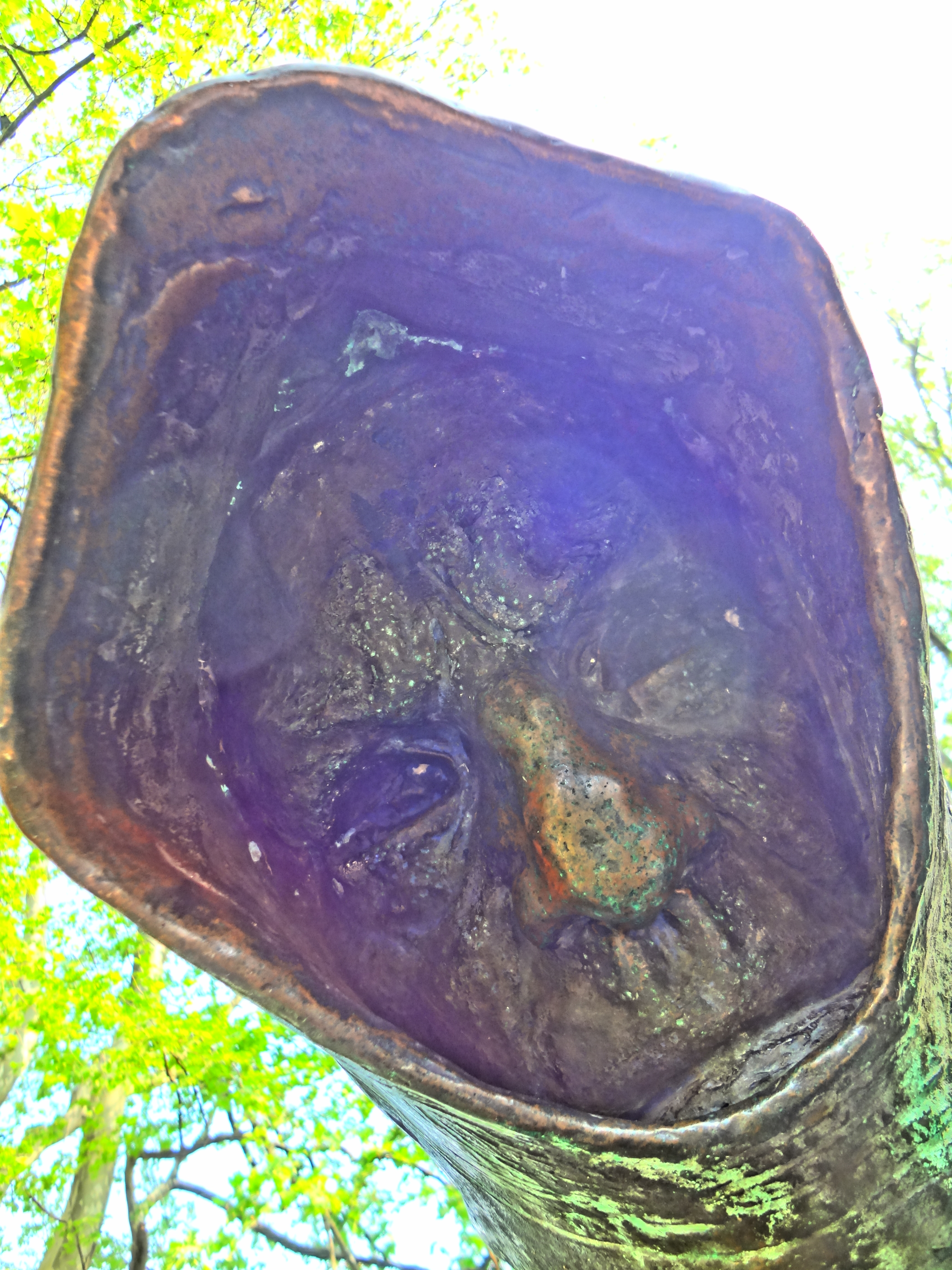
There is a shrouded woman, slouching in an oversized chair.  In her right hand she holds a pen, in her left hand she holds an unfinished work.  Has she died while inscribing a message to us?  Is she sleeping; involuntarily taking a respite from her labors?  Has she been poisoned?  Is the truth of her discovery so threatening to those in power as that?  

Image

A closer look will prove that she has been slouched for sometime, undisturbed   The sockets which once held the perceptive, dancing light of discovery and mischief are empty.  Although they are open, she no longer has eyes to see.  She has been abandoned, left in peace; either out of respect or fear, malice or neglect.  As she remains, deceased, undiscovered, so to her truth remains out of the reach of humankind’s world understanding.  

Image

Will she remain the only one to know the truth of things?  Or will we brave to peer inside her hollow eyes ever fearful of what we will find?

Image

Image

If a great city can be said to be like an individual man or a woman, then we will begin the metaphor there.  If one were to try and learn everything there is to know about another individual, how much could one really come to know?  How much does the author or the readers actually know about their own mothers and fathers, their own siblings, or their spouses?  If we could endeavor to know another person completely, and we dedicated our entire lives to this discipline of knowledge, how much would we still be left in the dark about at the end of our lives?

Image

I toured the fort on the Buda side of the Danube today, and the hill that overlooks the Pest side of the city on the opposing shore.  For one person to know this city completely is impossible, I think.  If understanding the average city is like understanding another human, then understanding Budapest is like understanding an entire tribe of people.  Budapest was first settled by the Celts before Rome came to rule over these lands, and was overrun not only by the Mongols, but also by the Ottomans and Nazis as well.

Image

Budapest has been settled, decimated, and rebuilt through forced repopulization campaigns on many occasions over time.  The city is itself a core sample of the human experience on our planet. If the human creature has evolved through countless epidemics, migrations, and devastating shifts in climate in order to become what it is today; then the capital of Hungary has more in common with the average human than we know.  What do you call something that thrives as a result of threats, chaos, violence, calamity, exposure, and the most severe of bruising?

Image

If it is a city, then it is in a class with Budapest; the center of a white-hot forging which has been tempered by the hammer of God for two-thousand years.

Image

Image

I would sing a song

To make your cancer die

Would and have prayed please

God leave her with us

Image

I do not pray that

You live long only enough

So you could swim now

Again with my infant son

Image

That he would know you

Voice and praise love care

Light through frozen still air

Magic on a Christmas morning

Image

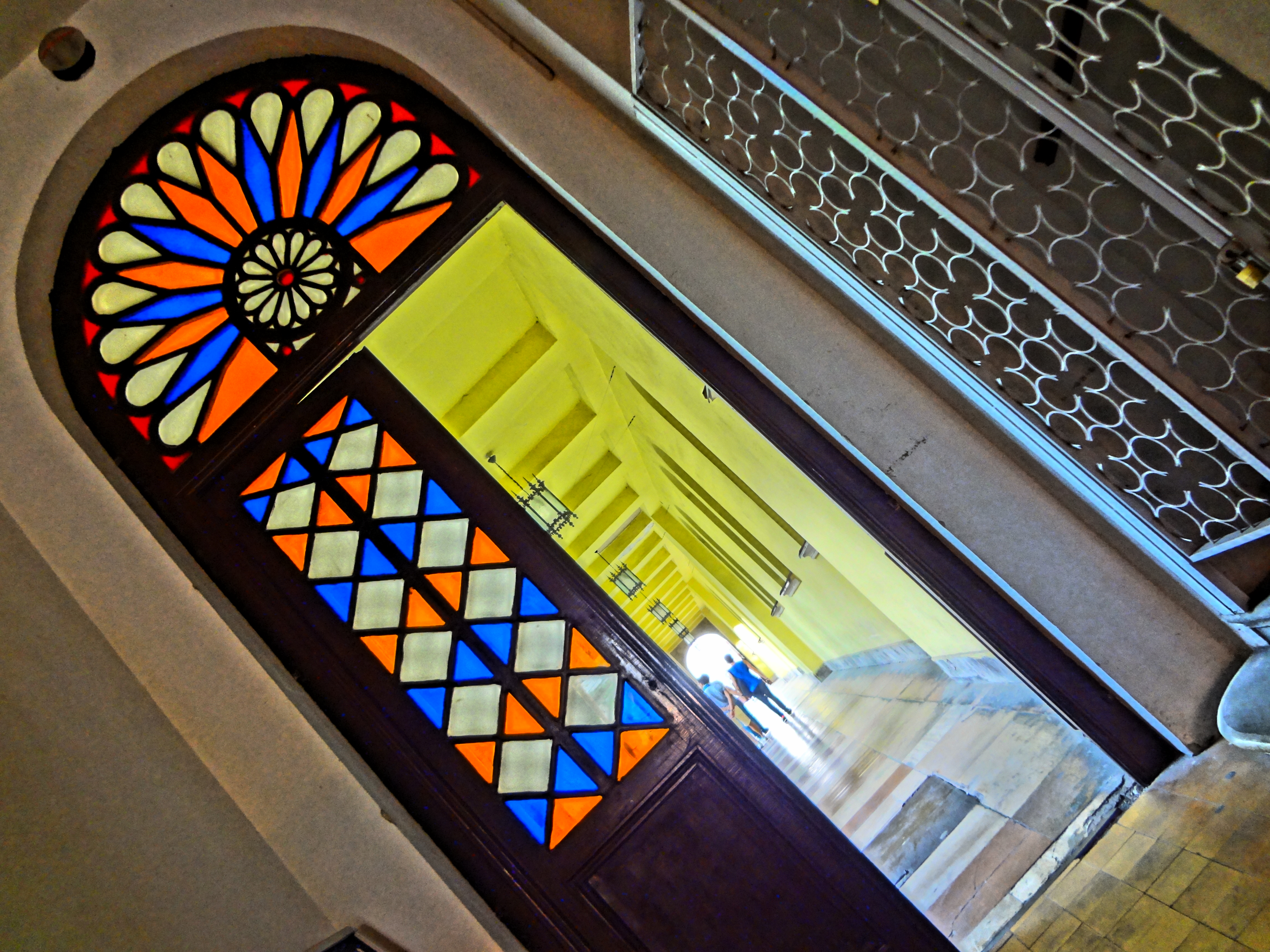
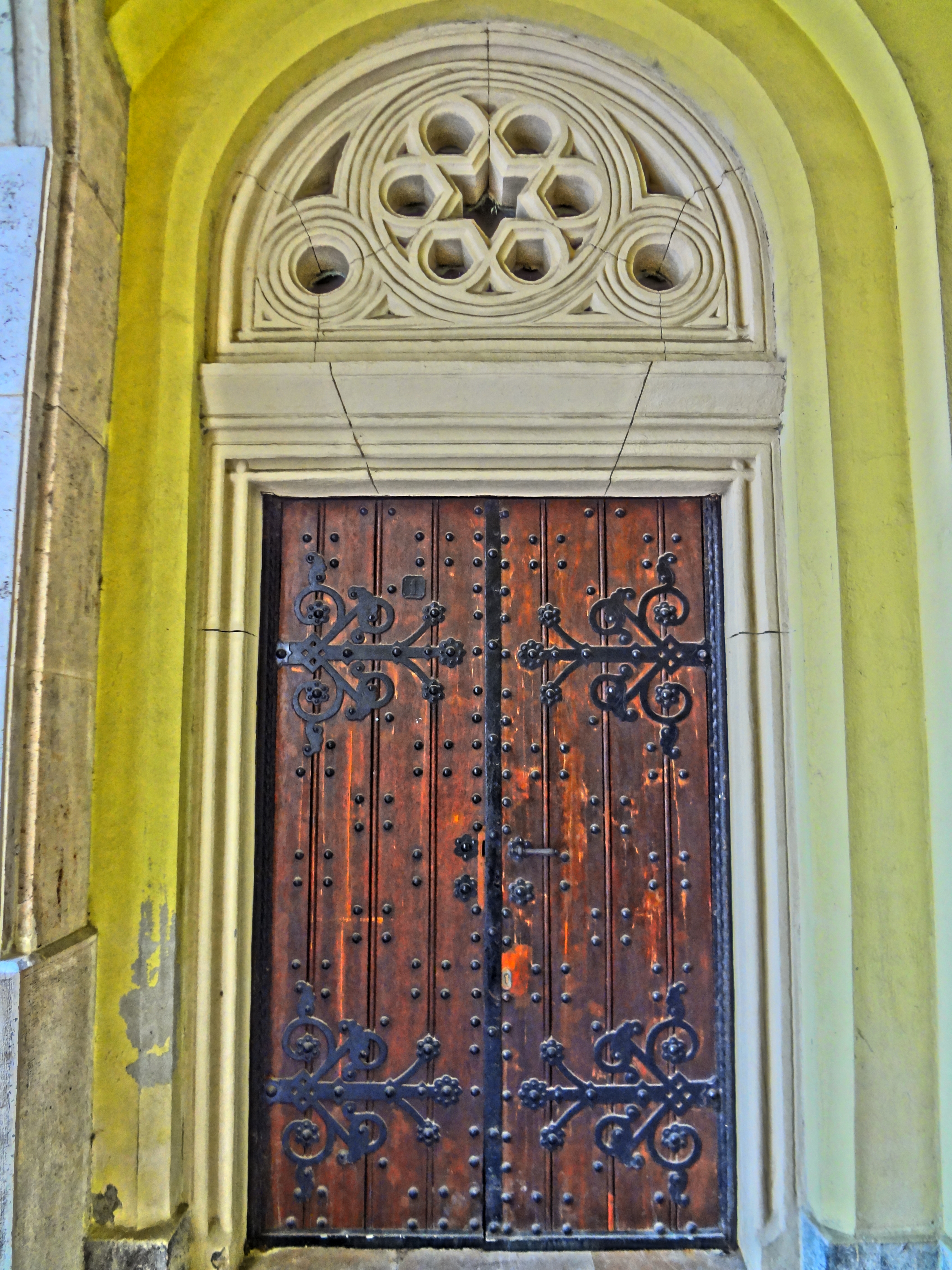
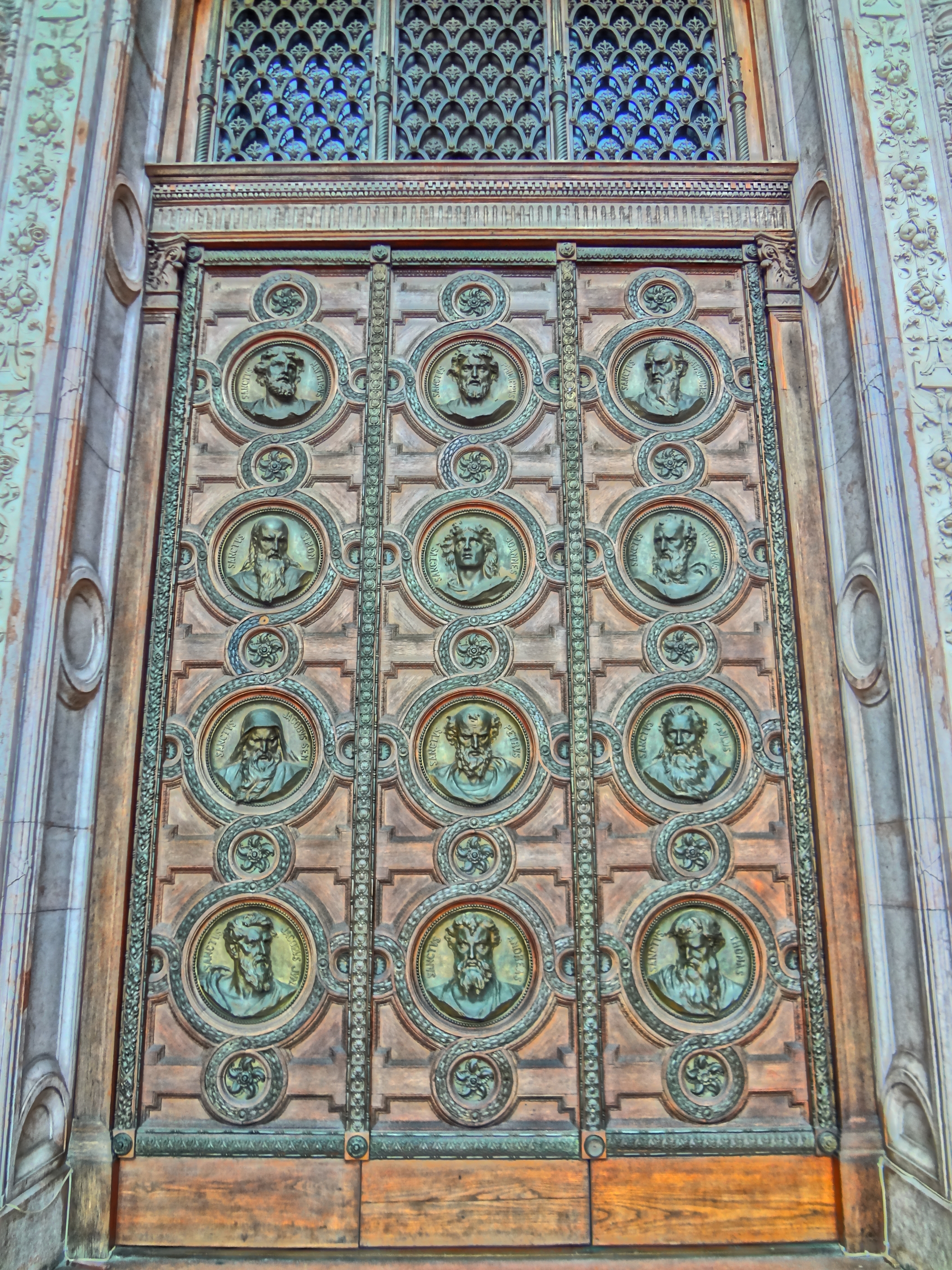
These are not dandelions Mother

Today I chose for you

Doors because you like doors

Words because you like words

Image

As you look back briefly

Threshold under bare pink feet

You see your wandering son

And know God’s endless grace

Image

Joshua Hughes

30 . April . 2013