Archives for category: Uncategorized

My recent travels left me wanting for time to sit and give sufficient thought and reflection on my experiences north of Albania.  I hoped not to let too much time pass between the walking of and the writing about the capital of Slovenia.

Image

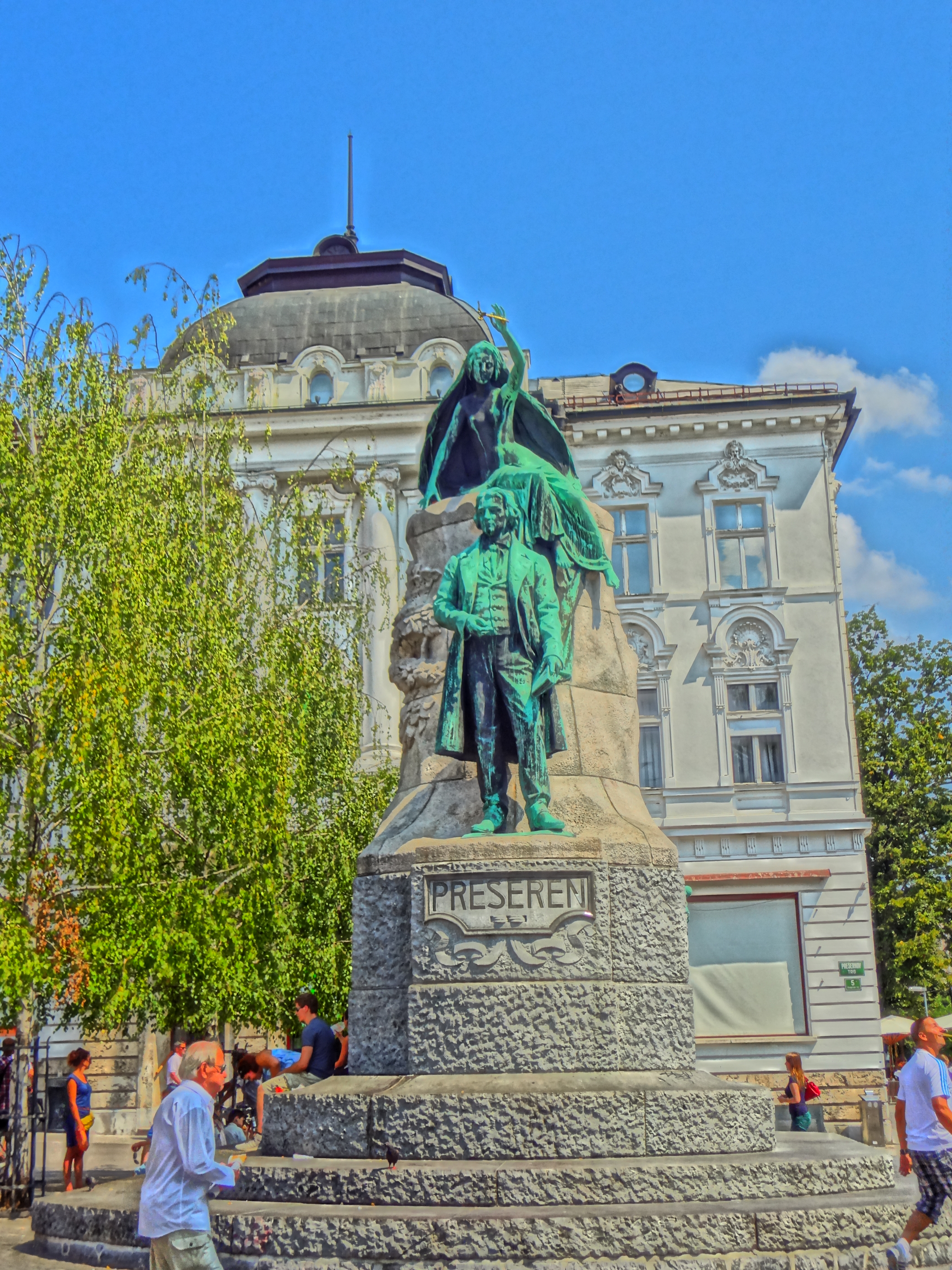
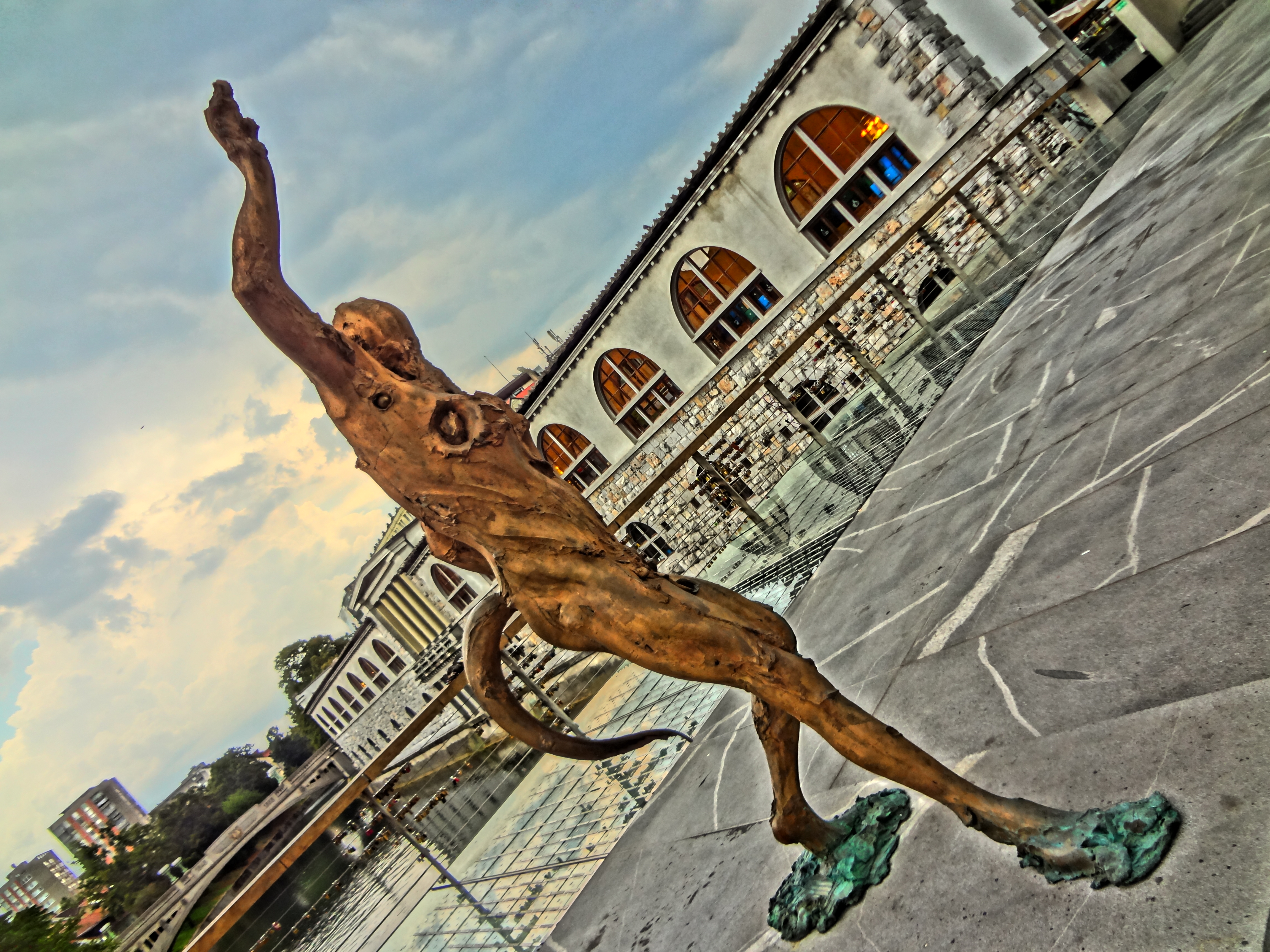
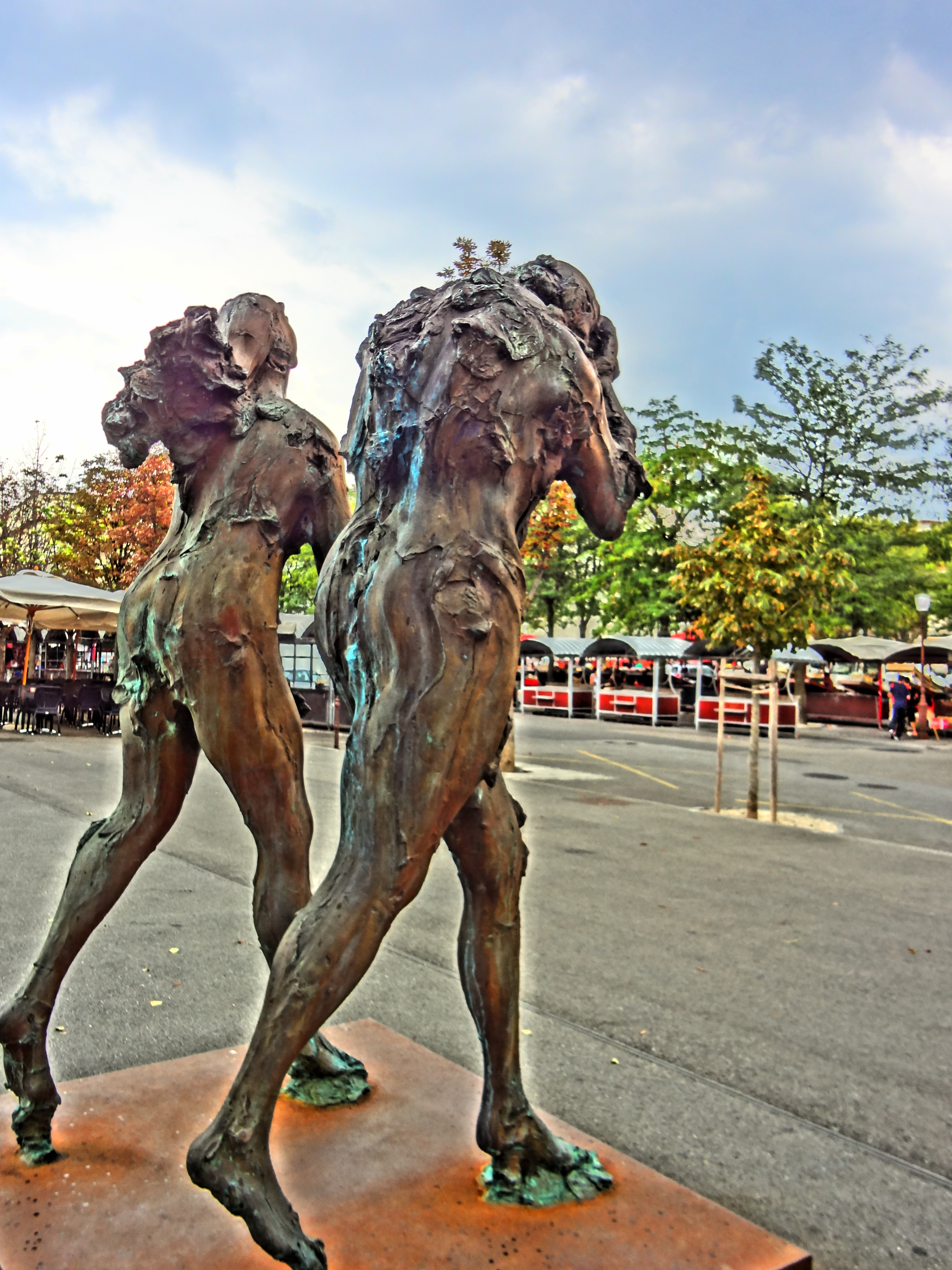
I arrived shortly after midnight and was given last-minute housing at one of the hostels in town.  My roommates were sleeping soundly upon my arrival and continued to do so until after I got up that morning. After breakfast I was told of a tour that left from the center of the city every day at 3PM.  Ljubljana has many eye-catching treasures, but it is always good walk with an artist when trying grasp Matisse, Monet, Degas or Dali.

Image

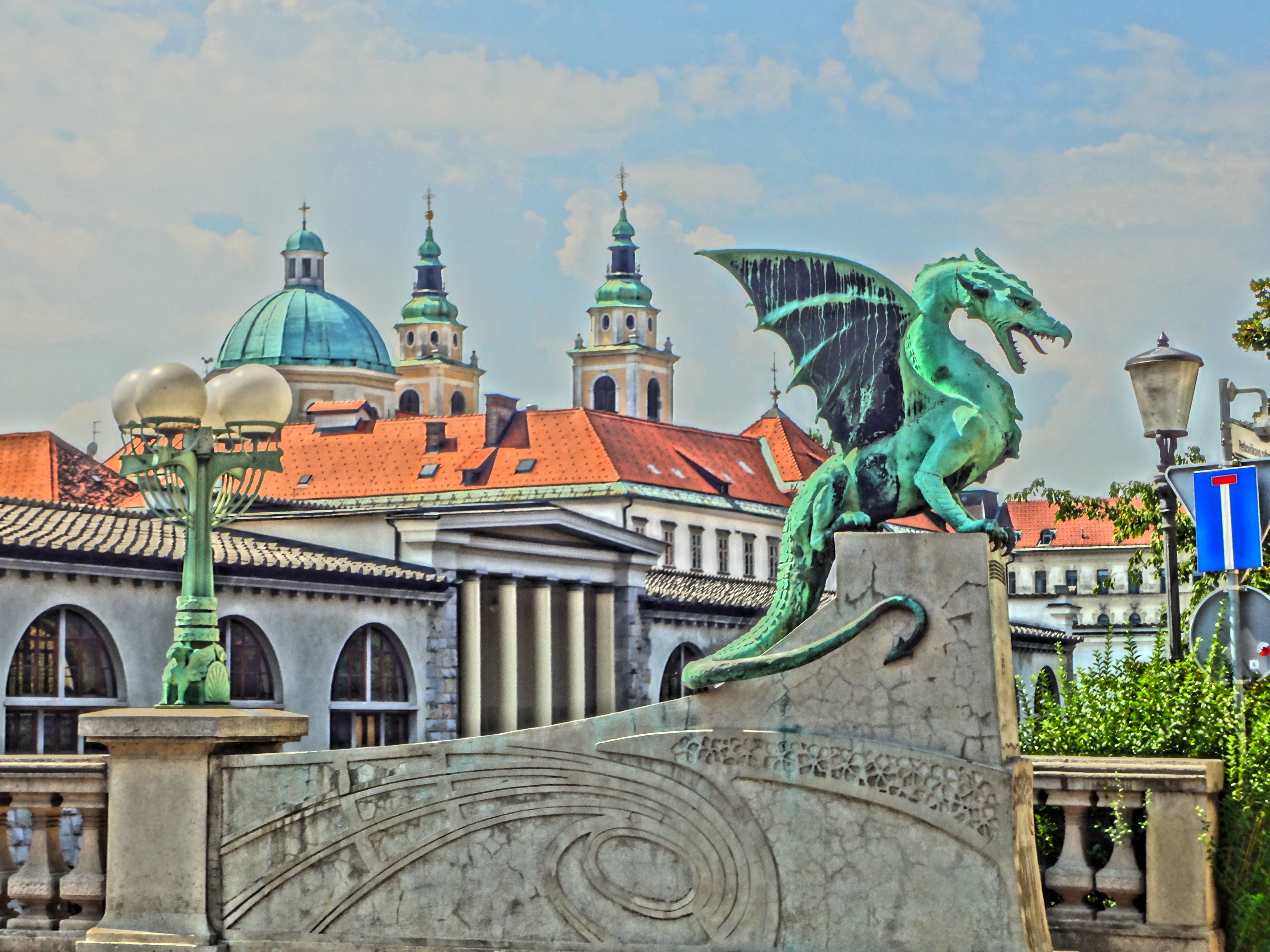
Slovenia is Europe proper, there can be no question.  Unlike some of the other Balkan states like Bulgaria, Slovenia did not have to hastily paint its face to appear presentable for audience with Germany, Austria or France when seeking membership as part of the European Union.  Its culture and art are on par with those of  the finest cities in Italy.

Image

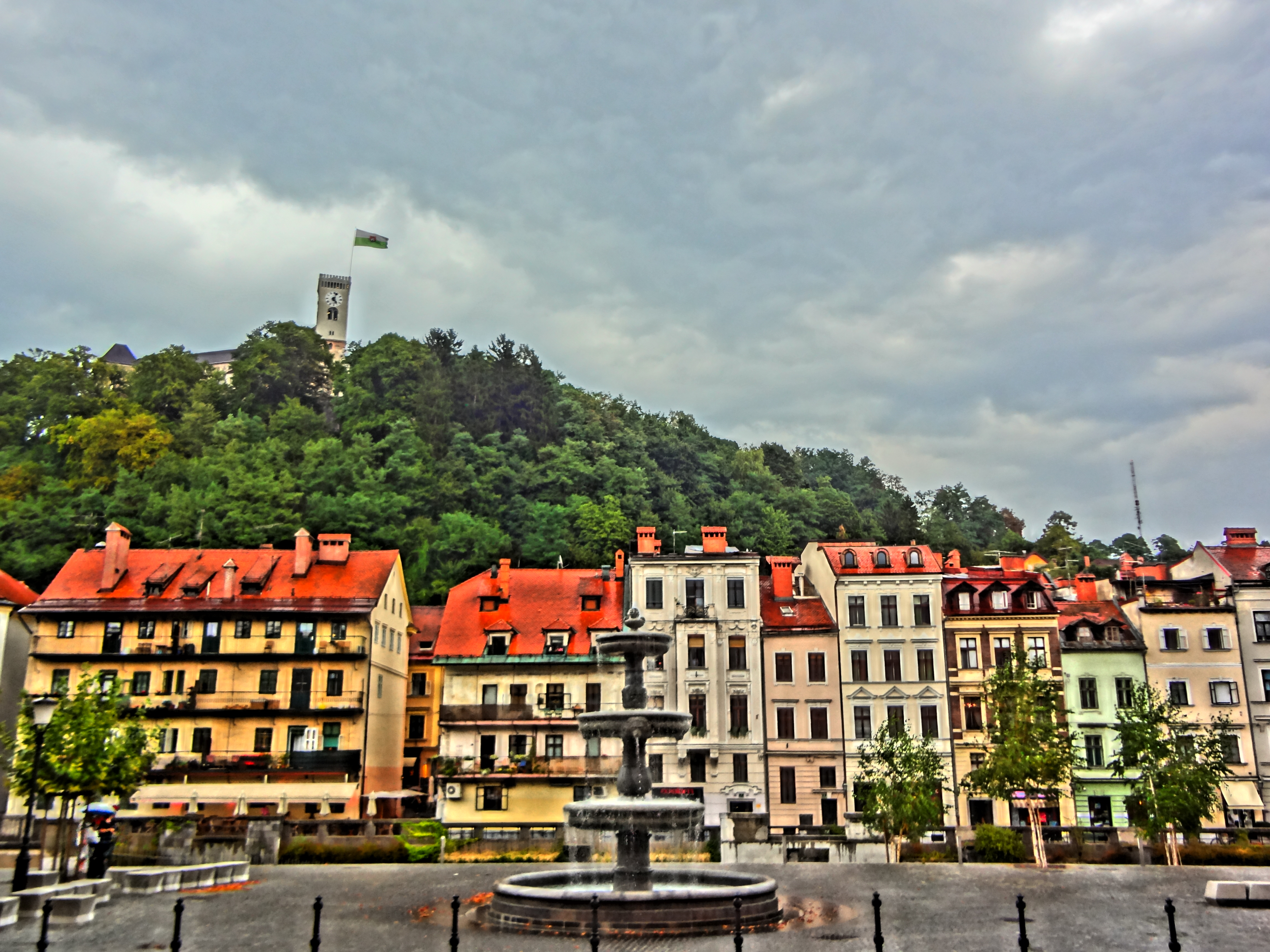
While taking the tour, the weather turned cold and rainy.  For those of you who know me, you know that I was born and raised in the cold and rainy.  Life in Seattle had prepared me well to take advantage of sites unencumbered by rain-fearing tourists.

Image

As the sky bristled into grey curdles and frayed black-on-white chords, the streets were abandoned for want of dry cover.

Image

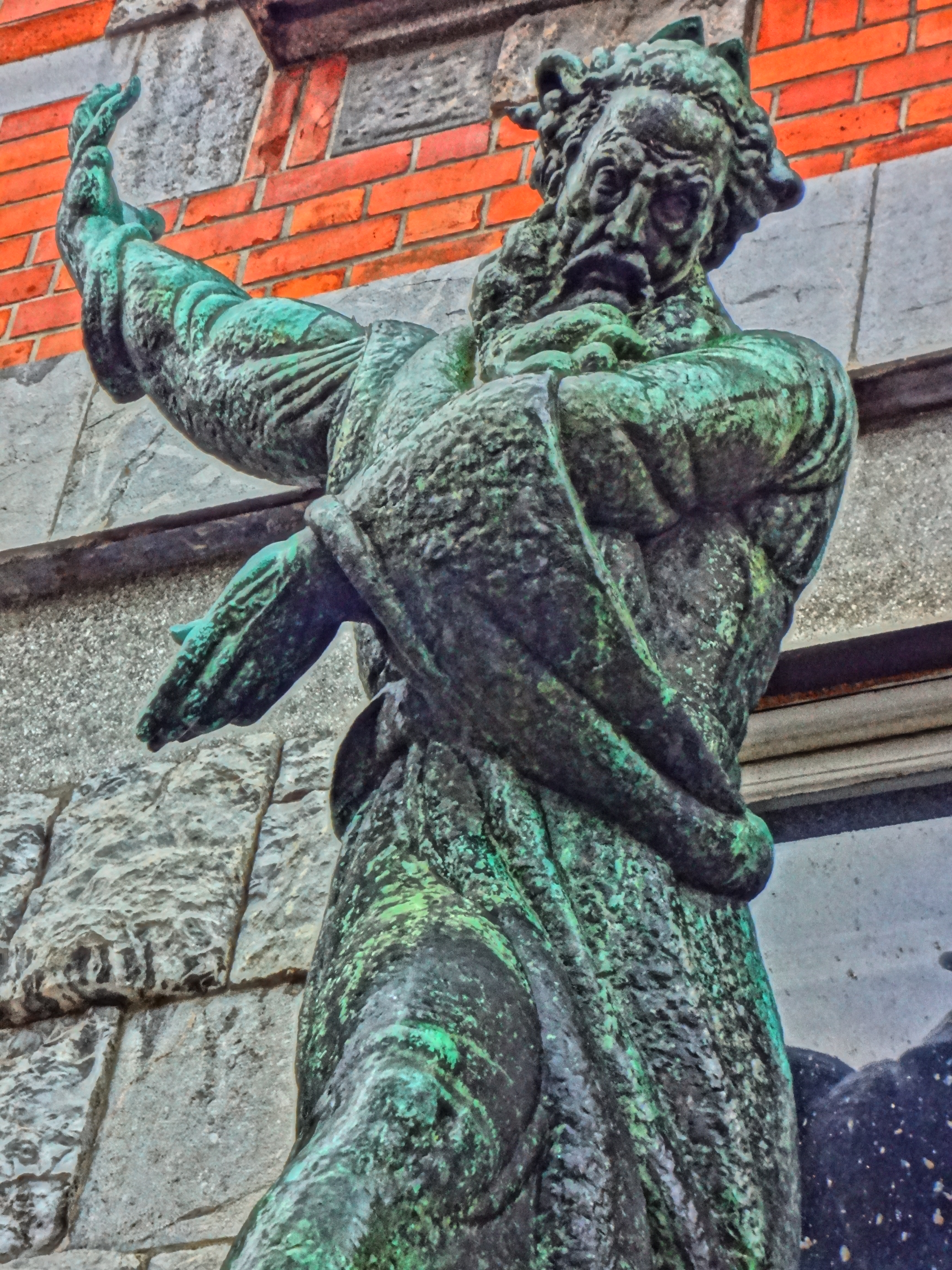
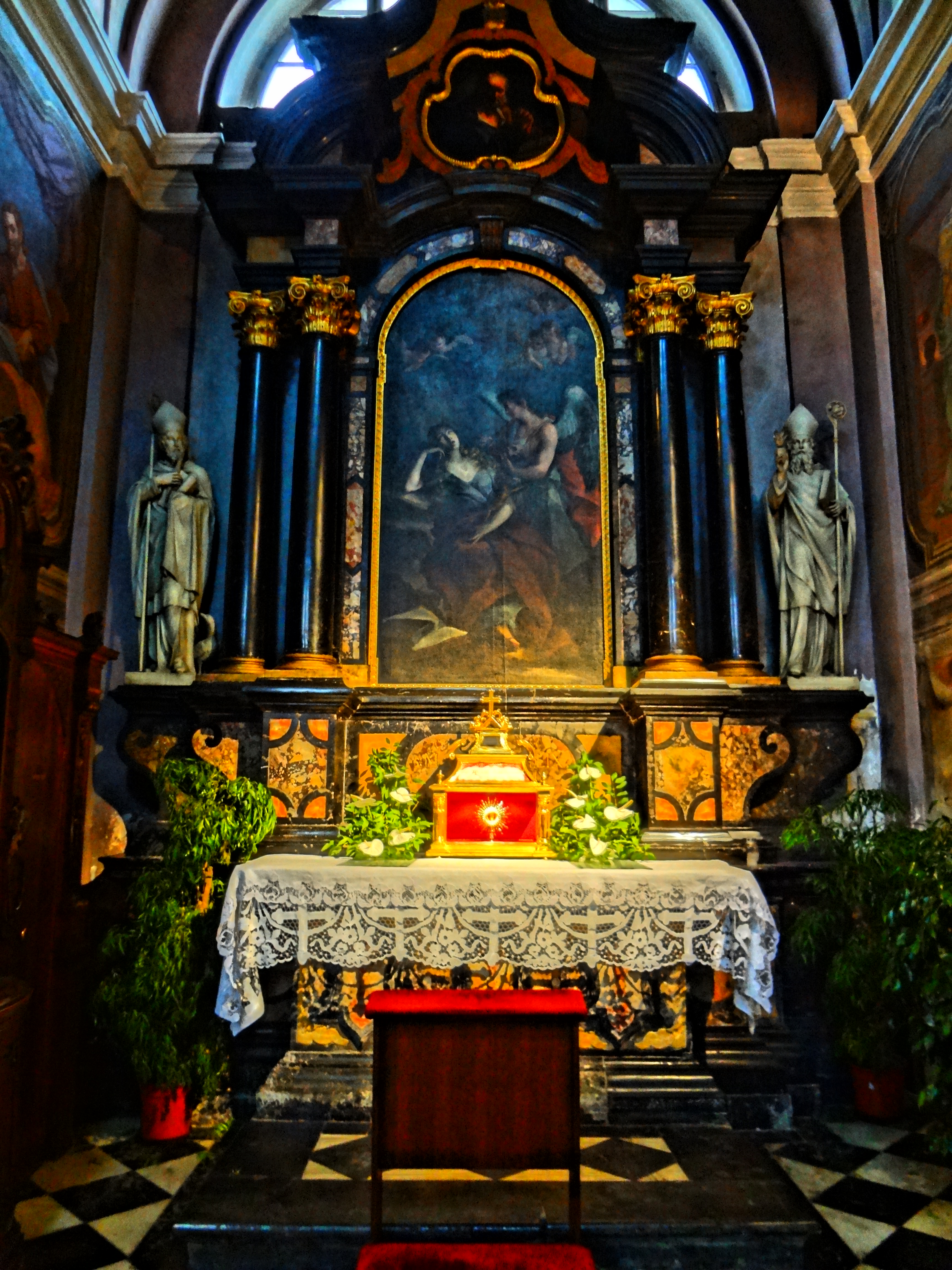
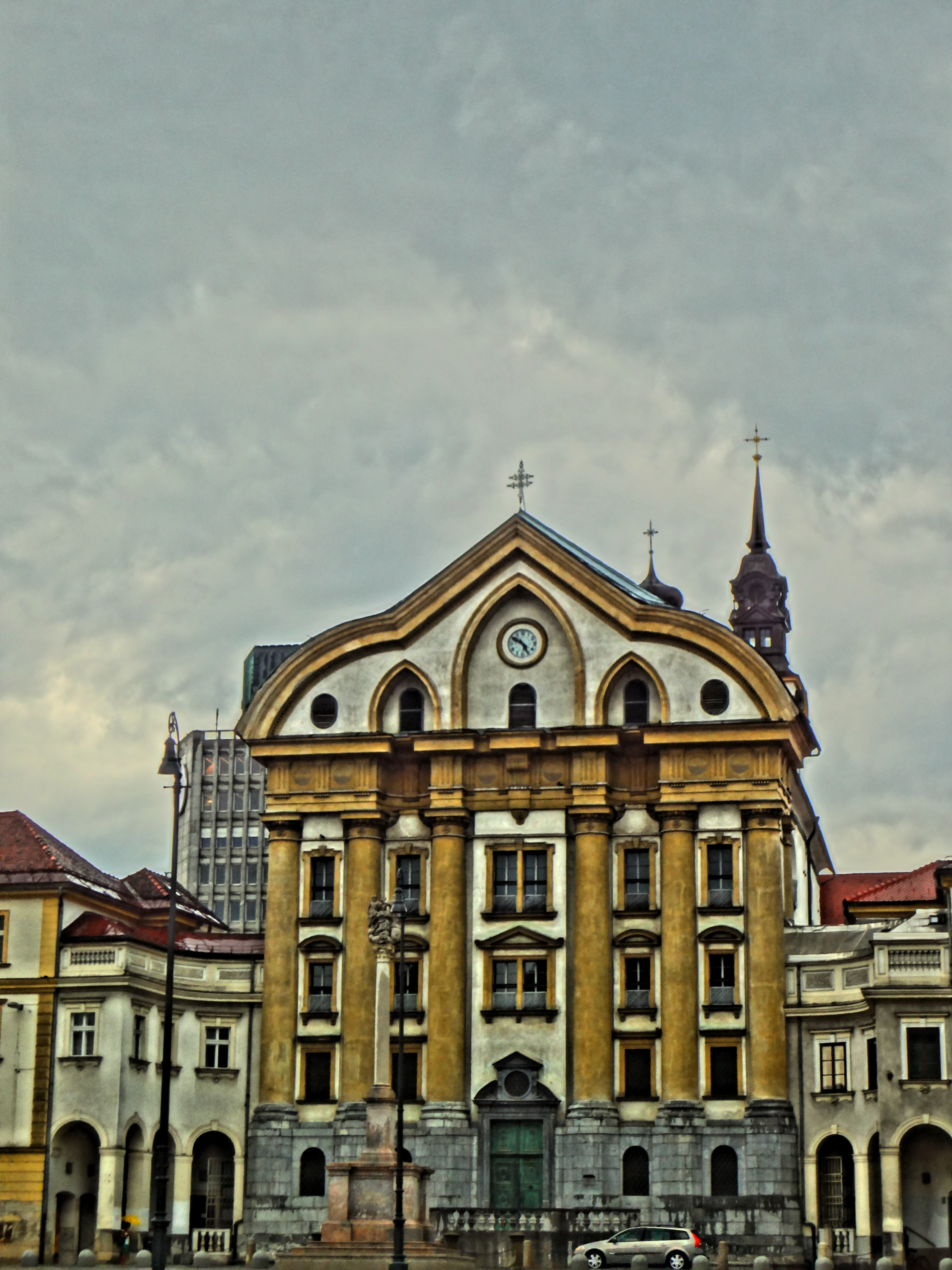
This city can boast the finest examples of Baroque and Venetian influence, and the modern additions to the place have enhanced those cherished, high necessities of vanity.

Image

City is more than a place to work, trade, and walk.

Image

It is the golden buckle on your boot.

Image

Your emerald ring.

Image

Tassels hanging from lace at the foot of the guest bed.

Image

Slovenia is the hand-shaped gold wound under the lip of the goblet you never drink from; the home of saints and the regretful lonely.

Image

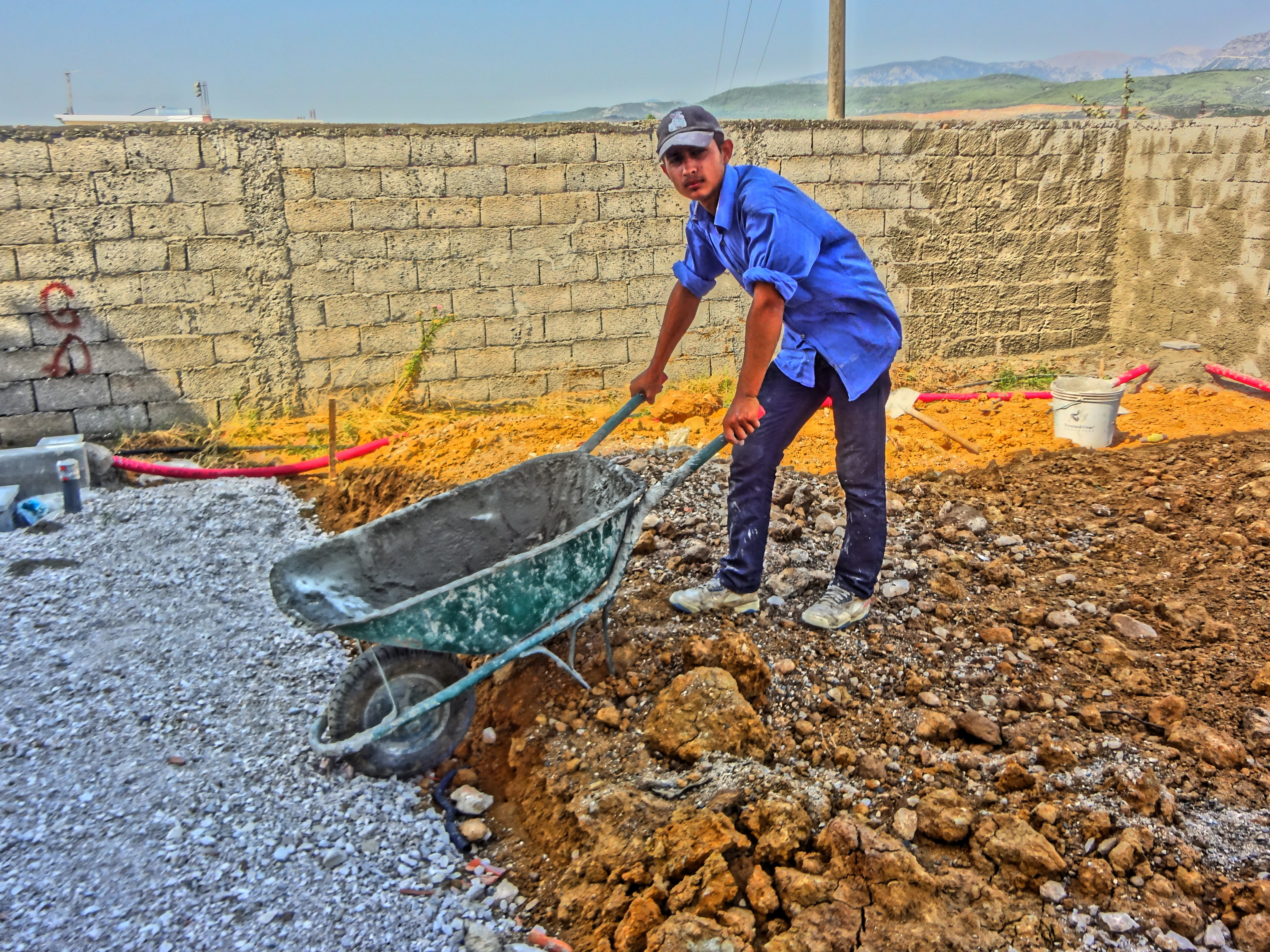
The pace of work at the job site has slowed considerably over the past month.  My crew today consisted only of Vissy, Sajmir and myself.  The work inside the church has come to a halt.  One crew is waiting on a tile decision and the other crew is on holiday.  Getting back to Fushekruje yesterday afternoon was good for my head.  Coming back to the small city, I was greeted by no less than thirty people who know me and were happy to have me back in town.

Image

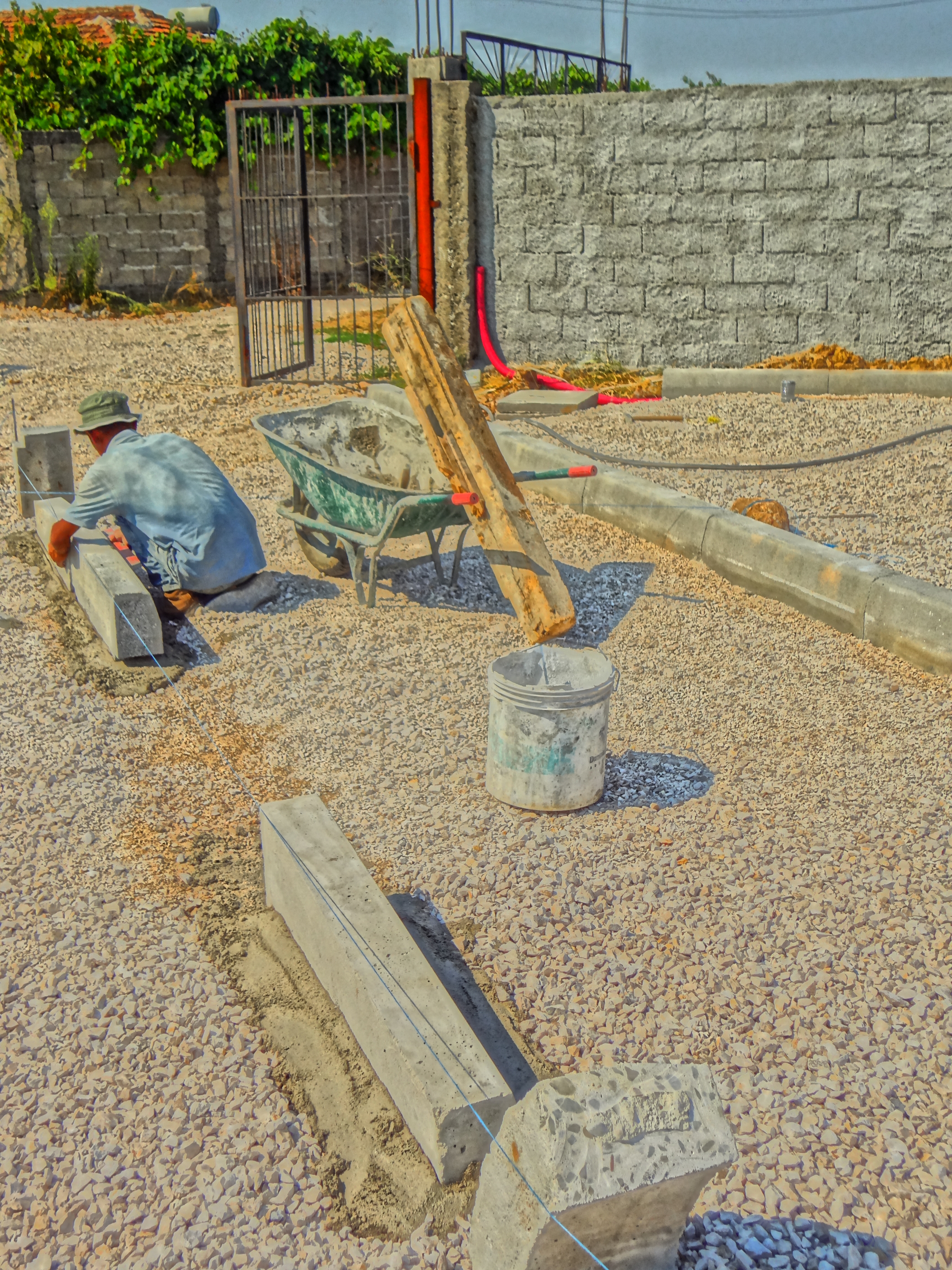
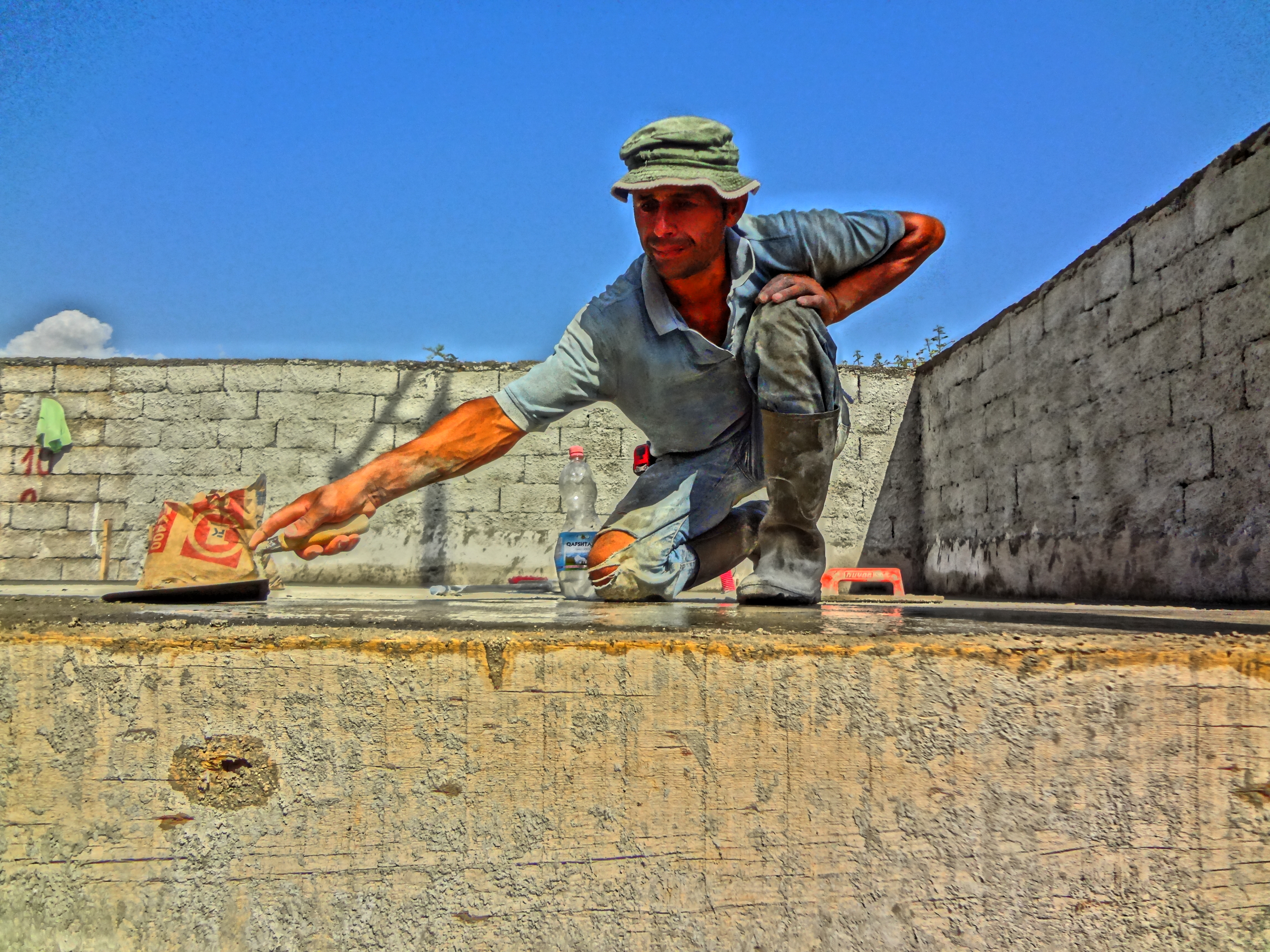
Sajmir, our on site magician, made his focus some of the last, bitter ends of the one-meter border pieces we need to set.  It is men like Sajmir who kept the walls of cities from collapsing during long sieges, who first figured the way to cross great rivers.  His inventiveness is not bound by the technology at his disposal.  His intelligence reveals the diversity of functions his simple tools and materials can serve.

Image

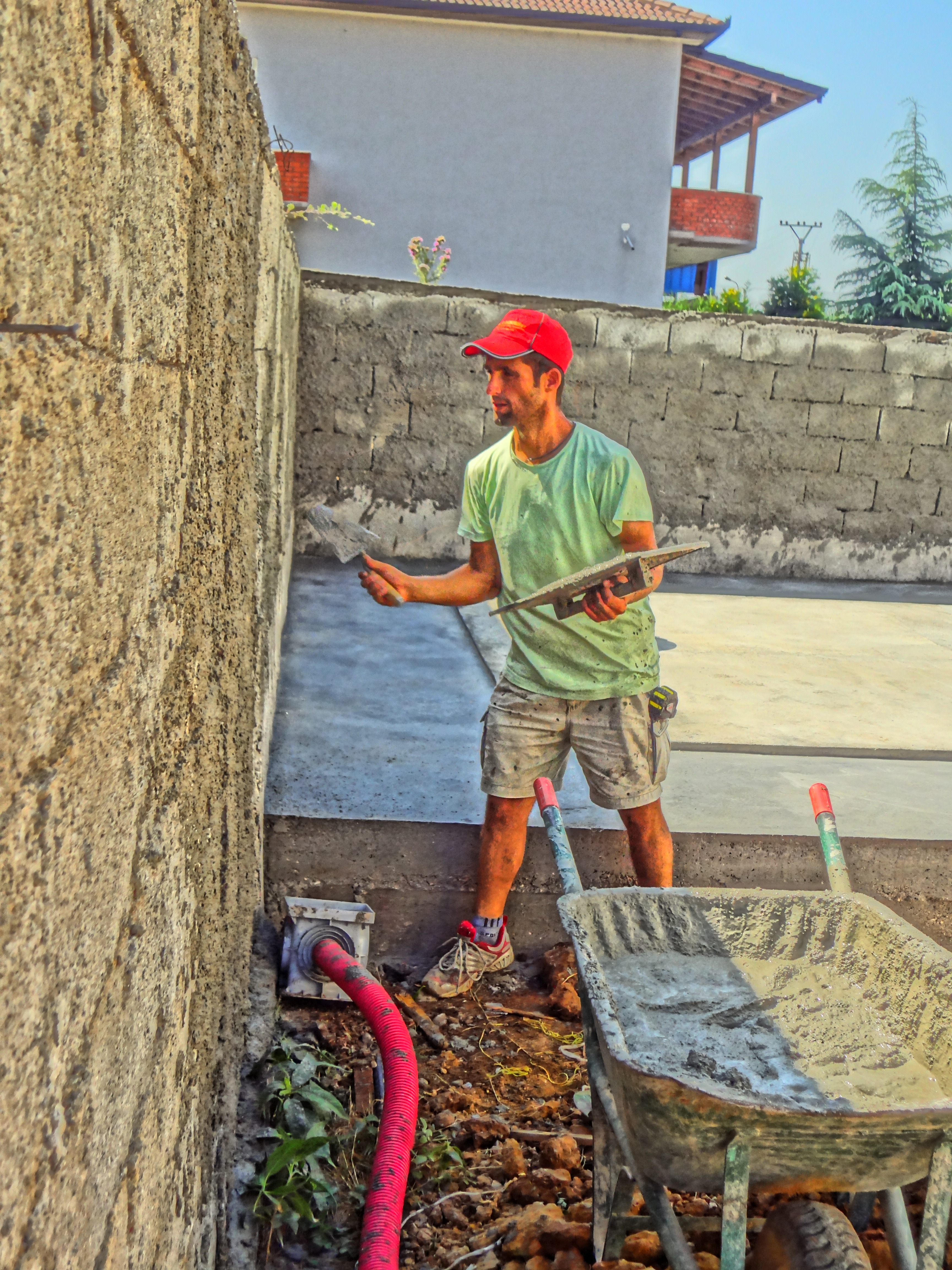
Vissy set to throwing sprutso all day.  Sprutso is the underlayment for plaster on large, flat areas.  It is applied with its own kind of rhythm and slap.  Each trowel-full is carved from the worker’s flat pallet before he tosses it up in a quick, snapping arc.  Some material will take flight from the impact, spattering a few meters in any direction the laws of physics have allowed, but mostly it sticks like cooked spaghetti to raw wood.  Vissy is driven, has a high energy, and has worked under demanding conditions all of his life.  After being set to task, his focus in delivery of product is unmatched.

Image

The nations I call home are both lovely and ugly, broken and stubborn born.  As my life gets further woven into the lives of those here, I am reminded of who my father is, and in turn who I am called to be as well.

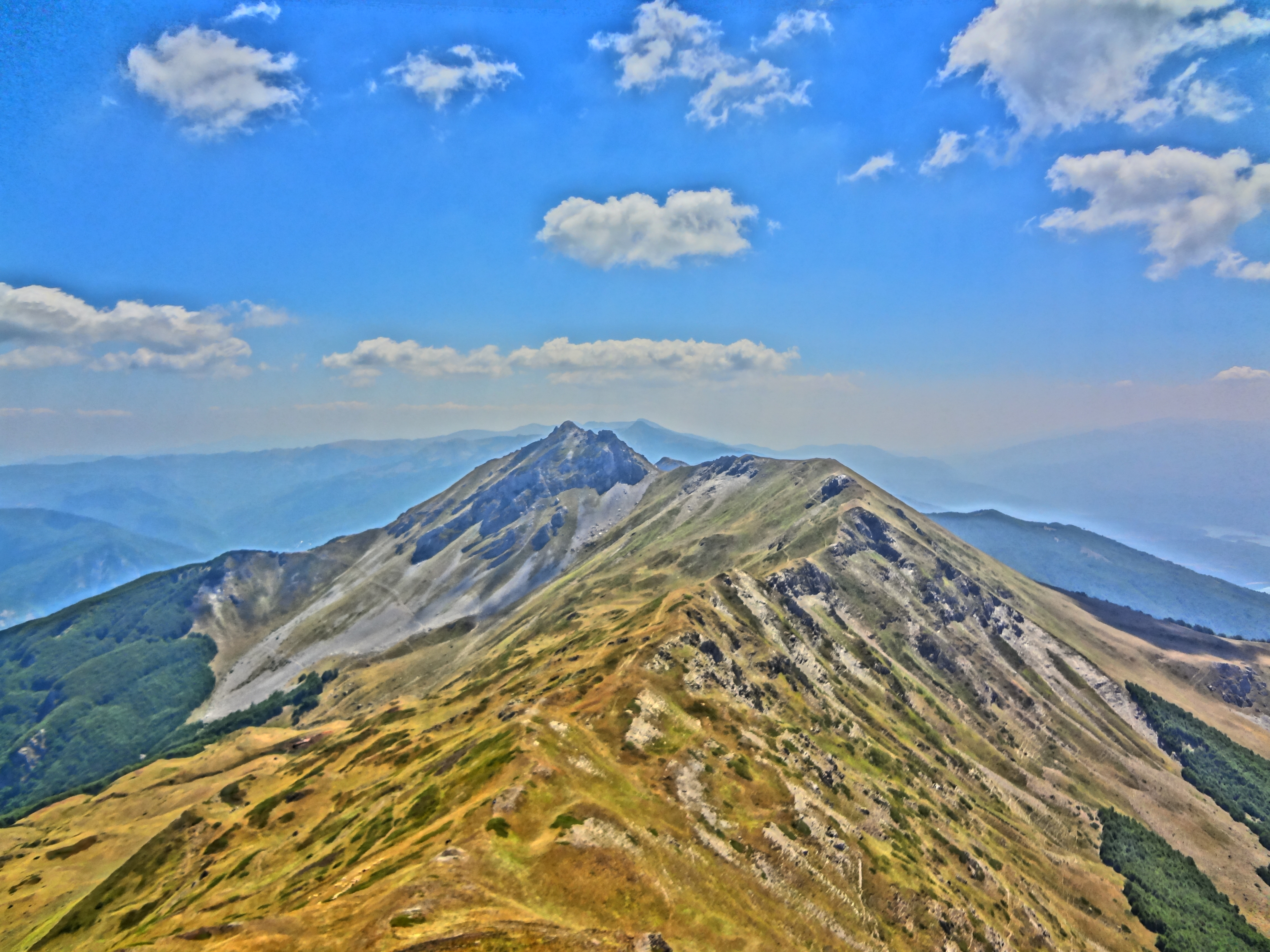
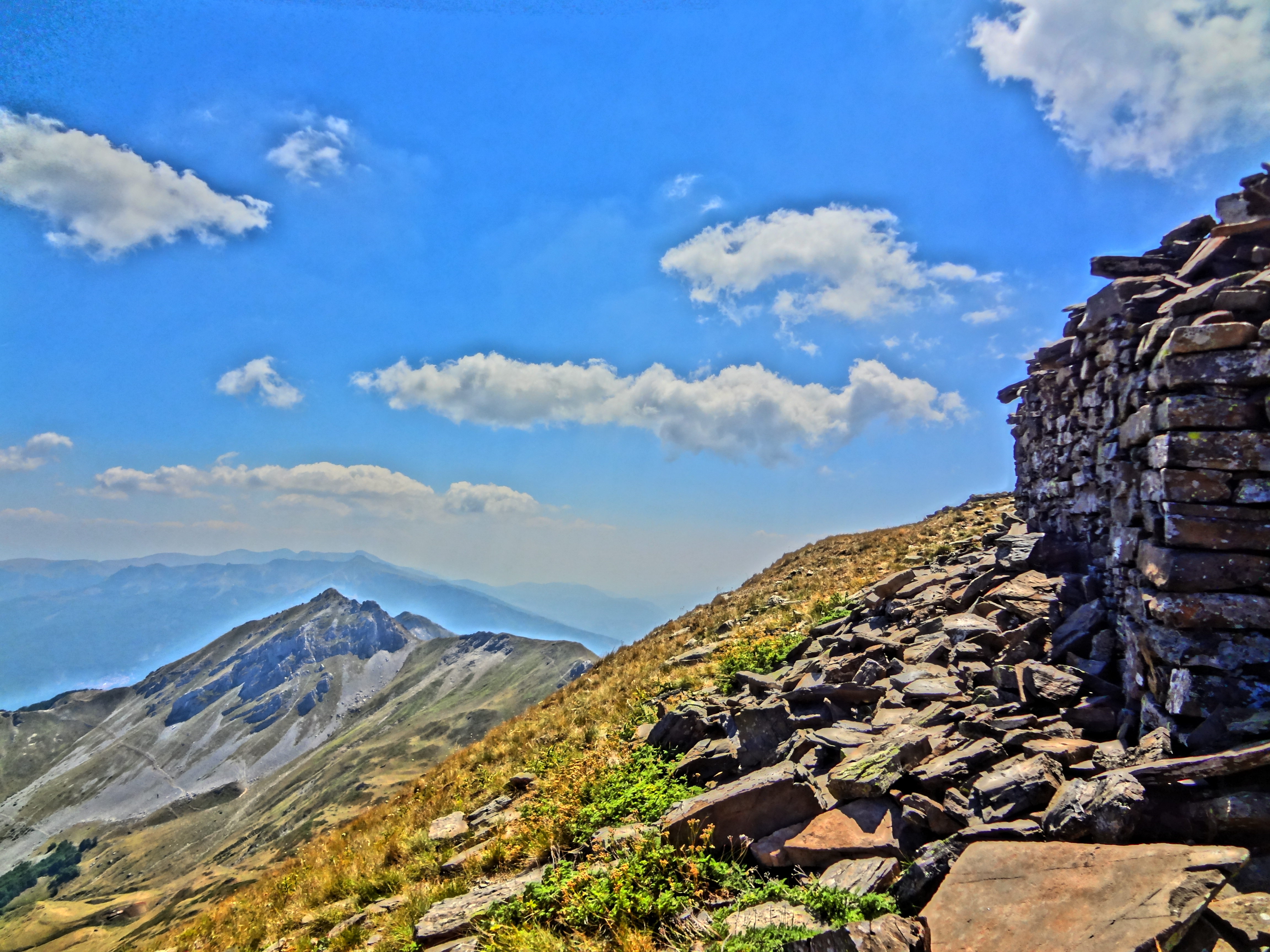
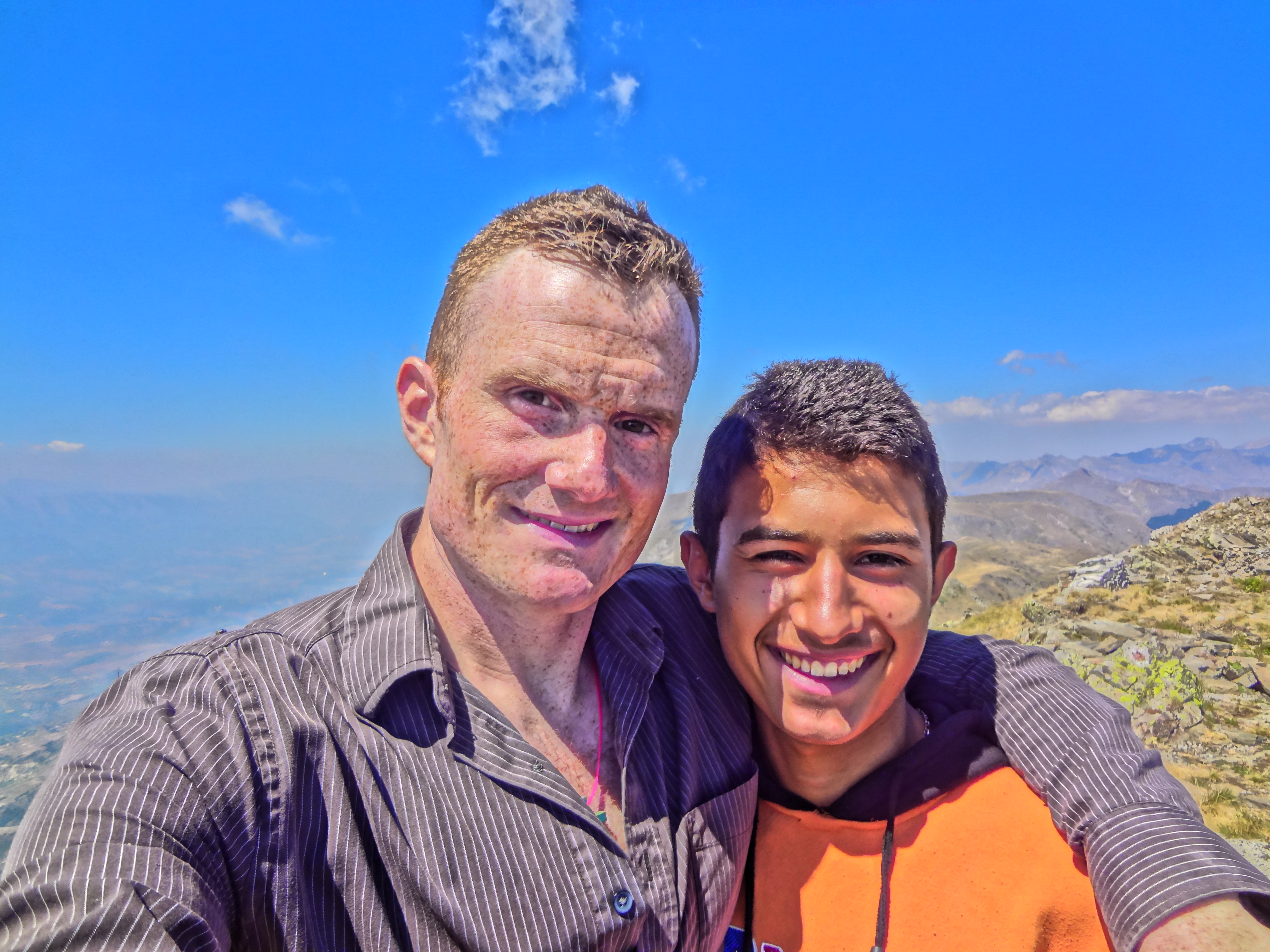
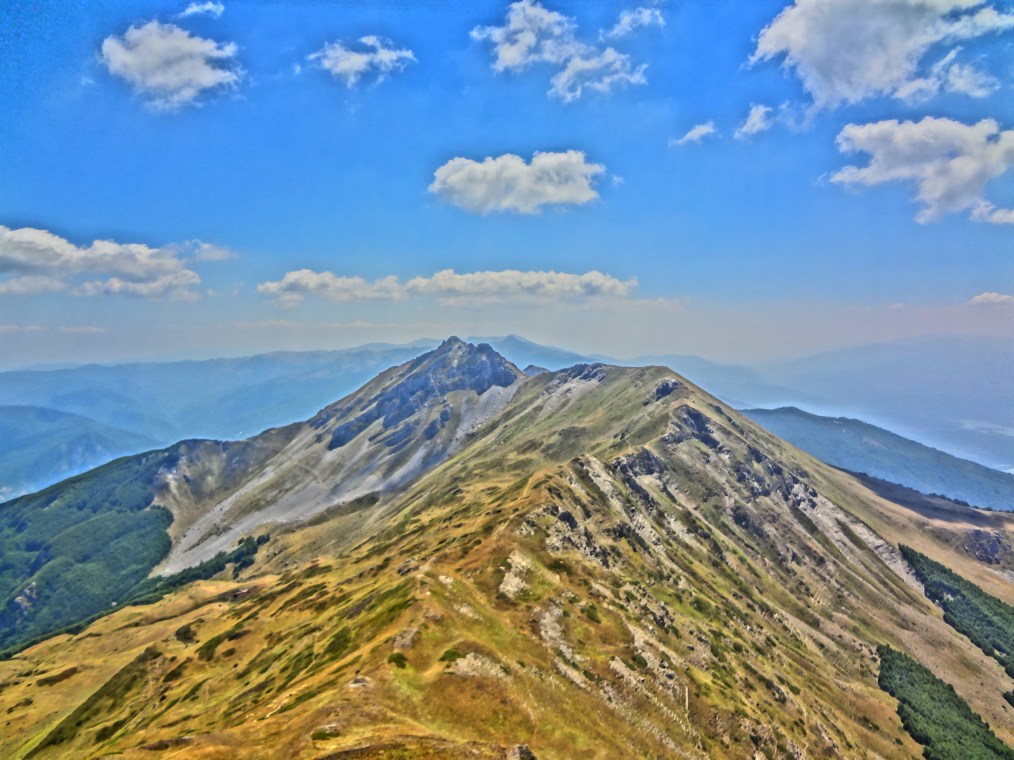
The end of Ramadan in Maqellare and other villages in Albania is celebrated with a day of visiting the houses of one’s neighbors and in hosting visitors in turn.  It is also a special day for visiting sacred places. Albania’s third highest mountain peak, which also acts as one of the border points between Macedonia and Albania, can be summited in about four hours.  We set out from Fatjon’s grandparents’ house at around 8:AM.

Image

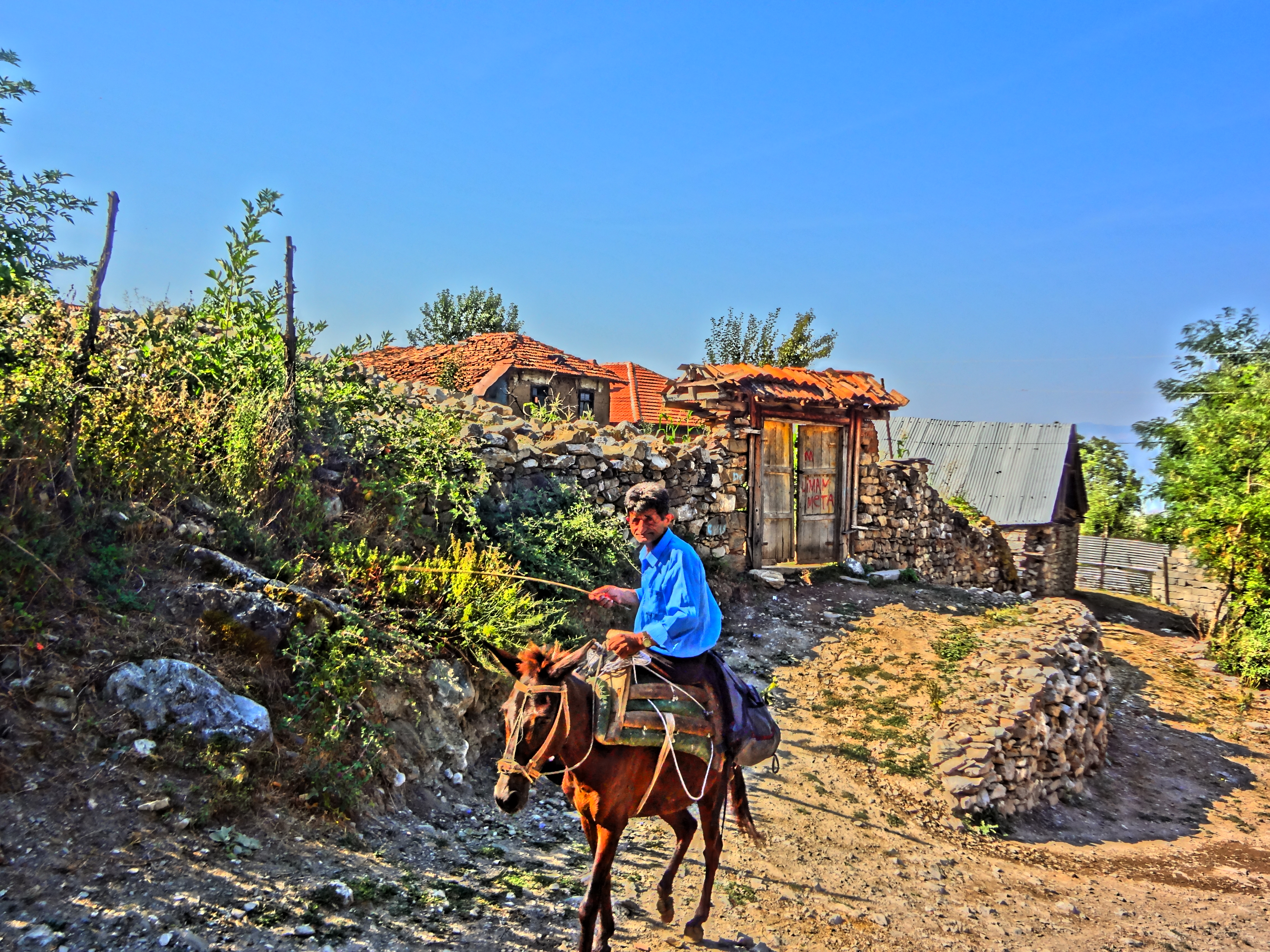
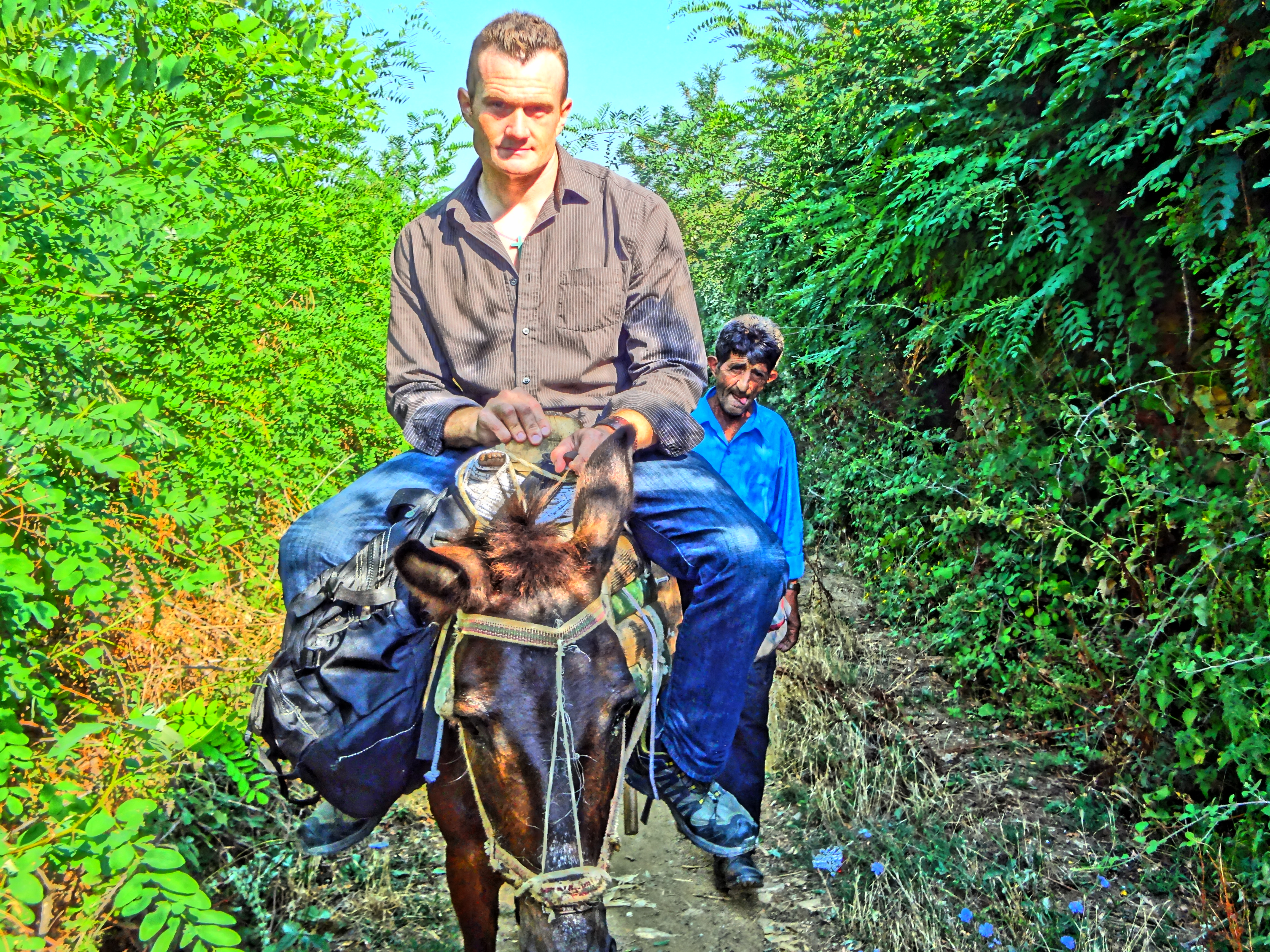
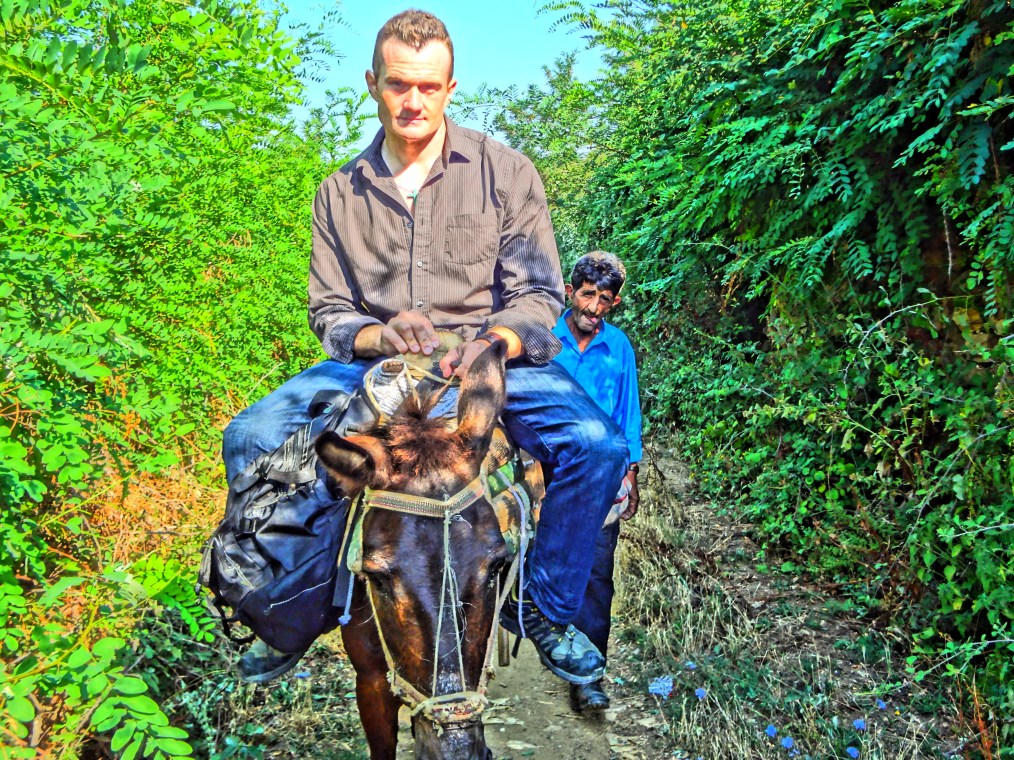
Rifan’s mule was to carry our day-packs, which was a pleasant burden to have freedom of.  I hadn’t realized that the mule was meant to carry one of us as well until we were well underway through the nearby villages on our way to the trail-head.  At the insistence of my host, I climbed my 83 kilogram mass clumsily atop the beast to see what it was like.  The saddle was an exposed wooden frame mounted on a thick, green blanket of some kind.  The entire apparatus was held in place by a 1/4″ vinyl rope which also doubled as the stirrups.  I could hear the inner voice of the mule as it cursed my girth as we plodded along.  Both Fatjon and Rifan weigh somewhere near 120 pounds, which is what I weighed when I was 12 years old.  Over the course of the day, each of us cycled through, giving our legs a break and our eyes a chance to scan the area without watching our foot placement.
Image

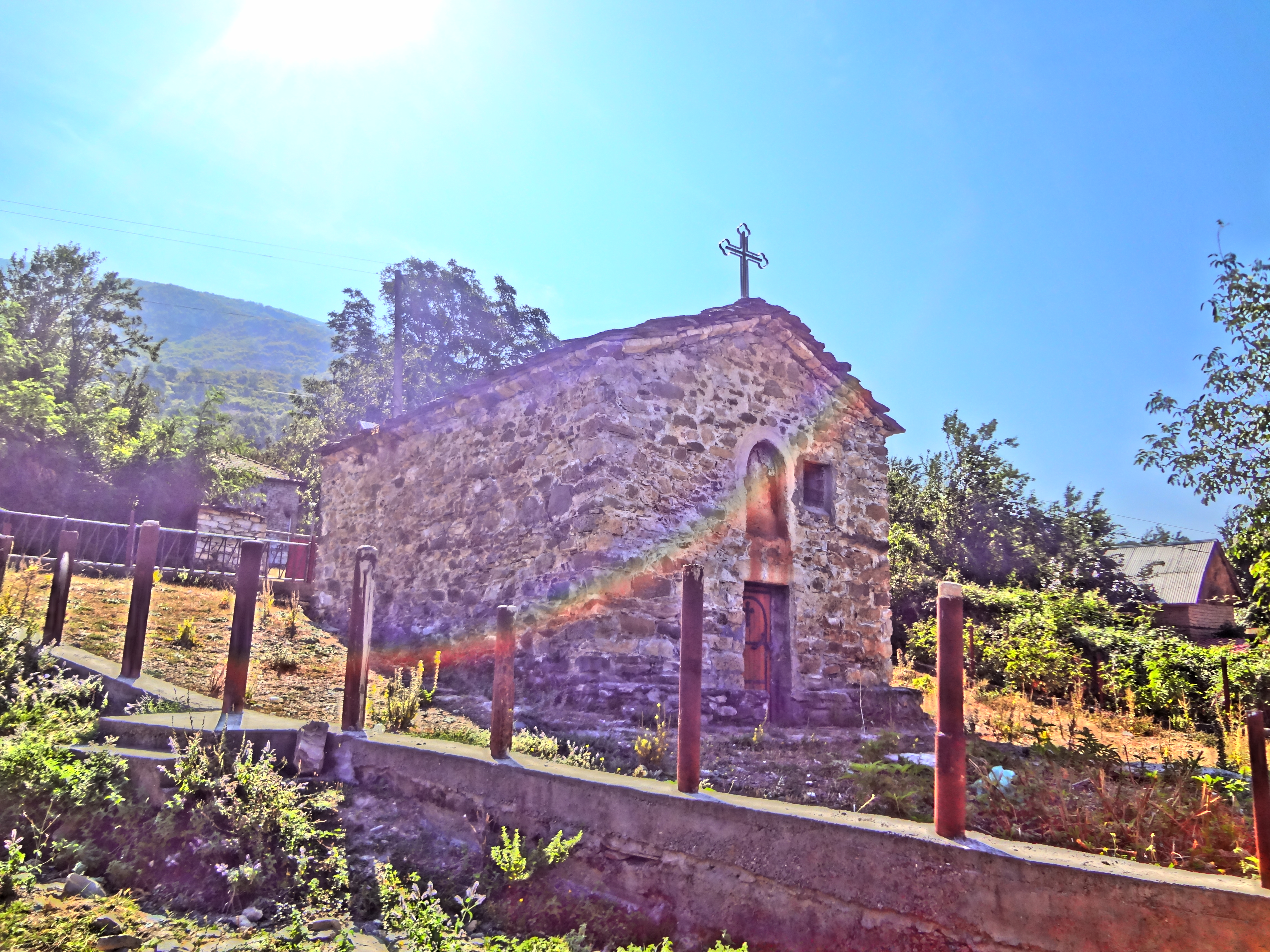
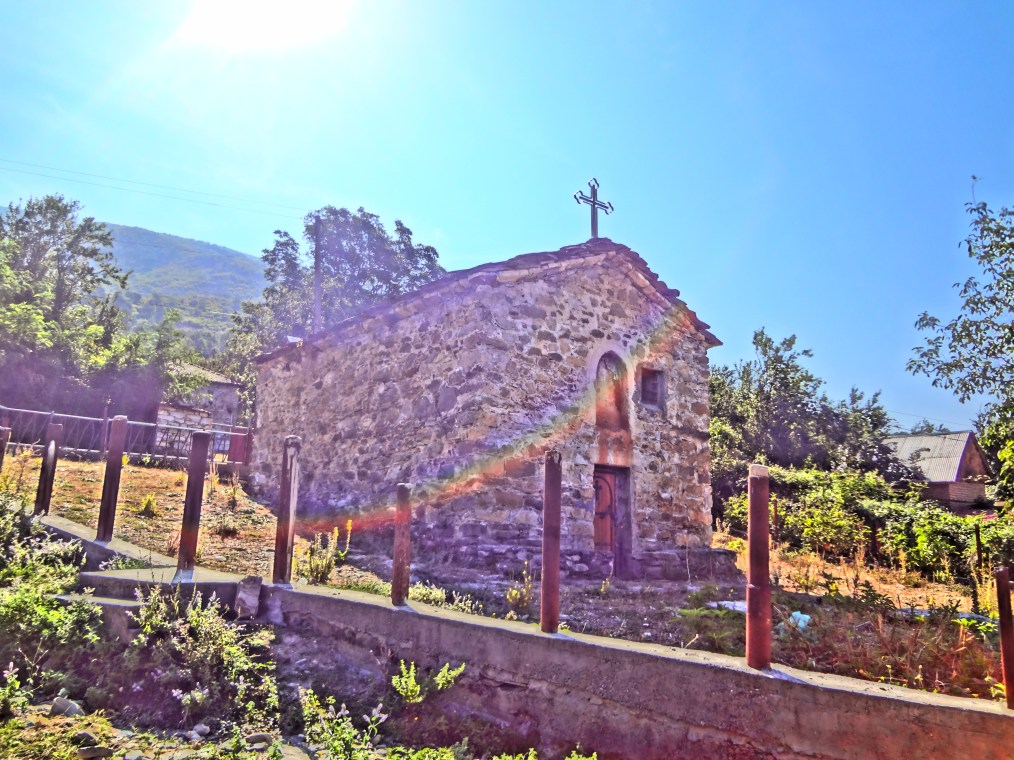
We passed 2 small church buildings while still within the borders of the village.  Like my hosts in Peshkopia, Fatjon’s grandfather made every effort to honor my Christian Faith.  It was important to him that I see the churches in and around the place he calls home.
Image

One of the churches had a proper grave yard with about 25 markers.  We spent the morning hiking the switch-backs and long, winding, paths which led past streams and some great-rock land features.  At every stream crossing we would stop to drink, the water near Maqellare was known by the Italians who invaded there in World War II as something like “easy water,” Fatjon’s grandfather said.  Near the first stream was an old rectangular pile of stone markers “when the Serbs attacked here, they shot a man and he died there,” Fatjon’s father said.  The water was cold, abundant, clean, and fresh.  It was little wonder that men had died in conflict over it.

Image

About half-way to the top we could start to make out the shapes of men and a great herd of sheep.  Rifan had been a shepherd in this area for five years, earlier in life.  It was good for him to sit and talk with the men who shepherd there now, men he had not seen since this time last year.  Communication has an intimacy, a care all its own, when delivered with the eyes.

Image

In the company of another shepherd and his dog is where Rifan chose to wait for Fatjon and I as we climbed the last bitter piece of the shale and wild-grass covered rock.  At age 65, the old shepherd turned woodsman had taken us up the steep incline for about 3 hours, vomiting a creamy-white film from time to time as we walked, never breaking a sweat.
Image

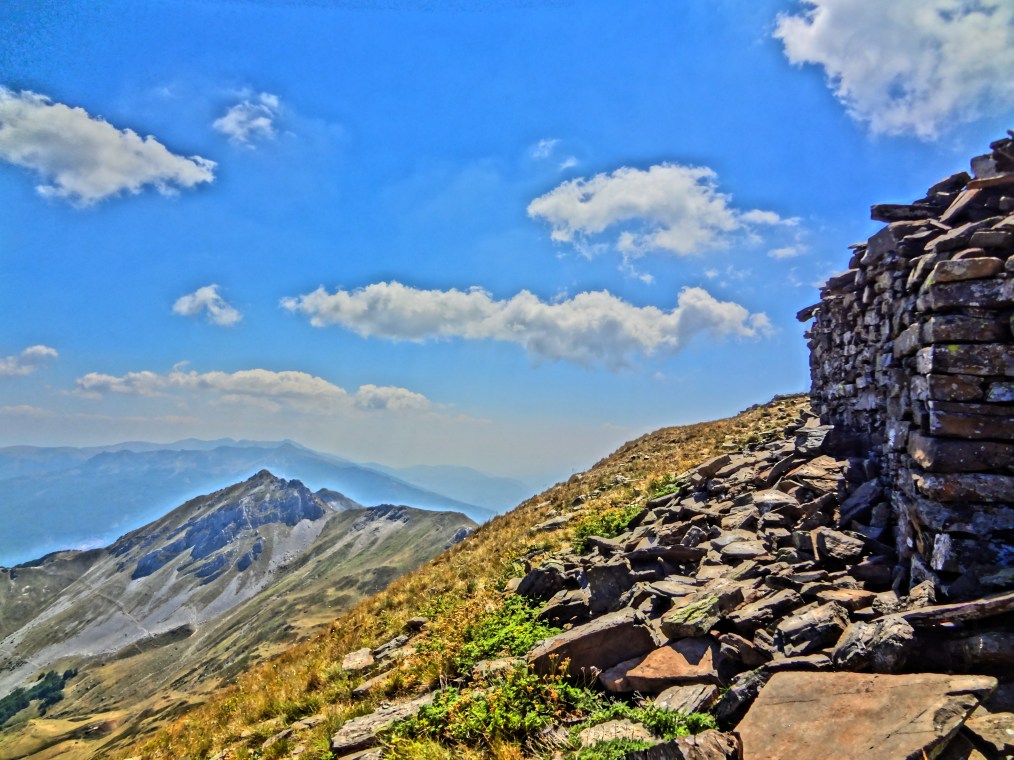
At the top, Fatjon and I met a group of hikers from Macedonia; four men and two women.  They had come from the opposite direction, and were able to tell us how the ancient church we found there belonged half to Macedonia, and half to Albania.  The shape of the structure was intact with walls about one meter high, but it lacked a roof, and it lacks more people to care for it and use it.
Image

These reminders, of a time we never saw, of people we never knew who’s table we never sat, lend our faith a depth and a richness of character.  Even now, wherever two or more gather in the name of our Lord and savior Jesus Christ, He is there with us.  It isn’t a matter of stones stacked atop high places or knowing where to find the markers for the dead.  God’s loving family unites around Him.  We know that when we are together as Christians that we find the markers for living life.

Image

Three months ago I was having a conversation with Fatjon when he asked if I would go with him to his grandparents’ house on the 19th of August.  The tiny mountain town of Maqellare, Albania is walking distance to Macedonia; where the end of Ramadan is celebrated atop Albania’s 3rd highest mountain in a special way.

Image

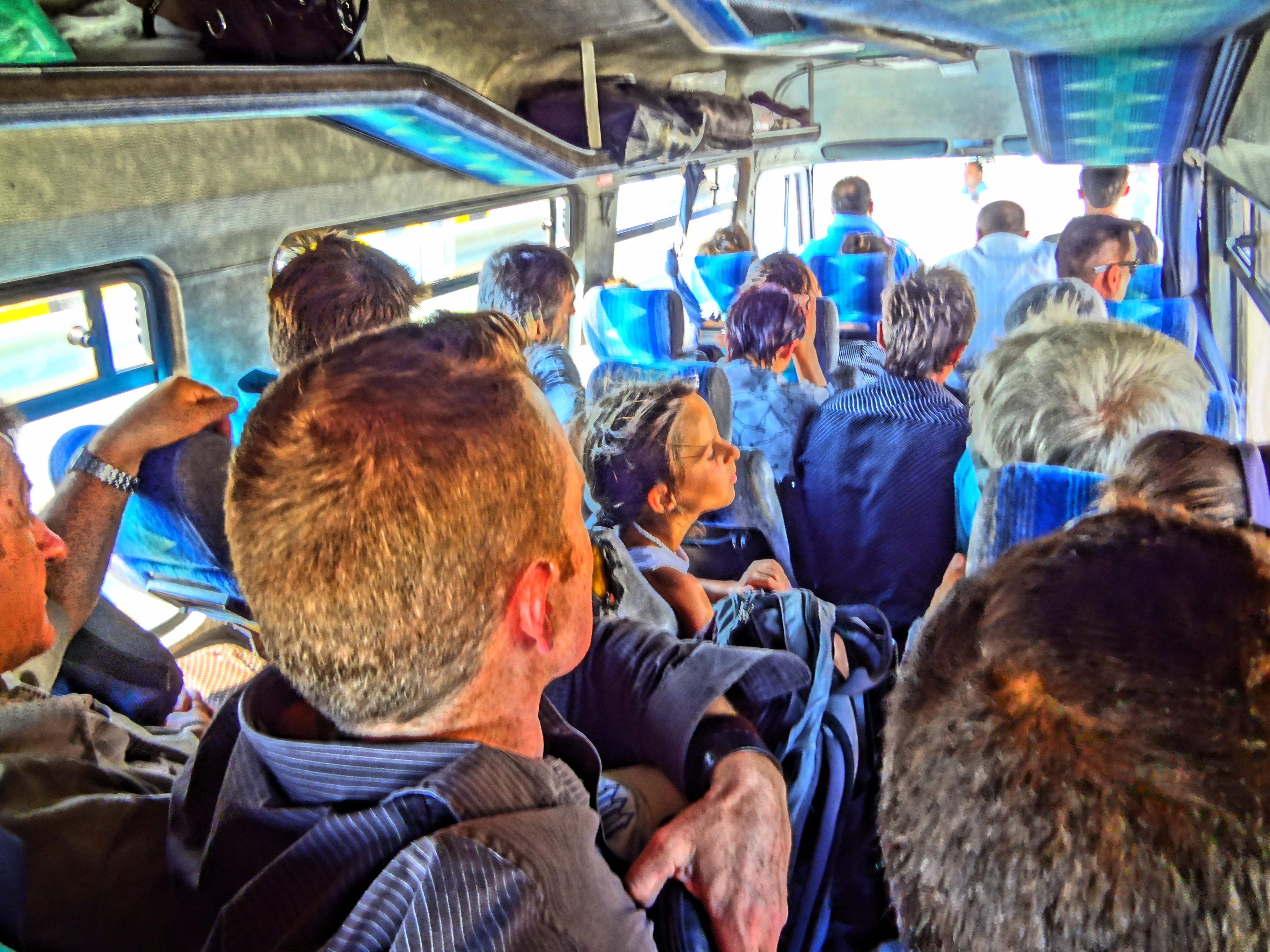
The trip from Fushekruje to Maqellare takes between 3 and 4 hours depending on traffic and the time of day.  Our driver was determined to deliver as many people as his forgone would hold in as little time as possible.  With Fatjon’s sister on his lap, and stools deployed down the aisle way for additional travelers, we wound our way up and down the twisting roads of the alpine skirt; stopping neither for vomiting passengers or road obstructions.  As frequently as stretches of these highways wash out, it is surprising that they have not all been replaced with tunnels.

Image

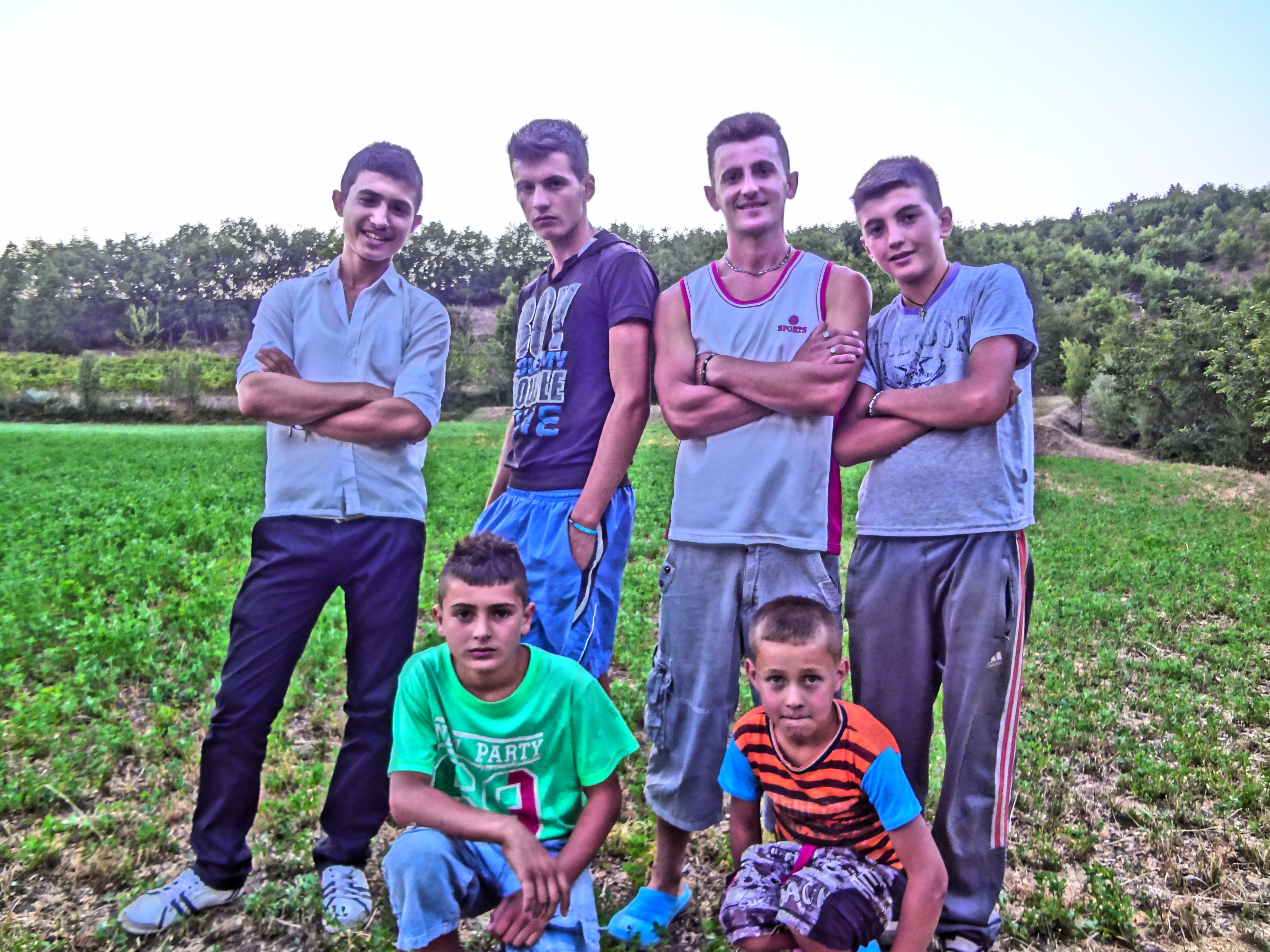
Fatjon had not seen his grandparents in three years, but Maqellare is full of people related to his mother, so on the way into town we had to stop at his cousin Alban’s house.  From his back porch he pointed out to me the mountain dividing Albania from Macedonia.  Alban spent five years in Italy, working at a fire-works production facility before returning home with enough money to begin a proper life.  Fatjon later told me that due to special relationships with some people in Rome and Casserta, most of the boys of Maqellare will one day work in Italy.  They will return as men to claim their birthright, build a house, and take a wife.
Image

Fatjon’s grandfather is a woodsman, and his grandmother is a traditional Albanian woman.  Rifan will leave the house most mornings at 4AM.  His trade is to clear and gather wood from the surrounding forest lands for people to stockpile for the coming winter.  I found myself covetous of his homemade hand-axe.
Image

Hajrie cares for every need of the house first.  Metaphors are difficult when it comes to Albanian women.  If society is a body, then Albanian women are the red blood cells of that body.  Their work in and for the body is never completed.  They are constantly delivering oxygen to any part of the body that needs it, seeking out and ridding their surroundings of weaknesses or things out of place.  They also make really delicious bread from scratch.
Image

As we settled in for the evening I was once again in silent awe of the love and respect Albanians give to strangers and travelers like myself.  Making every effort to show the greatest care comes as naturally as breathing to these beautiful, strong, people with huge hearts.

Image

Meet me

In Ljubljana

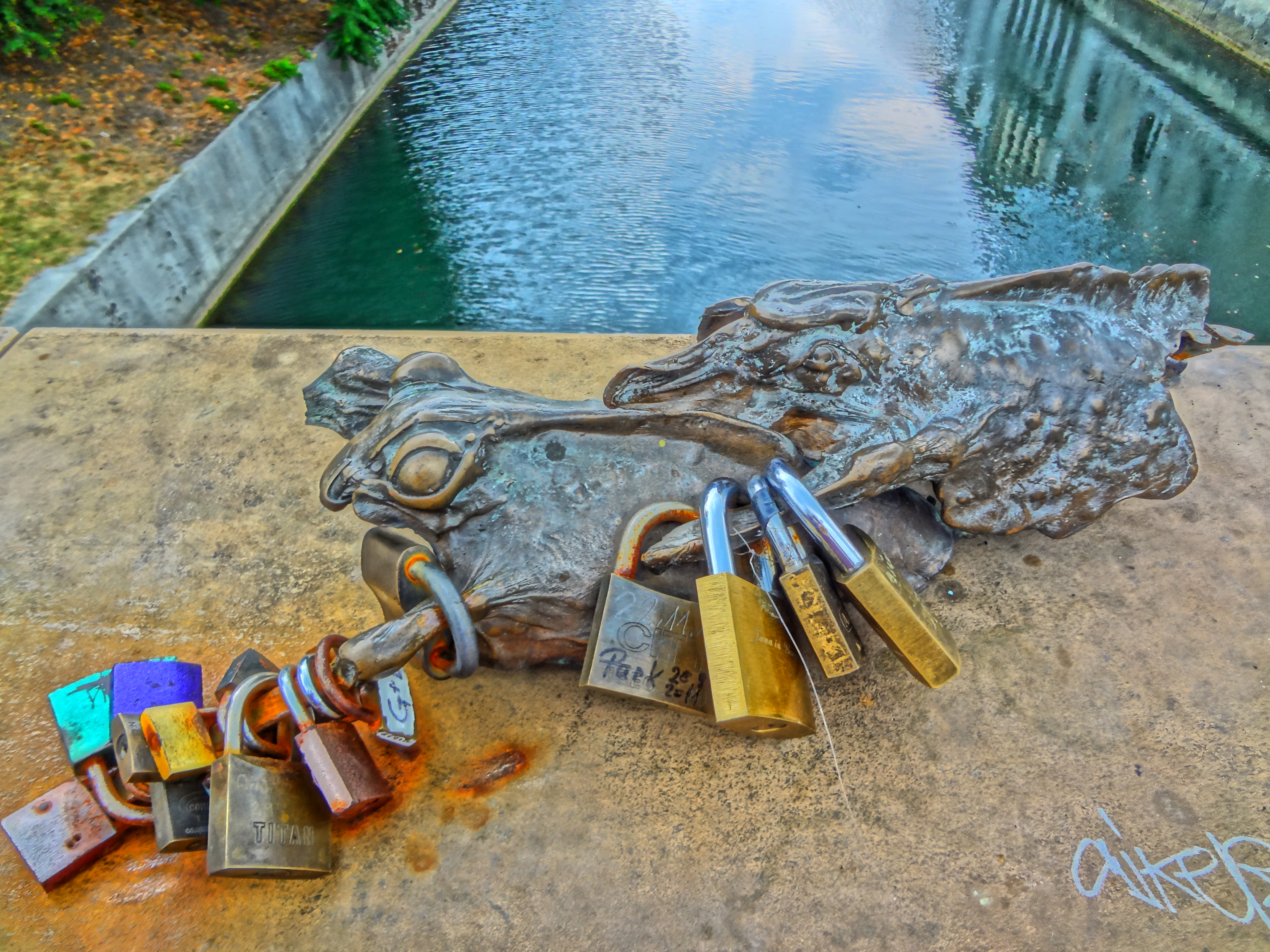
The Butcher’s Bridge

Where Hebrew and Greek

Image

Cower and dance

Airing livers, hiding from God, ashamed

Hiding together

Suffering alone

Image

God sends clouds like to drown

Dogs and men

Trodding wet paths

Blind from rain

Image

Calmed by faith

Inspired by a passing beauty

To warm, write and tell

Of drowning wonder

Image

Joshua Hughes

8.17.2012

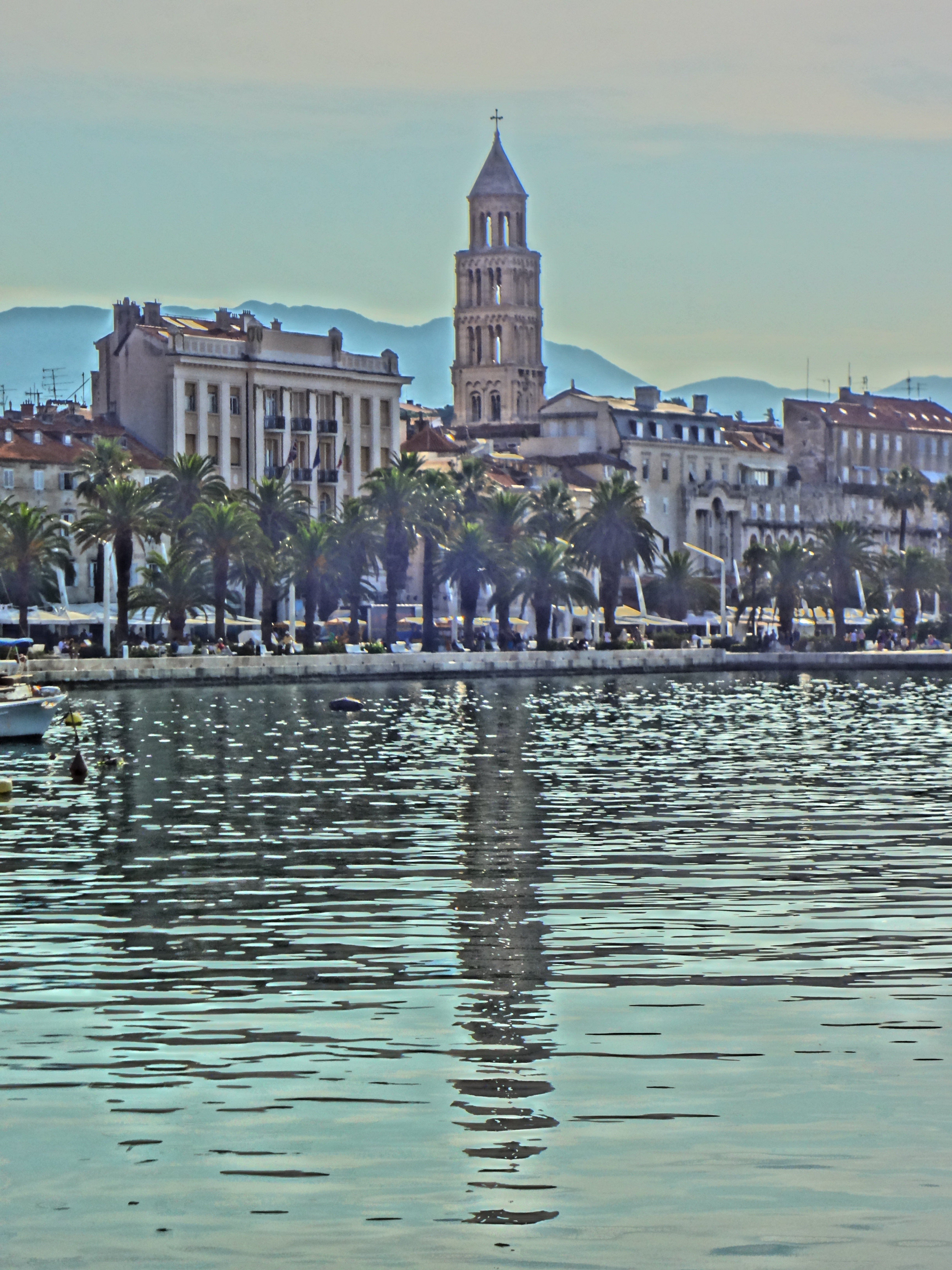
So, there I was, Split, 2012.  All I know about this city is what I have gleaned through coursing over the walks and step with my Solomons.  I have only enjoyed one place in all of my travels as much as this one, and that place was called Palermo.  Palermo and Split are both coastal cities, both are accessible by rail, tire, air or ship.  They each have a collection of friendly stray cats, salty sea air, and excellent sea food for a good price.  Neither Palermo nor Split draw the big crowds from the States and if one were going to visit only one city in either Italy or Croatia, it probably wouldn’t be either of these smaller, less publicized port towns.

Image

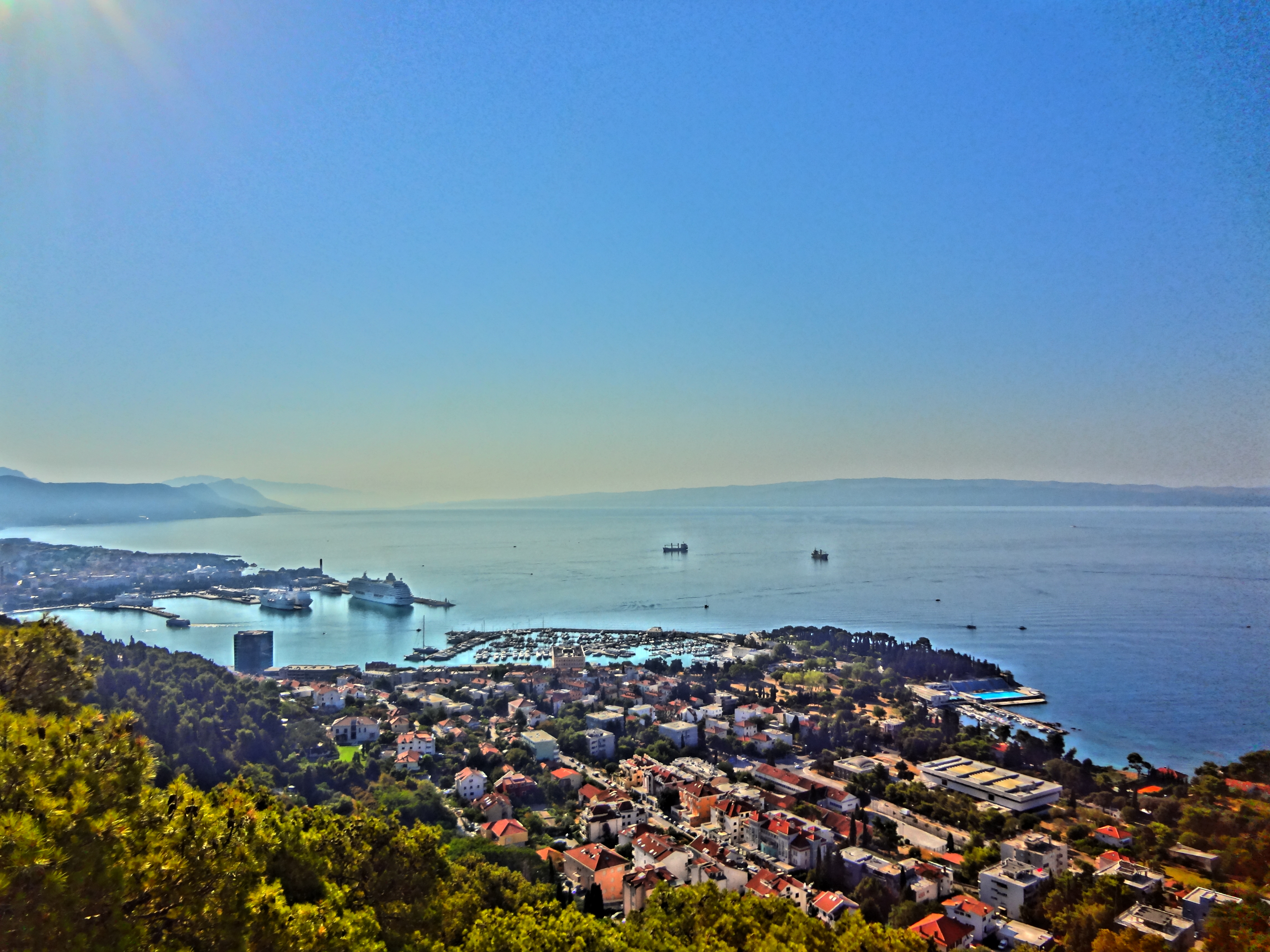
Near the Church of St. Francis or Crkva Svetog Frane as its known in Croatian, there is a beginning to a great stair case.  110 steps up the hillside is a cafe called Burn, from which there is a commanding view of the harbor where the cruise ships come and go from as near by as the Croatian island of Solta, and as far as the Italian coastal city of Ancona which is a port with services to Durres and cities in Greece as well.

Image

There is a relatively steep incline after the cafe which does not have steps, but has been designed for wheelchair accessibility.  At its terminus is a small stone church called St. Nicholas.

Image

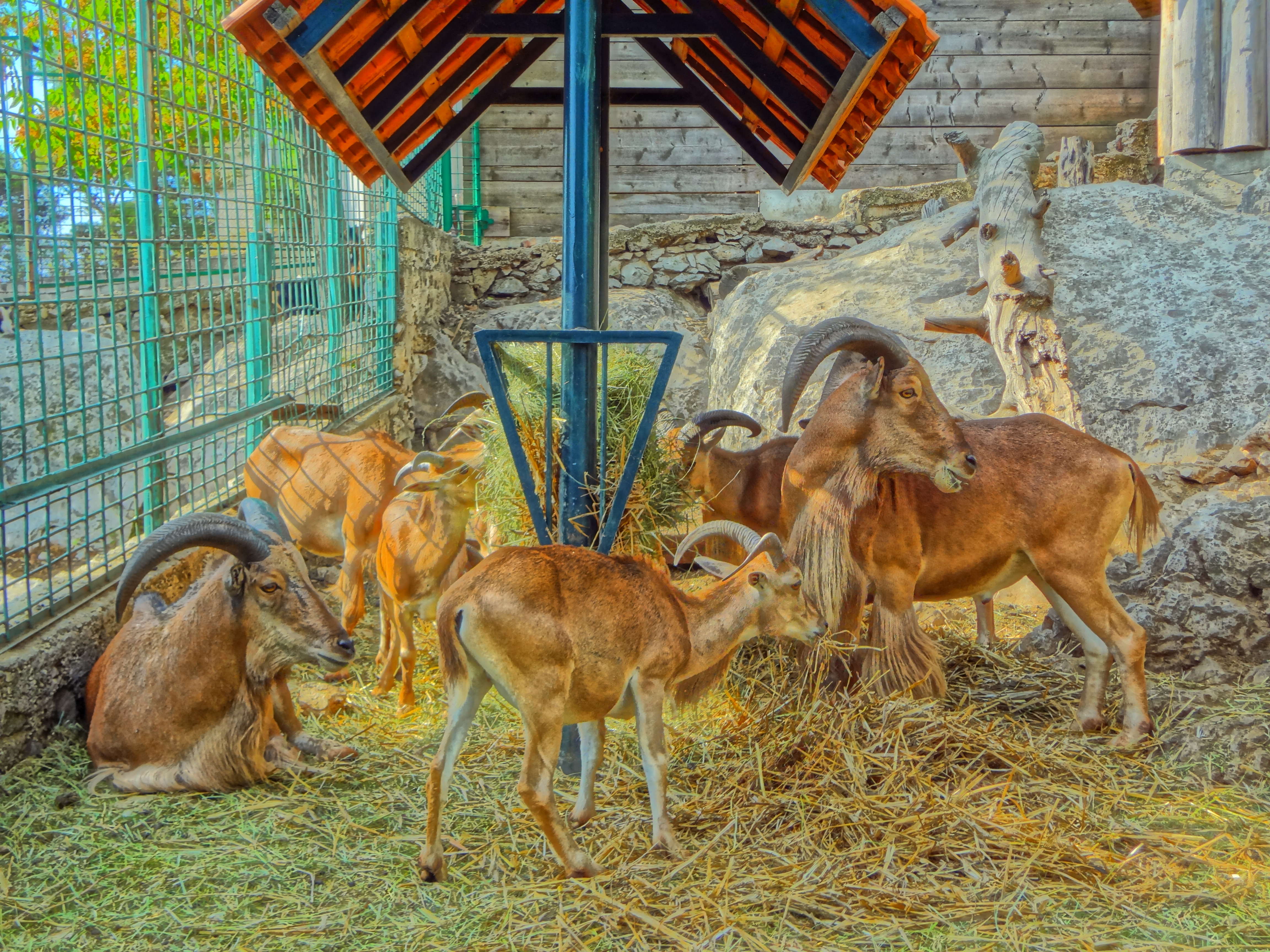
Another 185 steps will bring you to the zoo.  The terrain, a hillside consisting mostly of rugged salt-stone, provides a beautiful venue as well as a good environment for the animals there.  At 8:30 in the morning I was the zoo’s only patron.

Image

The animals seemed healthy, energetic, and well cared for.

Image

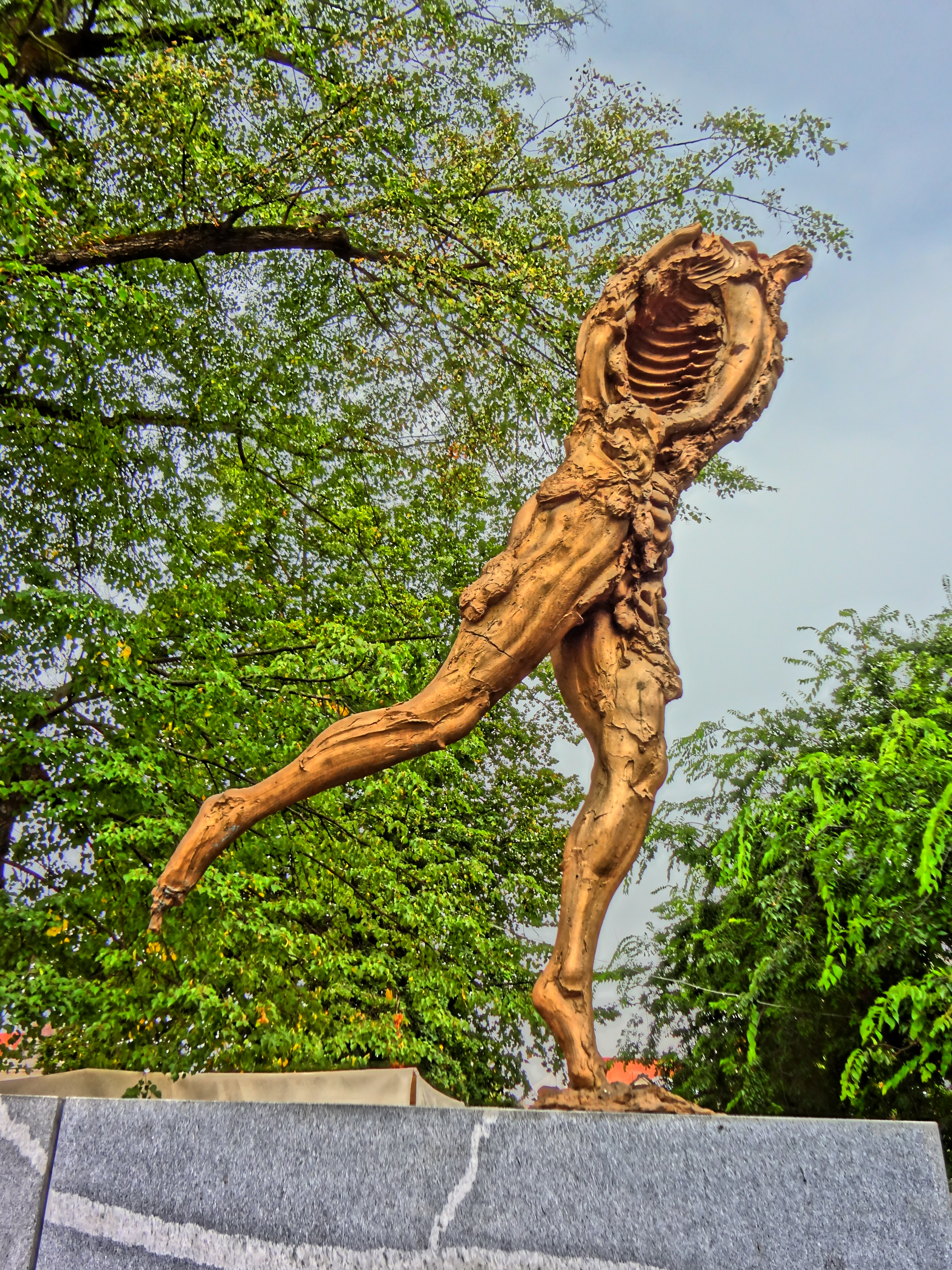
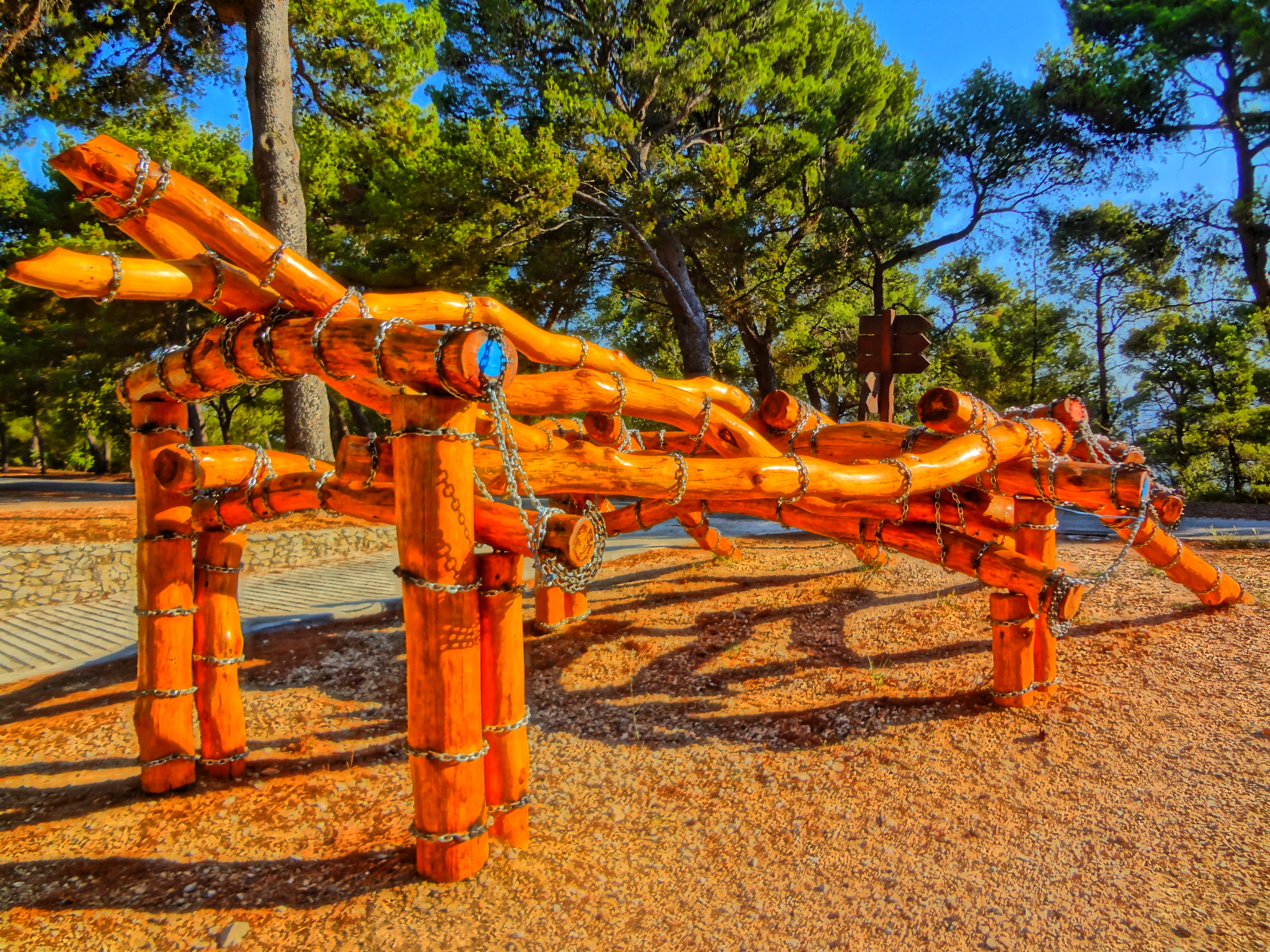
Beyond the zoo, between stair cases is a bit of flat land with a park.  The dry wild pines and laurels stand for shade all around, giving the air a pleasant scent.  Two great cages have been put up to house 7 meter-square stands of lavender and rosemary.  Park benches are scattered throughout to offer rest, and nearby there is also a small, tiered, amphitheater for the staging of intimate performances.  A sculptor has chained together a collection of varnish-sealed raw wood, de-limbed pines into giant organic shapes which invite you to inspect, admire or climb them.

Image

Lastly is a 314 stair incline to the top of the Marjan park’s great hill.  From there it is possible to see all three of Split’s harbors, the stadium, and the beaches set aside for swimming and small pleasure crafts.

Image

There are so many things to see in this world, so many places to go and find more of God’s blessings to the children He loves.  Today I will be taking a bus to Slovenia.  I have heard great things about that tiny country.  I will remember Split with a rare fondness, and I hope to share more of what I found here with you when I see you again.  Love,

Joshua

My Uncle Norman and I met with a great deal of regularity as I prepared to leave home for this trip.  I shared with him that one of my fears was that I would somehow miss what I was supposed to accomplish; that my success depended on decisions I felt ill-prepared to make.  My uncle comes from teaching stock, and at one time I was his apprentice.  He will instruct when given the chance and has every love for me.  After hearing my fear he leaned forward and said “You are about to sit down at a table where on one hand you will have a great steak dinner.  On the other hand there will be a great spread of lobster.  You can’t eat both, but either way you are going to leave the table full.”

Image

I am not a picky eater as a rule.  Although fast food is off my to-eat list, in someone’s home or at a restaurant I generally am satisfied with whatever is provided.  On more than one occasion I have left it to the waiter to decide what my meal will consist of, I ask them what they like and that is what I order.  Yesterday I tried this same tact with the man behind the desk at my hotel.  “Is there any other place up the coast you recommend?” I asked.

Image

“You can take the bus to Split,” the man replied.  “There are boats to take to the islands and its very nice there.”

Image

“Does the bus go from here to Split?” I asked.

Image

“There is a bus every hour or so.”  The man told me.  So I walked to the bus station and bought a ticket for Split.  I had no idea how beautiful wide the serenity of this place was holding for me.

Image

Atop a cliff overlooking the Adriatic Sea, along the Dalmatian Coast, is a highway.  The bus from Budva to Dubrovnik winds its way north, dividing its span between small villages slightly inland and mountain goat’s eye views of coastal towns and the deep blue over 100 feet below.  It is a trip too fascinating to be frightening.  Along the way I met a man named Tom and his lady friend B; Cambodian Australians from London.  Walking along the street I have heard Italian, Russian, German, French, Croatian, English, British English, and a number of other tongues I haven’t the knowledge to identify.

 Image

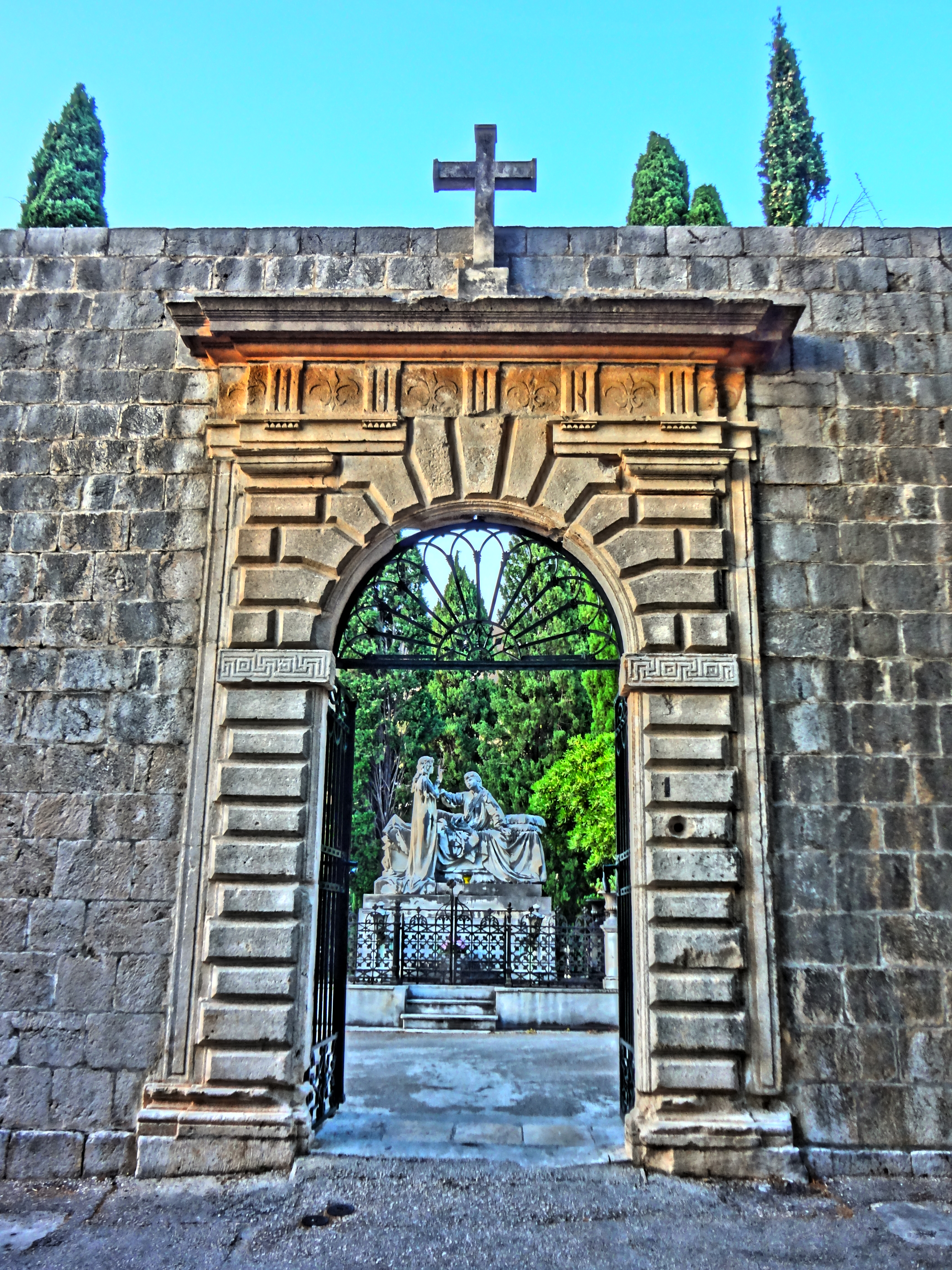
The sun was near setting as I made my way past the touring/restaurant barges moored along the eastern shore of Uzala Gruz (Gruz Bay).  By the time I made it to the top of the hill between the neighborhood of Gruz and that of Grad, I only had ten minutes to satisfy my fascination with a great-walled cemetery.  The tombs, it would seem, are available for purchase from time to time as old bodies make room for the new.  One granite box might have the name of over two-dozen people etched into the side of it; listed sequentially by year of death.  

Image

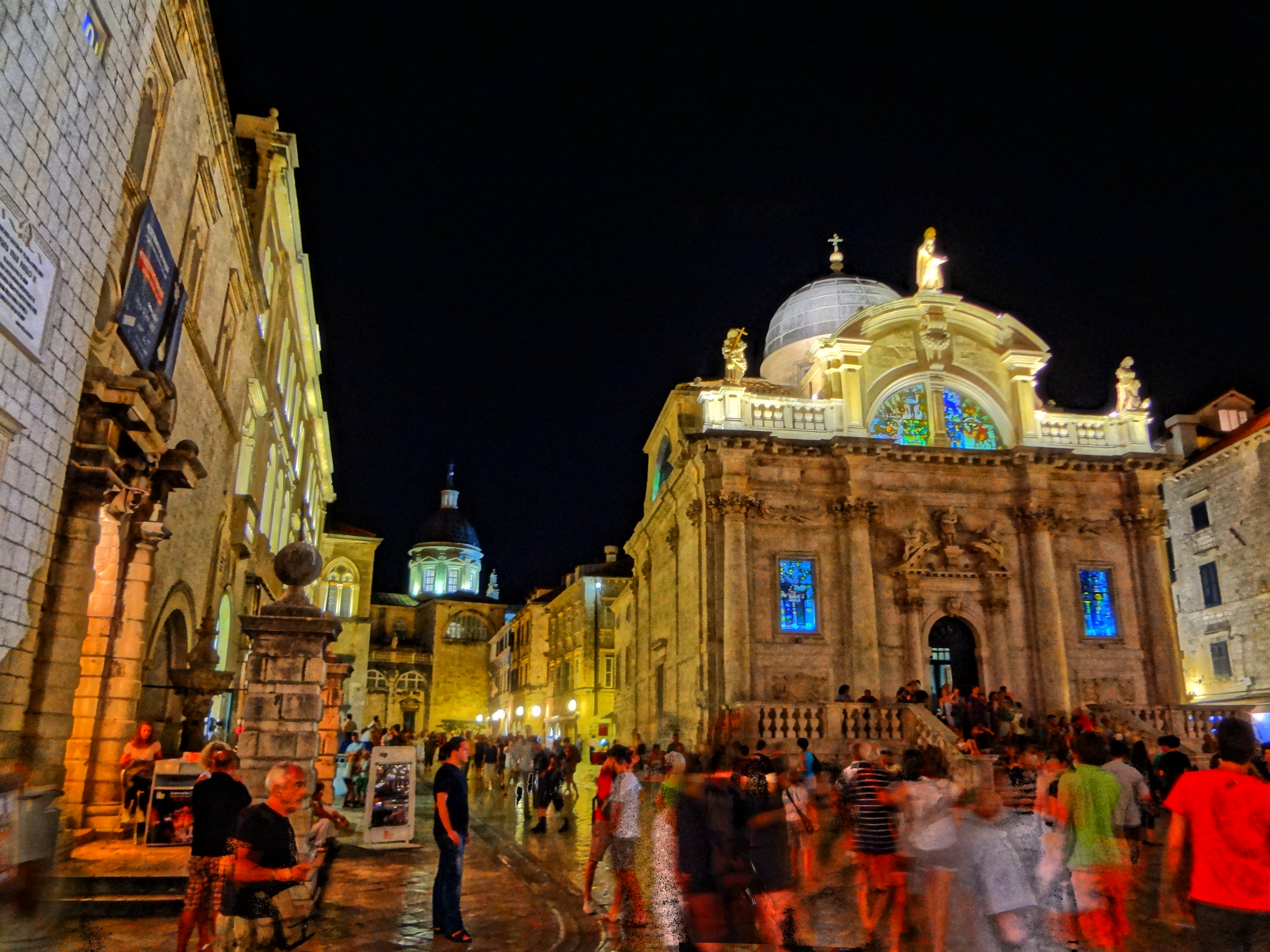
The sun was down as I made my way to Grad, Old Town the maps call it.  There I found the streets crowded with tourists and the sights beyond counting.  There is less statuary in Dubrovnik than in Rome, but the idea seems to be the same.  It is a stone stacked treasure house, a living masterwork of vision and prestige.  Walking around I felt like a peasant seated at his first lavish banquet; not knowing which of the nine eating utensils to pick up first.  

Image

I took to wandering, mostly, heading up or down whichever small corridor or alley way held promise of being less discovered by the throng.  Some solace was at hand.  A nearly abandoned courtyard with a great fountain of spitting fish.

Image

The bitter piece of coast between Old Town and the Fort Lovrijenac.

Image

The color shifting passway under the bridge into the fortress.

Image

But soon, back inside the city called Old Town, I happened upon a church with piped chanting echoing overhead, and I sat.  

Yawning

Put my hat on the

Knee of a leg crossed

Listening to squabbling nesters

In the fine stone arches

Of your house

The Latin chant rings

In the sorting my mind needs

Put away my camera

And pick up a coin with a 

Fish to worry with 

My thumb

From one of the rose 

Marble squares quilting

The checkers under foot


This is a mish-mash house

Bits of treasure

A dozen centuries of craft

Humans well meaning

Like the chirping rafter rats 

Pecking a nest together

Out of rich loose findings


Joshua Hughes

8.12.2012

Image

City stone

Wed to ageless cliff

Battered rock

Jutting granite scabs under slabs

Safely placed behind

Towers engineered for murder

Image

Scarred relic by the sea

Skull set fast a bony thing

Scales both blind and anchor fixed

Sacred gemstone of the shore

Sacrum fused by wind and time

Scale and shale armored prize

Image

Life teams

In wind swept cracks

Sand stiff like oats cut neat

Blue and blue alive the water

Cloud and break

A thunder deep

Image

Joshua Hughes

8.11.2012

Image

I often times have to curb the voice of my inner-American when conversing with my friends and coworkers here in Albania.  Last Saturday I was having a conversation on the telephone with Pastor Alban when he said “after this Sunday we will not have church for the next two weeks.  Many people are taking vacation in Albania right now.”

Image

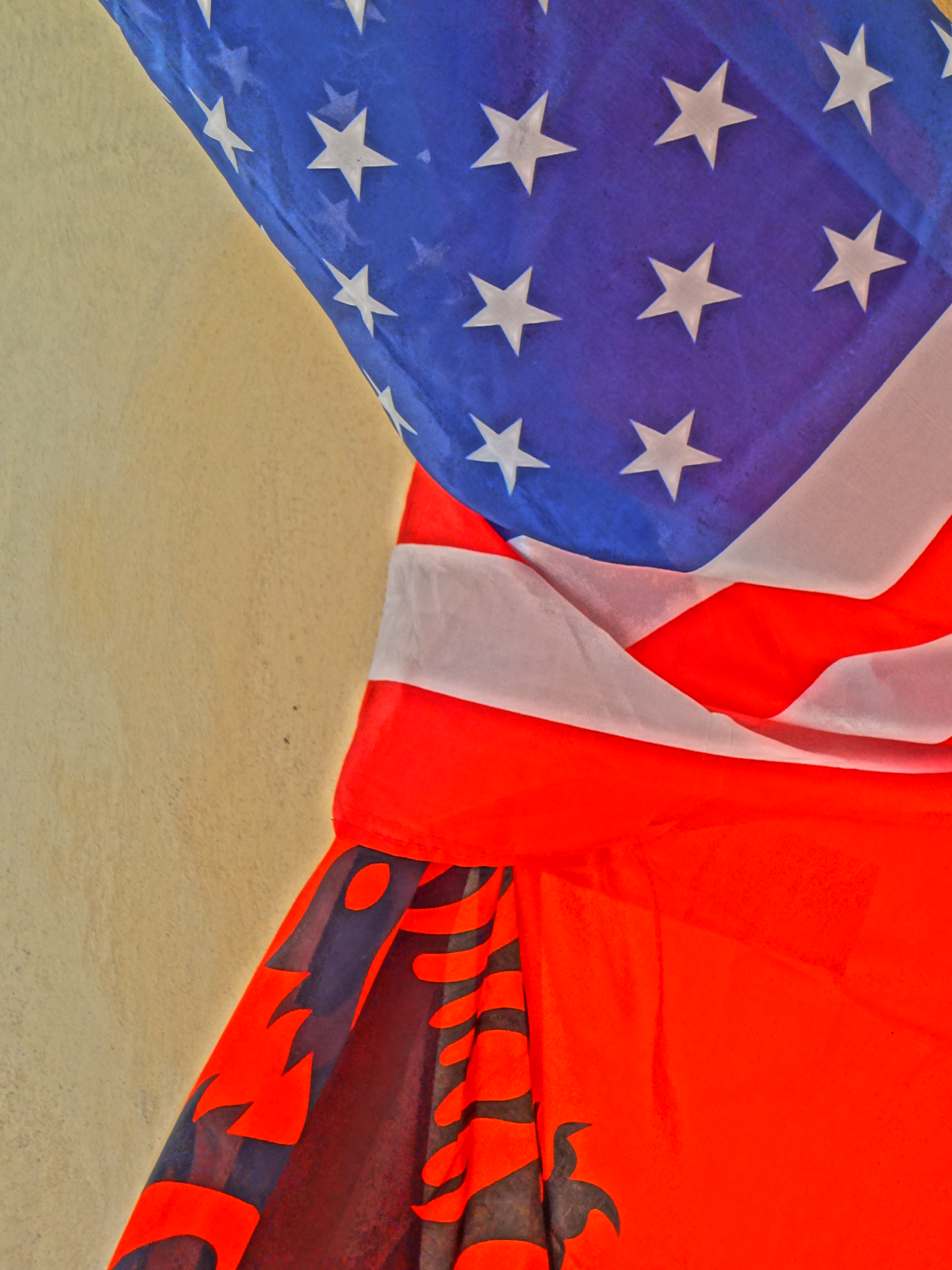
“Ridiculous,” muttered the red, white, and blue cloaked, cloven-footed angel on my shoulder “you don’t cancel church.”

Image

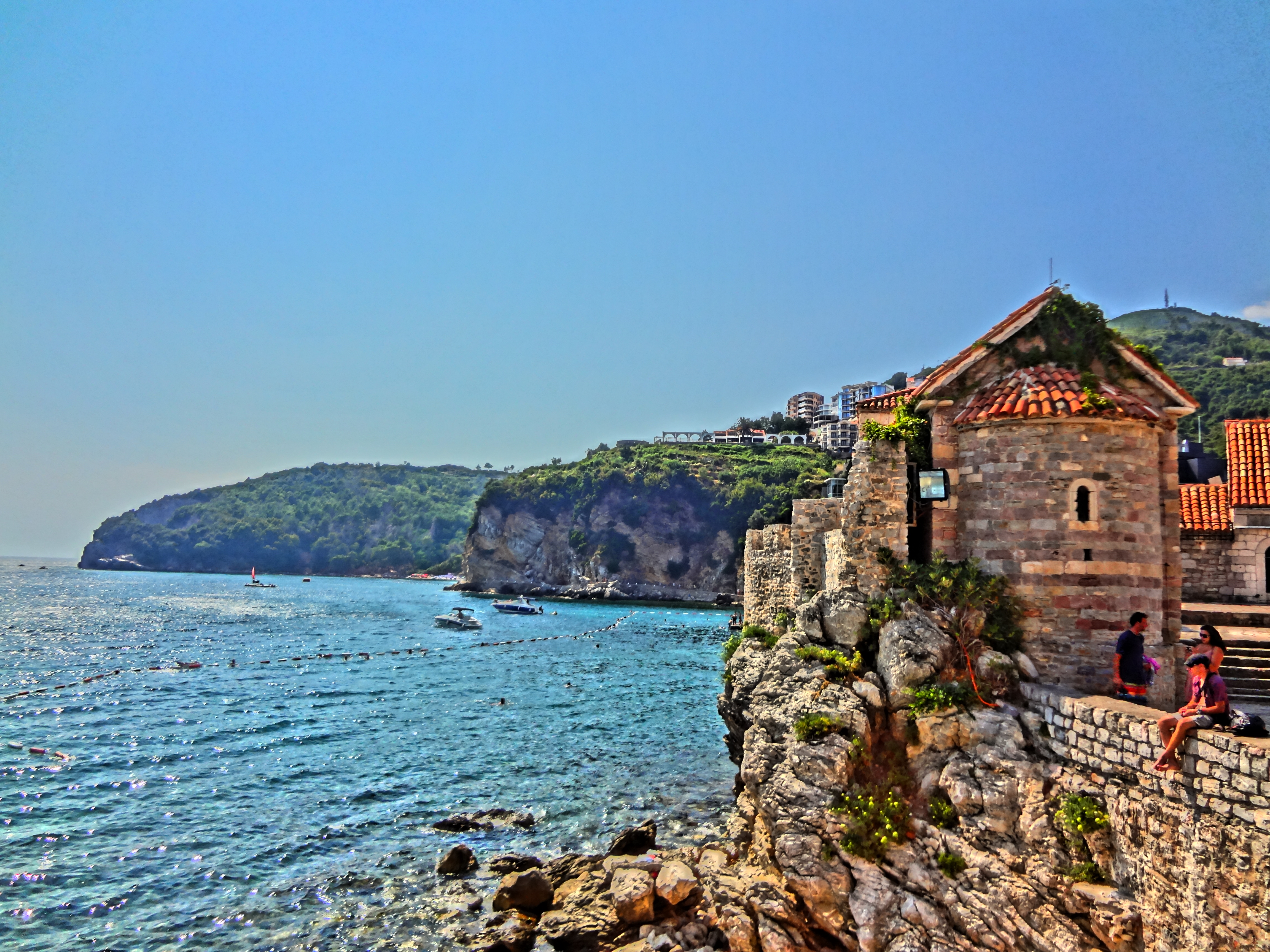
“OK,” I said, “you are the pastor and you know what is best.”  And of course he did know.  August is the vacation month in Albania and the entire nation, it seems, takes a two week holiday at the minimum before the kids head back to school in September.  My crew will not be working next week, and without a Sunday service to prepare for, I don’t have any duties to perform here.  Tomorrow morning I will be taking a 6AM bus to Montenegro, and from there, who knows?  I like the freedom of knowing when I need to be back, but not having restrictions to my travel other than that.

Image

We left the job site a few steps closer to completion today.  The most important pieces left for us are the completion of the gabina (back up generator shed) and the mur (wall around the property).  The gabina has a foundation and the slab-on-grade as well as the surrounding sidewalks, now we just need walls and a roof.  The mur was poorly built about four years ago and as a result has begun to tip toward our neighbor’s knee-high, weed covered property.  We have a design in mind to shore it up and give it a finish which will make people only notice how sturdy it looks.

Image

The crew needs some time, I think, and so do I.  The heat, coupled with the addition of another crew on the job site over the past few weeks has made everyone a little cranky.  My cloven footed angel mutters more often than he should; sometimes so loud it is as if he is speaking with my voice.  Visiting some cities which are hailed as timeless coastal treasures and swimming in their seas should put out my angel’s flaming pitchfork, and return him to a more relaxed, patient demeanor.

Image