Archives for category: Uncategorized

The effort in Fushekruje has been an undertaking of many years.  I get more of the story all of the time, a piece here and a piece there.  One of the pieces I got on my trip with Kurt Plagenhoef to Kosovo was that many of the families who came to Christ in Mitrovica did so as a result of the care and witness they received in the refugee camp during the war in ’99.  13 years ago the Plagenhoefs helped to care for and meet the needs of those displaced people, and now I am serving under them.  I am so very honored to be here.
Image

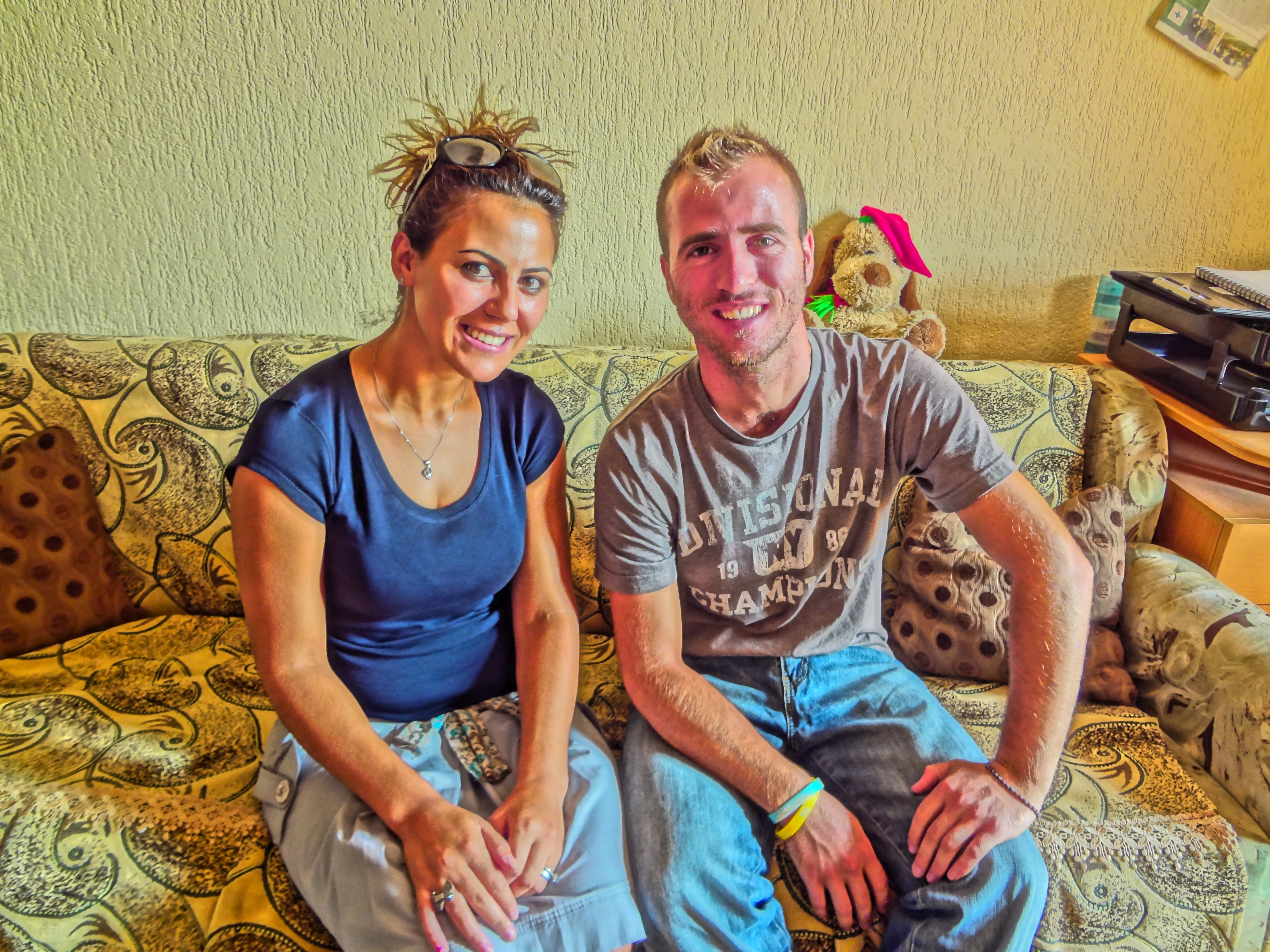
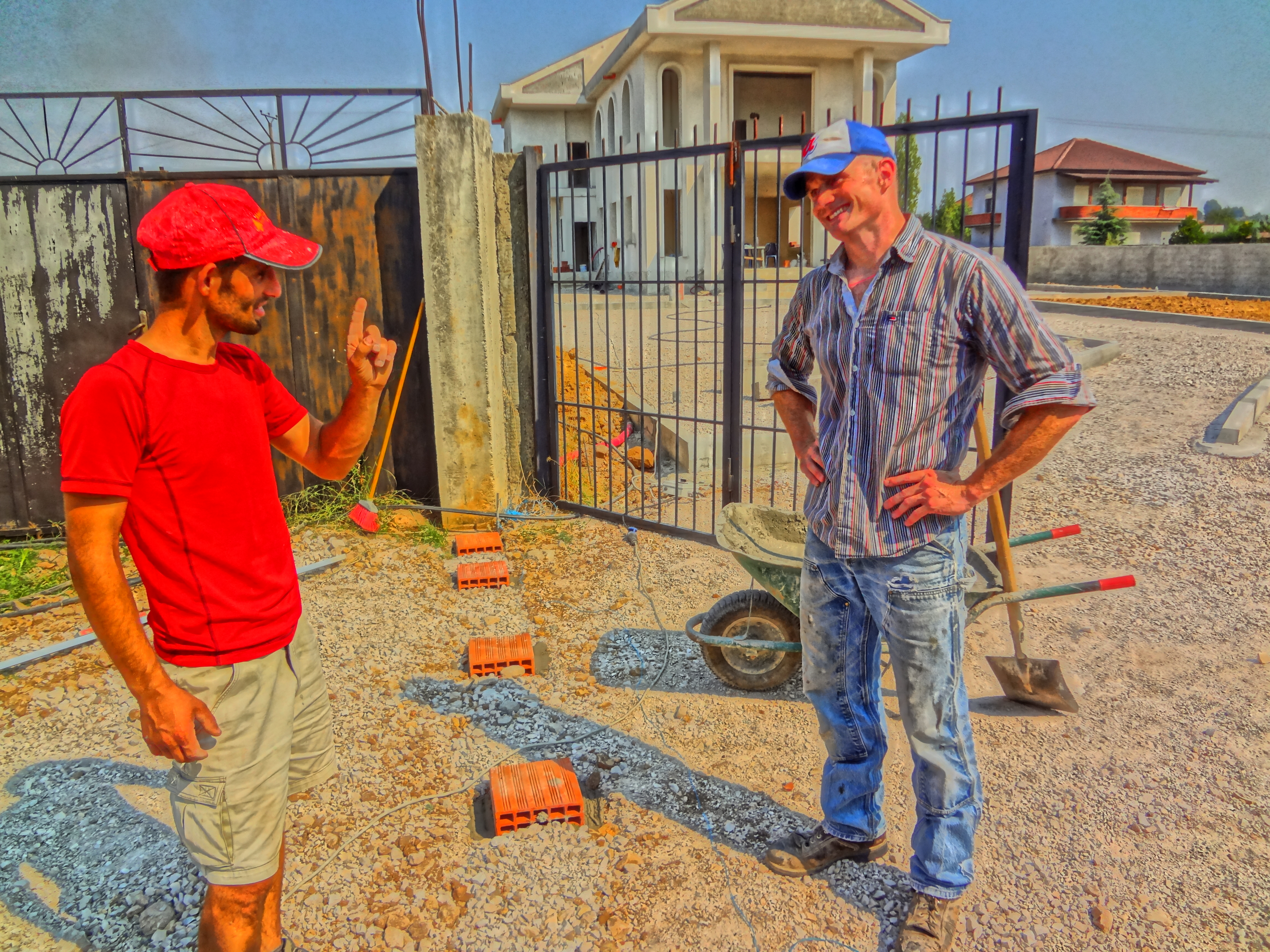
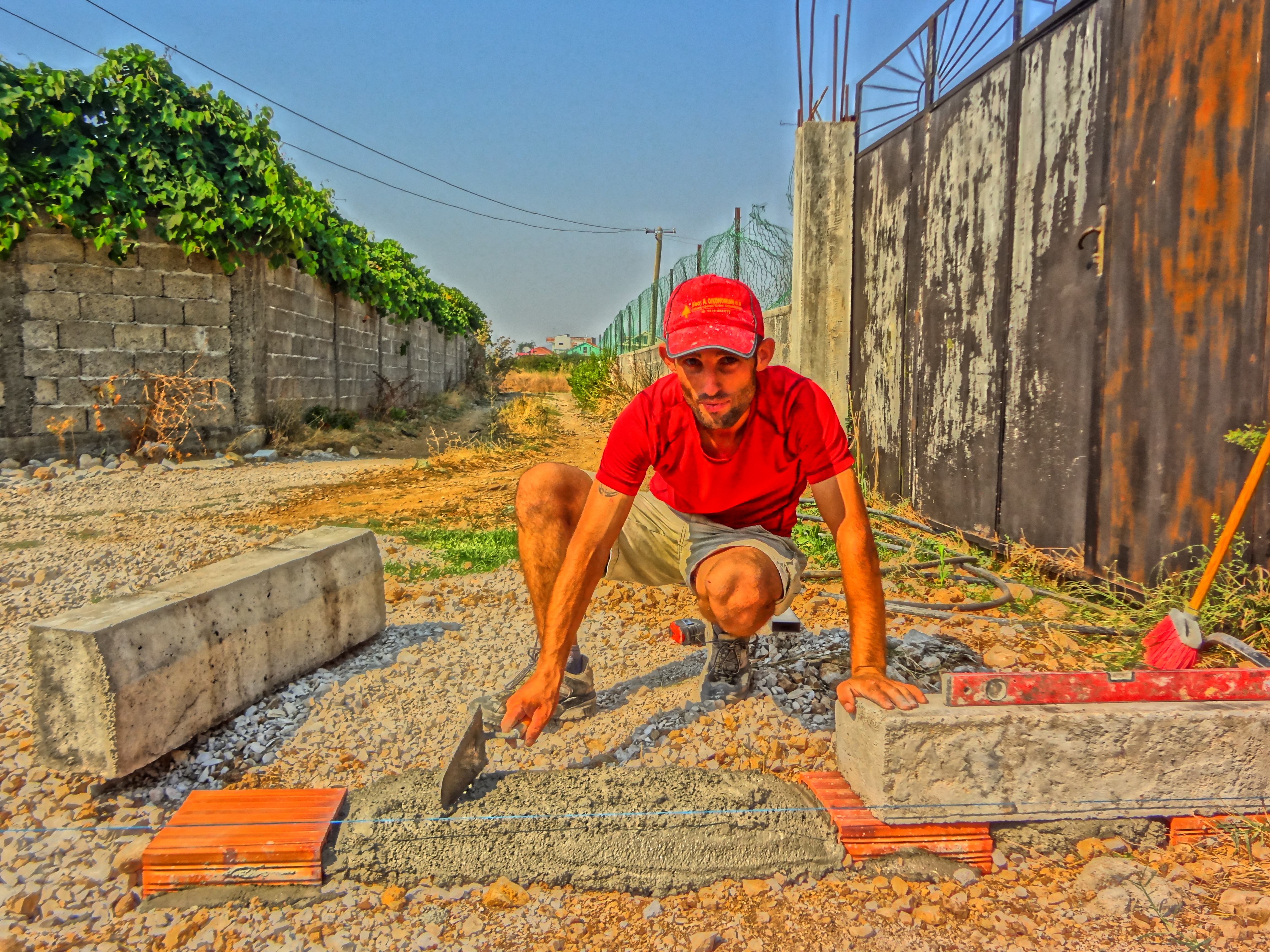
On Friday it was only Vissy and I at work, but of course we were not alone.  Fatjon came by to help and interpret.  On the road we ran into Alban Datsi and Kole, so we had coffee and some time with them.  It is amazing how many friends and acquaintances a person makes after living somewhere for five months.  The only reason I am able to make these connections and to do this work is because of the people who came before me, and the people back home who contribute to my ministry here.
Image

The family of God is infinitely complex.  More and more I am learning to trust.  The people under my care are the people God intended for me to care for.  Their need for care will not be greater than the amount of care I am capable of providing while still living within the boundaries of His law.  I am trusting that God’s plan is as present now as it will appear to have been in retrospect five years from now.  I am thankful to God for you, dear reader.  I pray you know the peace within His hand.
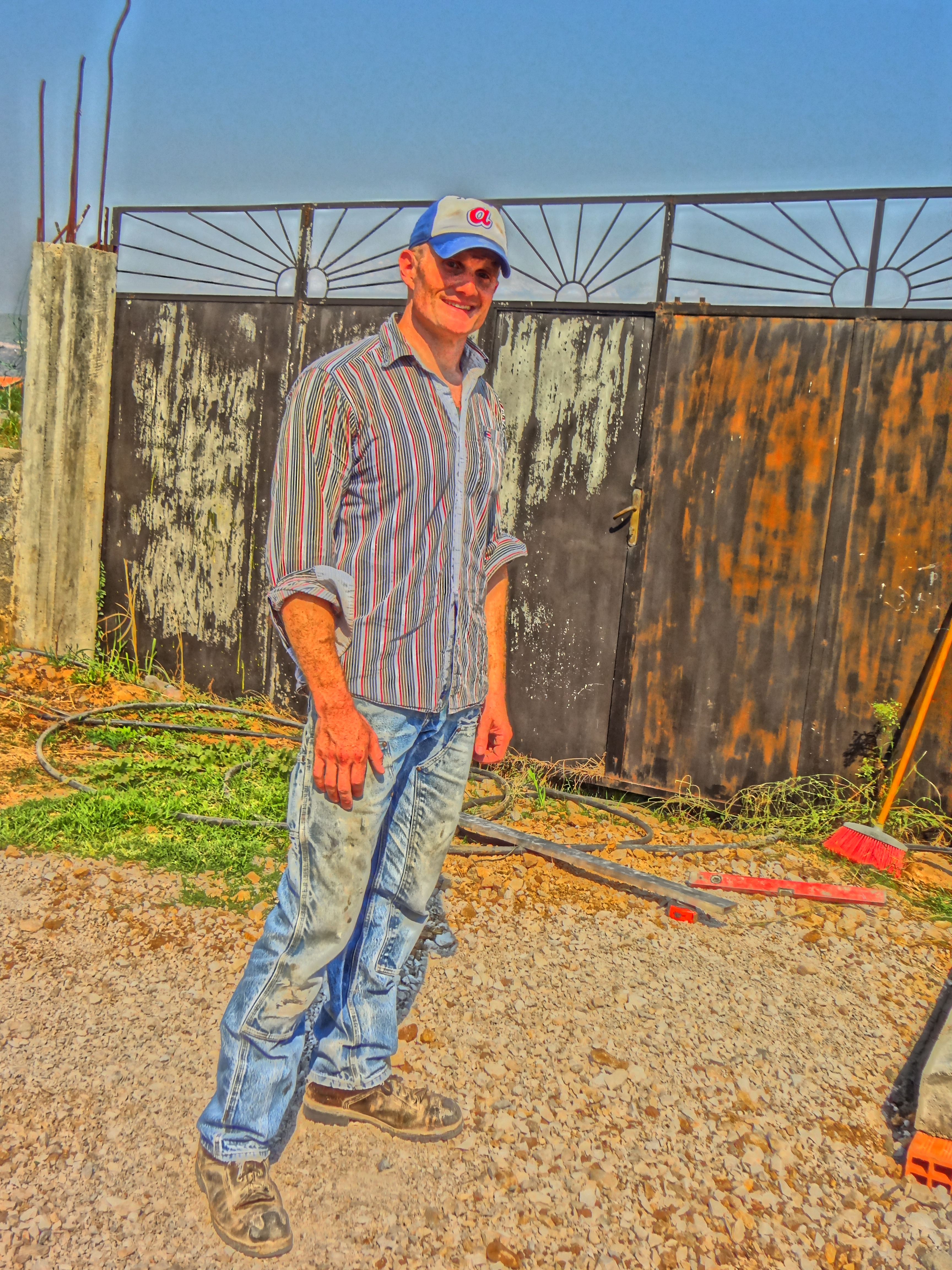
ImageDoes it all leave you to wonder what ground work you are laying now, for the Body of Christ to build on at some unknown time?  None of your efforts on His behalf are wasted.  Doesn’t it excite you to be a part of a saga as timeless as this?
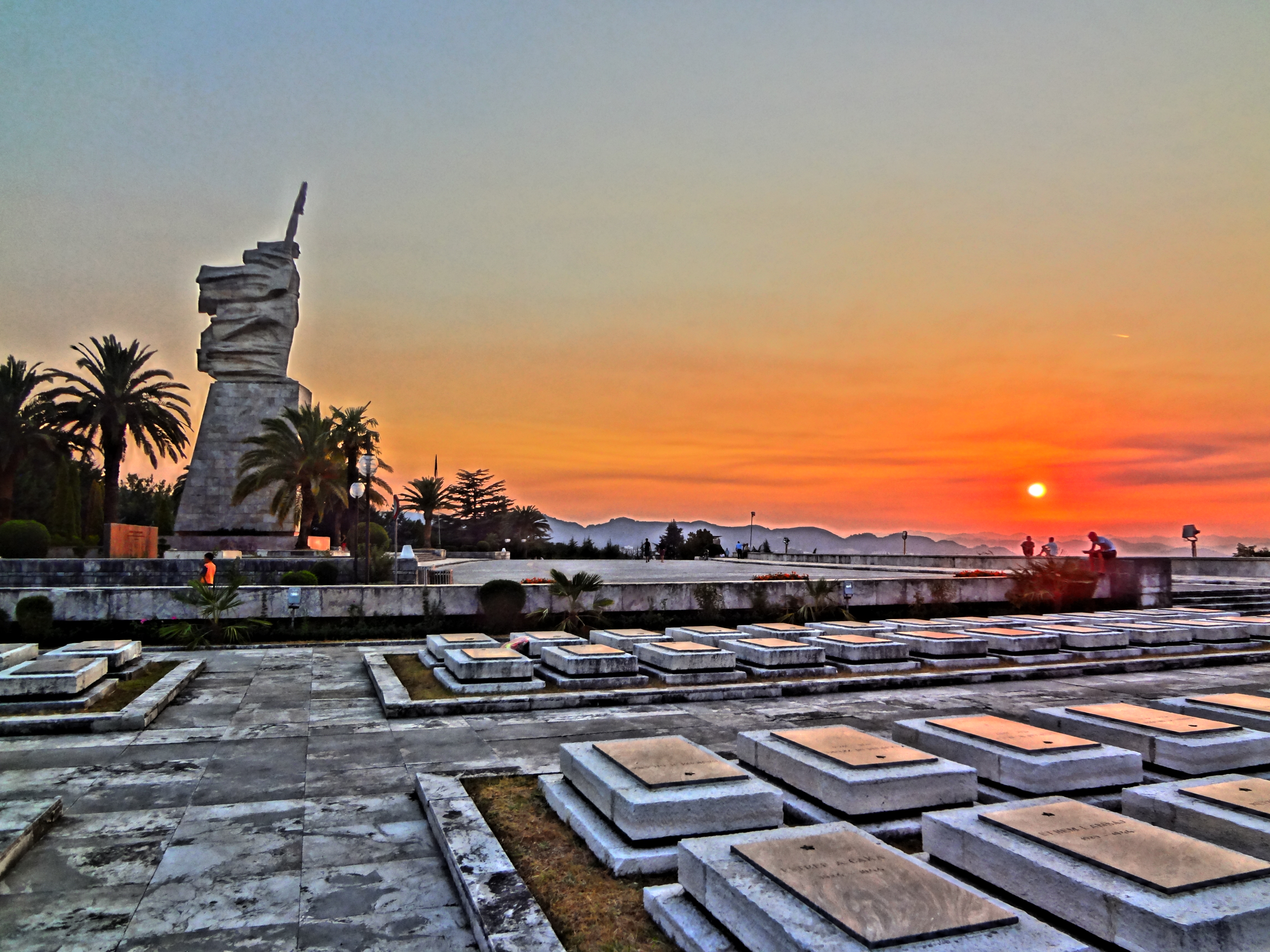
Off the bus climbing

A hill an abandoned

green-house six conspicuous young

Men hush as you

Pass the forest reveals

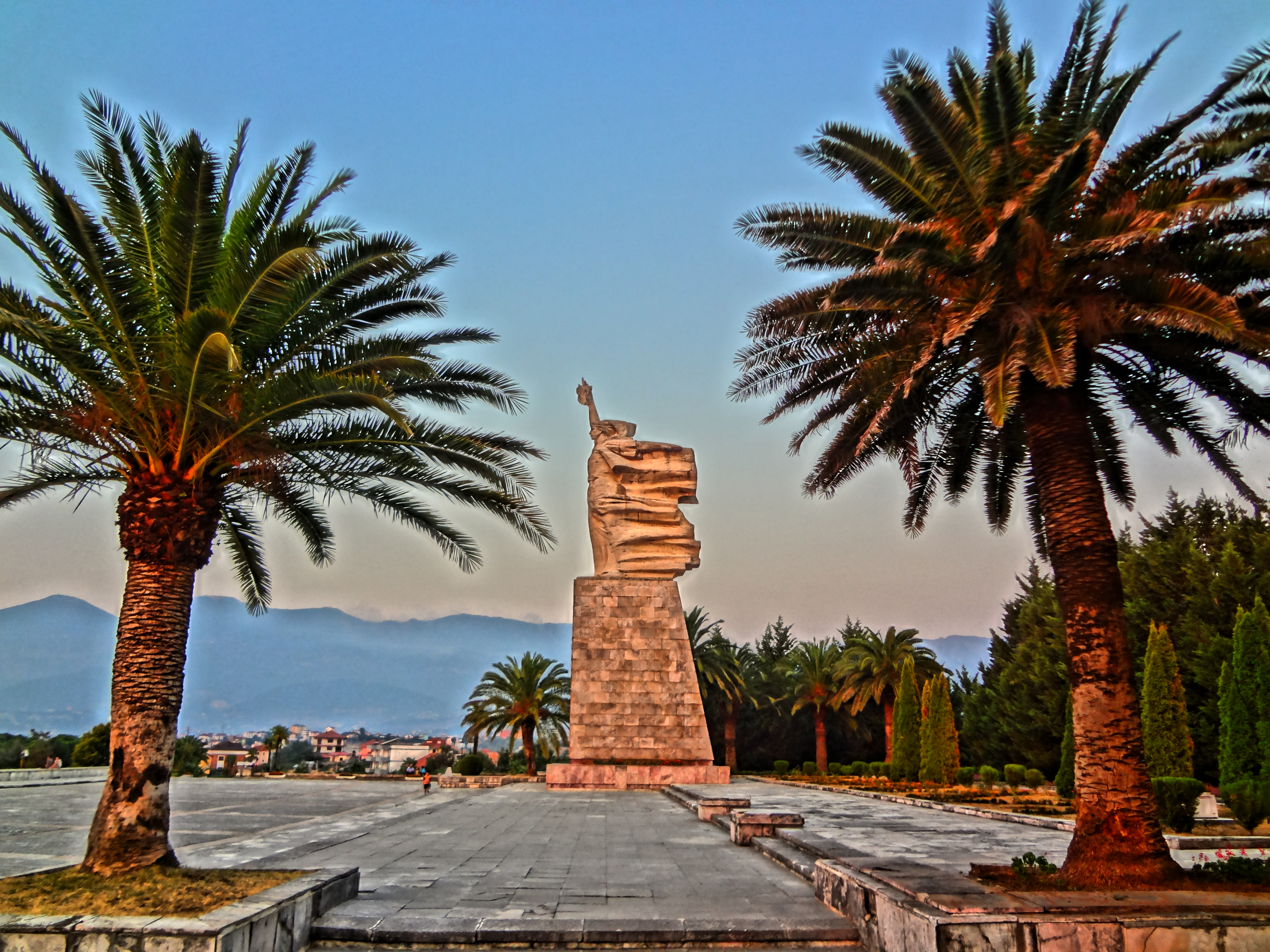
A park graves for

Soldiers stepped straight plots

Under the stone torch

Five-pointed star a woman

Fiercely defiant the police

Image

Man has removed badges

And weapons nods to

You foreigner odd booted

Man queerly dressed stranger

Another group of young

Men wielding great dogs

Leashed clean and healthy

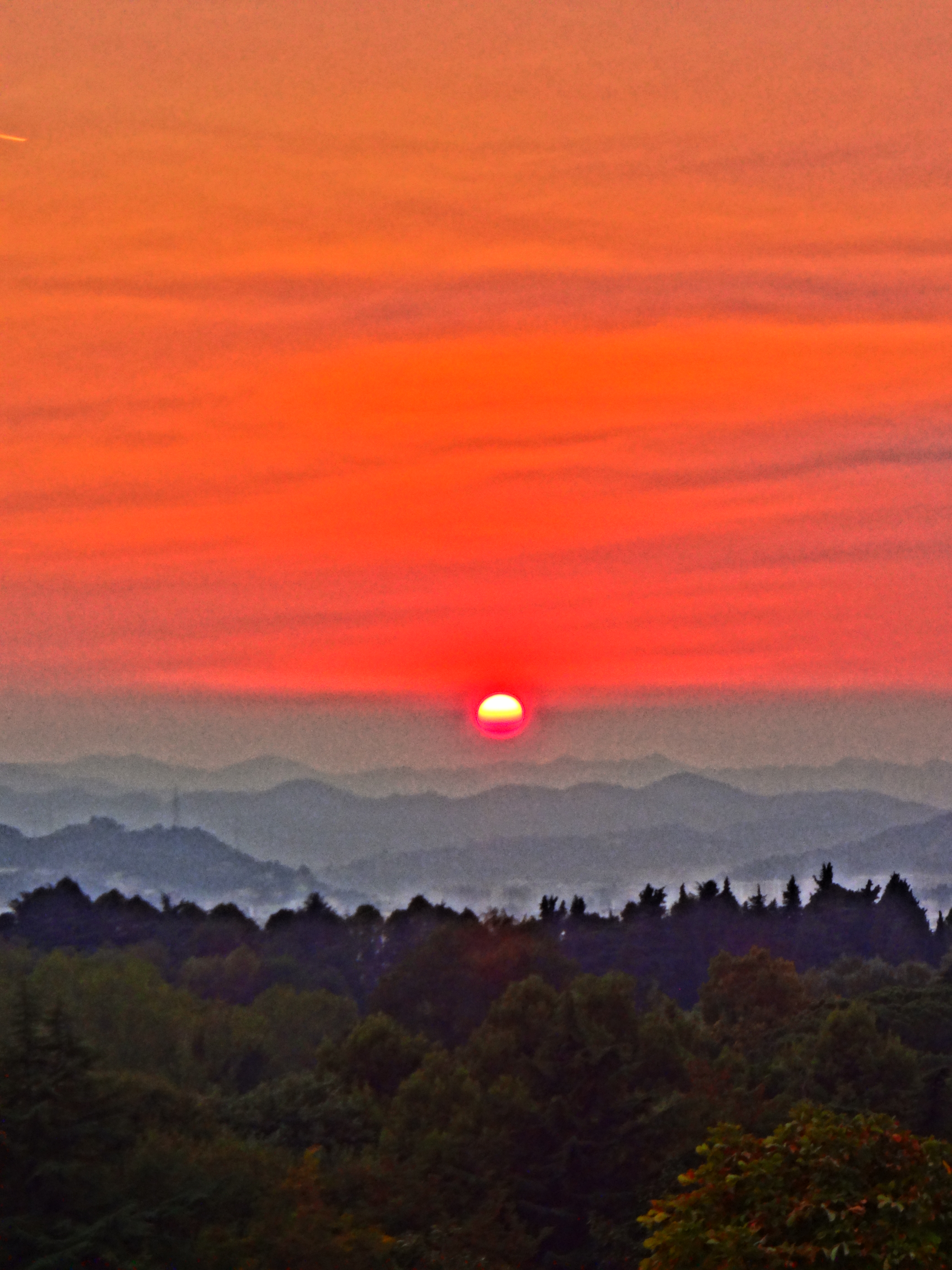
The sky is virgin

Rose stacked over autumn

Gourd bright ball blood

Image

Tongue wrapped forest fires

Filter most setting wet

Cement atop raw coal

Ancient ice heading back

Past the markers boys

Hide bong from sight

Bright blue garbage can

Watching do you care

To care down hill

Back past wrong stop

Image


Joshua Hughes

31.August.2012

In sailing, or any offshore venture, there is a lot of work with rope, twine, chain, and cable.  When using a rope there are always two ends.  One end is called the “working end.”  This term describes the end of the rope which has a loop on it or is tied to an important piece of equipment.  The other end, the end that is free and loose and frayed is called the “bitter end.”  My crew is working this week on the bitter ends of their work.  Another term for this kind of work is called a punch list.  We spent the day punching things on the list.

Image

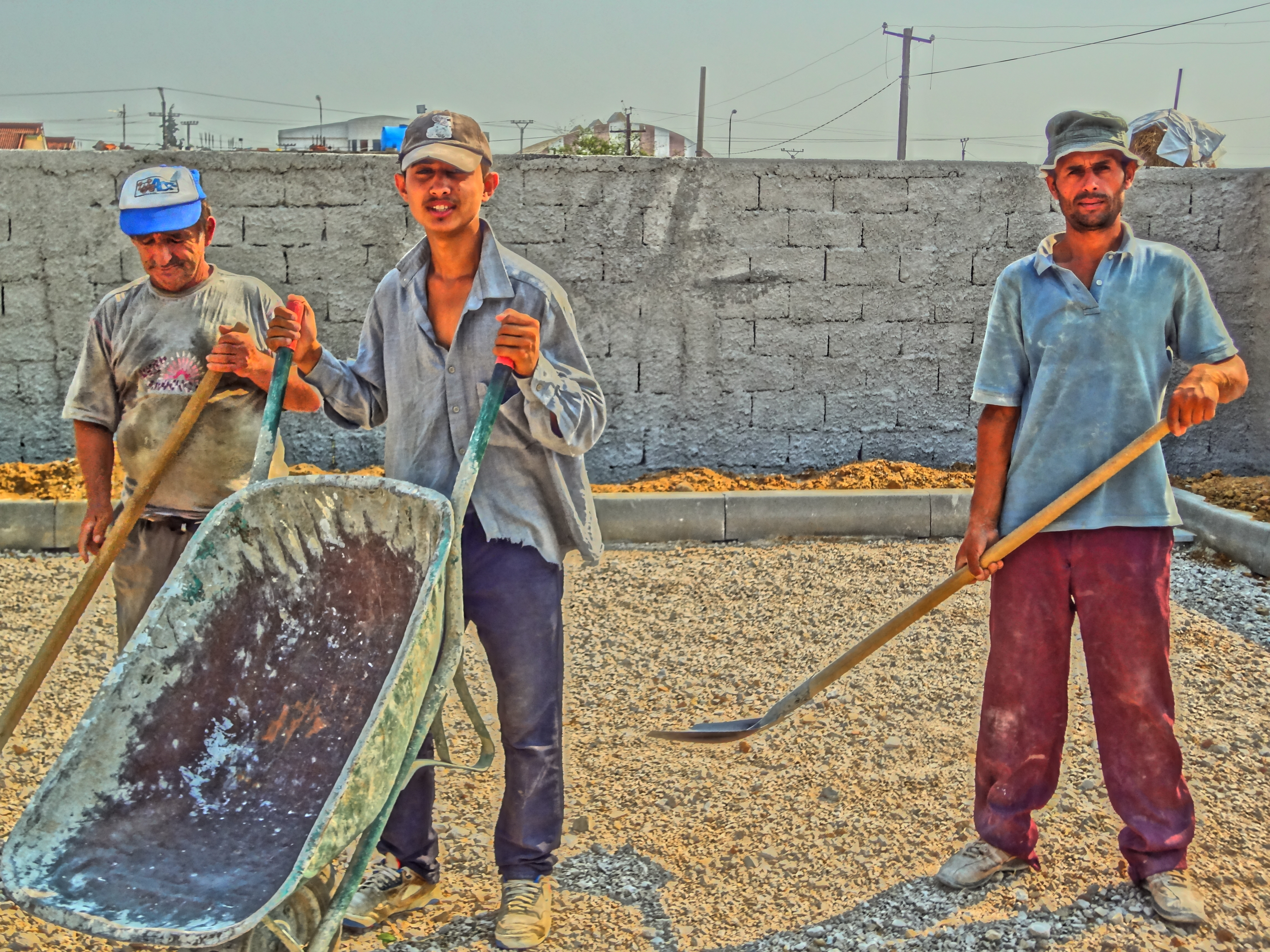
There will be a one-meter wide footpath behind the church which also leads to the sidewalk to the gabina.  This path is now ready to be paved.  There were a lot of bitter pieces to do around the building in preparation for the pending concrete pour.  Hollows were filled, humps taken down, rough places made plain.  Anyone who has done this kind of work knows why it is called “grunt work.”  Mostly the greatest amount of enthusiasm the worker can muster between tasks is a low guttural acknowledgement that they heard the superintendent say something.  These noises must come from the throat somehow.

Image

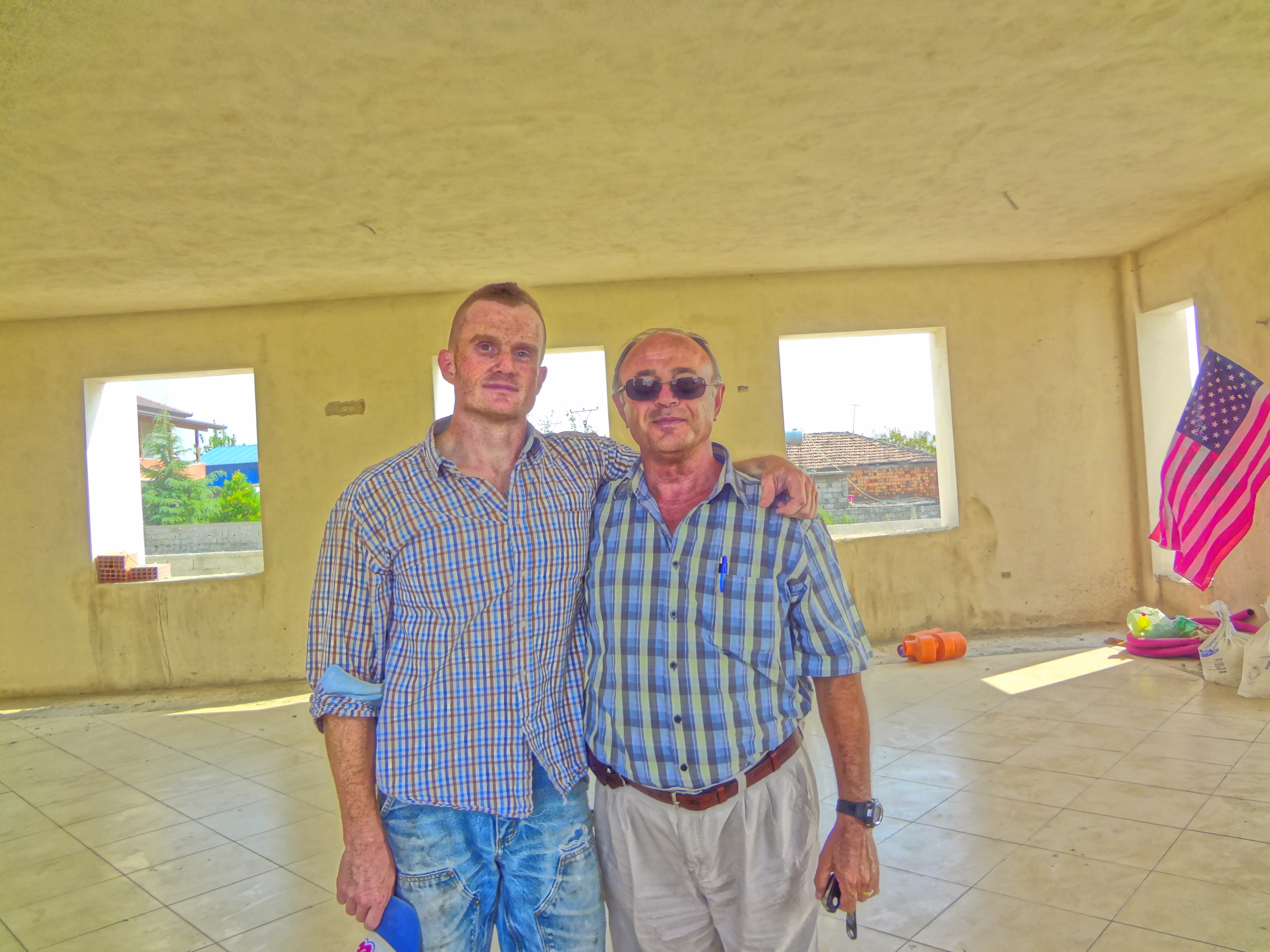
I gave my share of grunts when Fisnik the engineer came by.  Over the past four plus months he and I have gone from a stance of tolerance for each other to a genuine respect and fondness for the other.  Dogs need time to sniff and snap and growl before they become a pack.  By the end of tomorrow we should be ready to pour, or at least ready to turn the site over to a skilled concrete crew.  I am eager to see what our work looks like covered up.

Image

After work Sajmir invited me to his house for a special meal.  I agreed to go under terms that I not be there too long, that the visit be a brief one.  I must have lost my wits, forgetting that visiting someone’s home in Albania is like going to your grandmother’s house.  There are no quick visits to your grandmother’s house.  Sajmir’s wife Zamira fixed us a 5kg fish he had caught recently.  Some combinations of factors lend themselves to a more enjoyable dining experience.  I can’t imagine any fillet tasting finer.  Nor can I imagine feeling more honored to be the guest in someone’s home.  Four hours had passed before I realized that it was nearly too late to get a bus back to Tirana.  Sajmir shared some very touching words with me.  It is difficult to know how to respond to so much love poured out.

Image

When words fail, silence serves.

I was reminded today of just how much thought and planning goes into the ministry we as Christians are called to do.  Although we are equipped and empowered by God to bring His message to the World, it is not always clear how He intends for that to happen.  Patience has been on the growing edge of my maturity for as long as I can remember.  I have always wanted for more of it.  Over the last week God has given me a vision for ministry in Mitrovica; ideas, thoughts and inspirations.  As I talk to the people here, however, none of them think that healing can really come to that place.  No one can agree on when hostilities between these two people groups began.  The more I research the subject, the more villains emerge on both sides of the fighting.  From what I can tell, however, the strife of Mirovica comes down to a lack of leadership, resolve, and will.  I know that healing, true healing, can happen within the span of a single generation.  Members of my family put their lives aside for years to defeat the Japanese in the Pacific, and I can name Toshiyuki Ishigaki as a friend and someone I greatly respect.  My extended family also sent men to fight in Europe, but one of my uncles comes from Germany and can still recall growing up under the guiding hand of Adolf Hitler.  If God can heal the eyes of my family to see that we are enemies with no people group simply because of where they were born, why can He not also accomplish the same miracle in Mitrovica?  

Image

I am seeking only the best advisers as I chase down the hows of answering a call to be a source for the healing word of God to a broken place.  For all of me I have to believe that the youth, particularly the young men, are the key to a lasting peace in a place that has known too much violence.  If we can think of each new friendship, each act of love, each kind word, each expression of respect as a white blood cell racing to counteract the disease of hate, then our work is not so daunting after all.  What were we made for if not to love?

When I bought my plane ticket to come to Eastern Europe I set my return flight at seven months out.  Seven months sounds like a good amount of time, a long time, over half a year; time enough to experience a spring and a summer and to dip my toes into an autumn.  Now that I am roughly five months into my seven month service commitment, seven months has suddenly become two months, which feels like almost no time at all.

Image

I have been praying for God’s guidance as to how I should proceed.  I have been invited to stay and to serve longer.  It would seem I am welcome to serve for as long as I care to, for as long as I feel called to, for as long as I can.  I am a man blessed to be single and without children which makes this decision one between me and God and no one else.  Have you ever been away from home, missing it more each day, each day finding fresh memories to pull you back to where you first knew love, first knew loss, first had family?  

Image

I feel called to stay.  I feel called to serve in Mitrovica.  I can remember working at the Wallingford Starbucks in 2002 with a man named Tom Poole.  We were having a conversation about God and the decision to become a Christian and what that would mean for my life.  I told him that I was afraid of what God would ask of me if I chose to follow Him.  So far God has brought me from Seattle to this place, Albania, and there is nothing to fear here.  If next He leads me to Kosovo I will meditate on this word: “Do not be afraid of them, for I am with you and will rescue you,” declares the LORD. (Jeremiah 1:8)

Image

Dear Reader, I covet your prayers and you thoughts.  I am so grateful that you have decided to join me on this journey.  I thank you for your love and friendship,

Joshua 

I could be there

With you now

Sipping at black coffee

Sitting over pen craft

Jotting notes in my mind

Taking short-hand what

Eyes make out you saying

Looking on you over eggs

Little circle potatoes


The office from your school

Days no different than today

How are family, sport and work?

They are challenges loved

How are history and the day ahead?

Who can say with certainty?

Where do we seek?

For making peace

Finding blessings under scars


Not in stars

Nor familiar paths

Worn well and often

But in tearful phone calls

Psalms and other verses

Gifts all

Every one a gift

As you have been to me

My uncle and dearest friend


Joshua Hughes

27.8.2012

The Bible College in Sauk, where I keep an apartment, opened and held its first classes in 2003.  Originally it was established to bring higher education to Albanian church leaders in Tirana and surrounding cities.  What is has since become is a place where people with a passion for serving God, an aptitude for leadership and a clear calling to ministry can come and be strengthened.  When I first moved here I was blessed to be surrounded by the students of this school 24 hours a day.  The school fosters and builds on the passionate fire within its student body; fanning the flames with Christian direction, teaching, and encouragement.

Image

Last spring there were six graduates of the two year program here.  Of the six, four of the students have gone on to serve in the city of Gjakova.  Gjakova is a city in southern Kosovo, near the border with Albania.  The 1990s were a time when the rights of ethnic Albanians of this region were taken away almost entirely.  Serbian police and military were allowed and even encouraged to mistreat the Albanian population of Kosovo.  It was the hope of Milosevic to push Albanians out of the province of Kosovo long enough for records of their rightful claims to property and holdings to be destroyed; in order that their holdings could be redistributed amongst Ethnic Serbians.  The people of Gjakova suffered greatly during this time.

Image

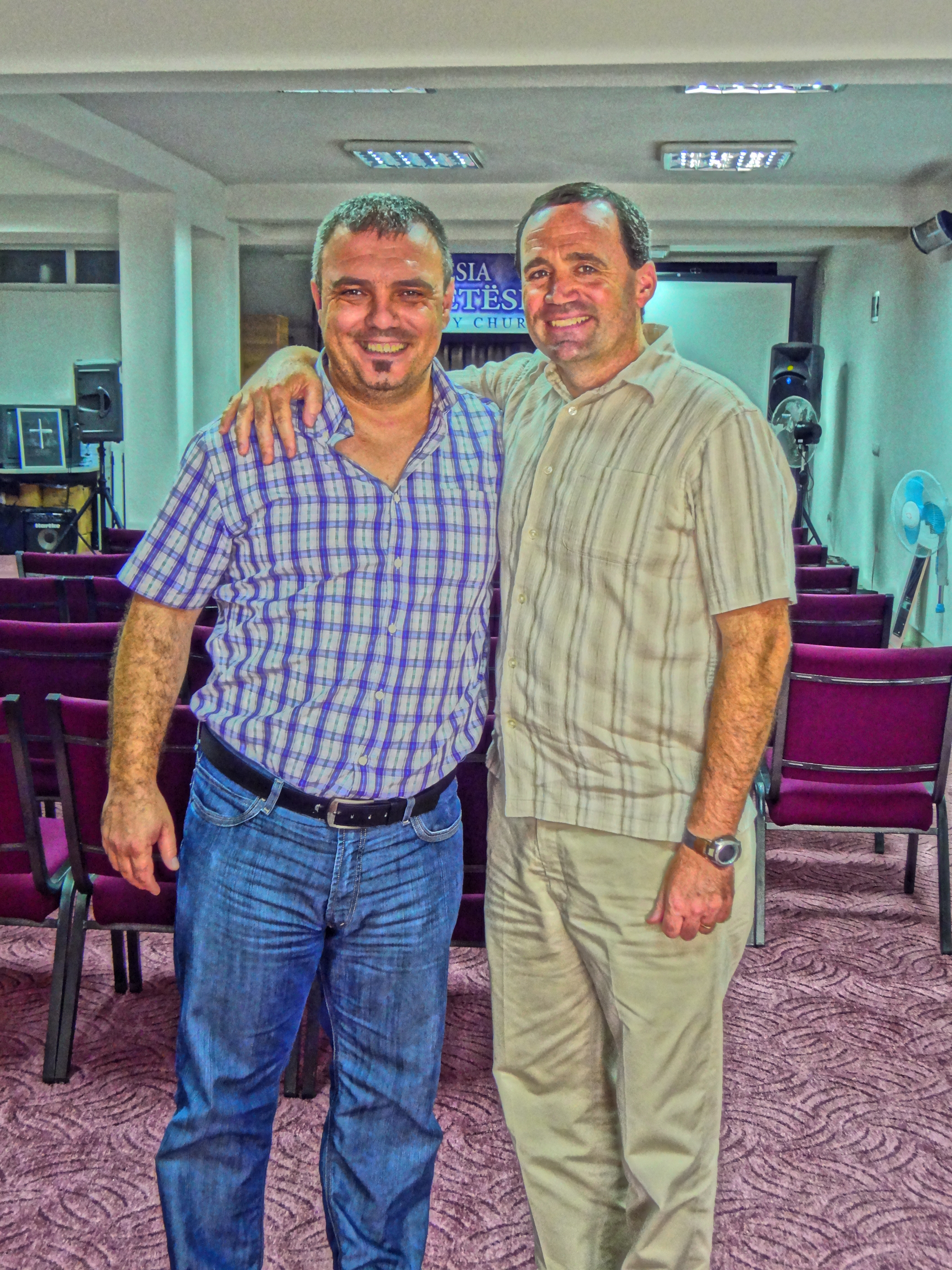
One of our most recent Bible School graduates was one of the young men who had to flee the violence of that time.  I have written briefly about Astrit in past posts, but it would not be possible to say too much about the man he is.  Astrit is a peacemaker, a man of God, a man of courage, integrity, forgiveness, joy and strength.  He and his wife Emily are now pastoring the Evangelical Church in Gjakova full time.  They are precisely the type of couple God intends to be leading the way on the frontier of Christian outreach to the wounded fray of our modern world.

Image

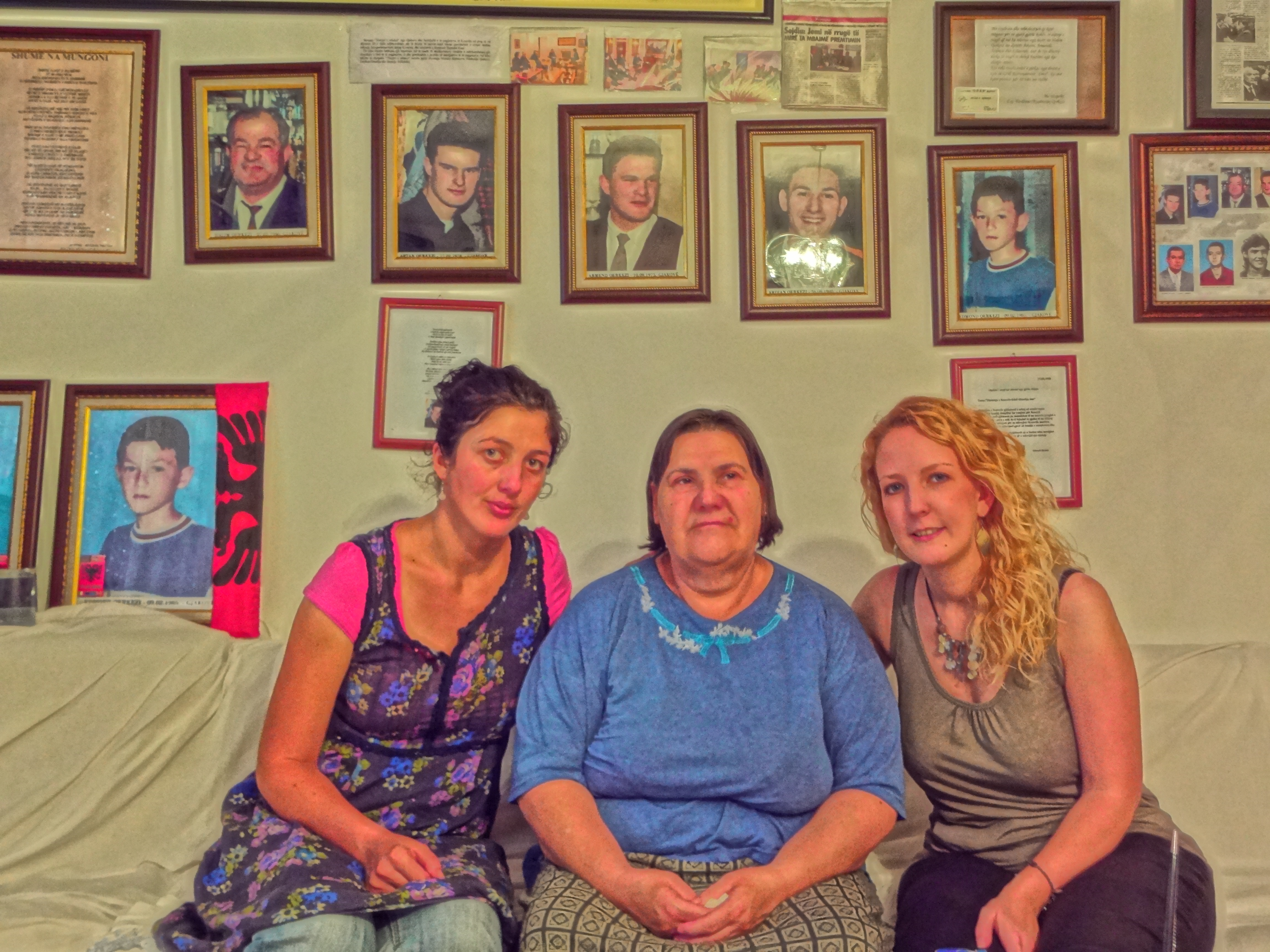
We accompanied them to a woman’s house near their church.  Mrs. Qerkezi was widowed during the conflict in 1999.  A few days after NATO began its bombing campaign against Milosevic’s forces, 11 members of her family were seized and taken away in a military vehicle.  Only two of these men’s bodies have been found, the other nine are presumed dead.  Zonja Qerkezi has kept the family home as it was.  It now acts as a museum to the lost.  Her sadness and grief are things which only God can comprehend.  I could offer no words of comfort save the thought that our God is just, that His love for her is unwavering.  Sometimes it is difficult to know what might enrage us the most; the initial orders to kill unarmed civilians, the carrying out of the crimes, or the utter lack of discipline to the criminals responsible.  Or are we called now to feel something other than rage?  Are we called to feel love instead?

Image

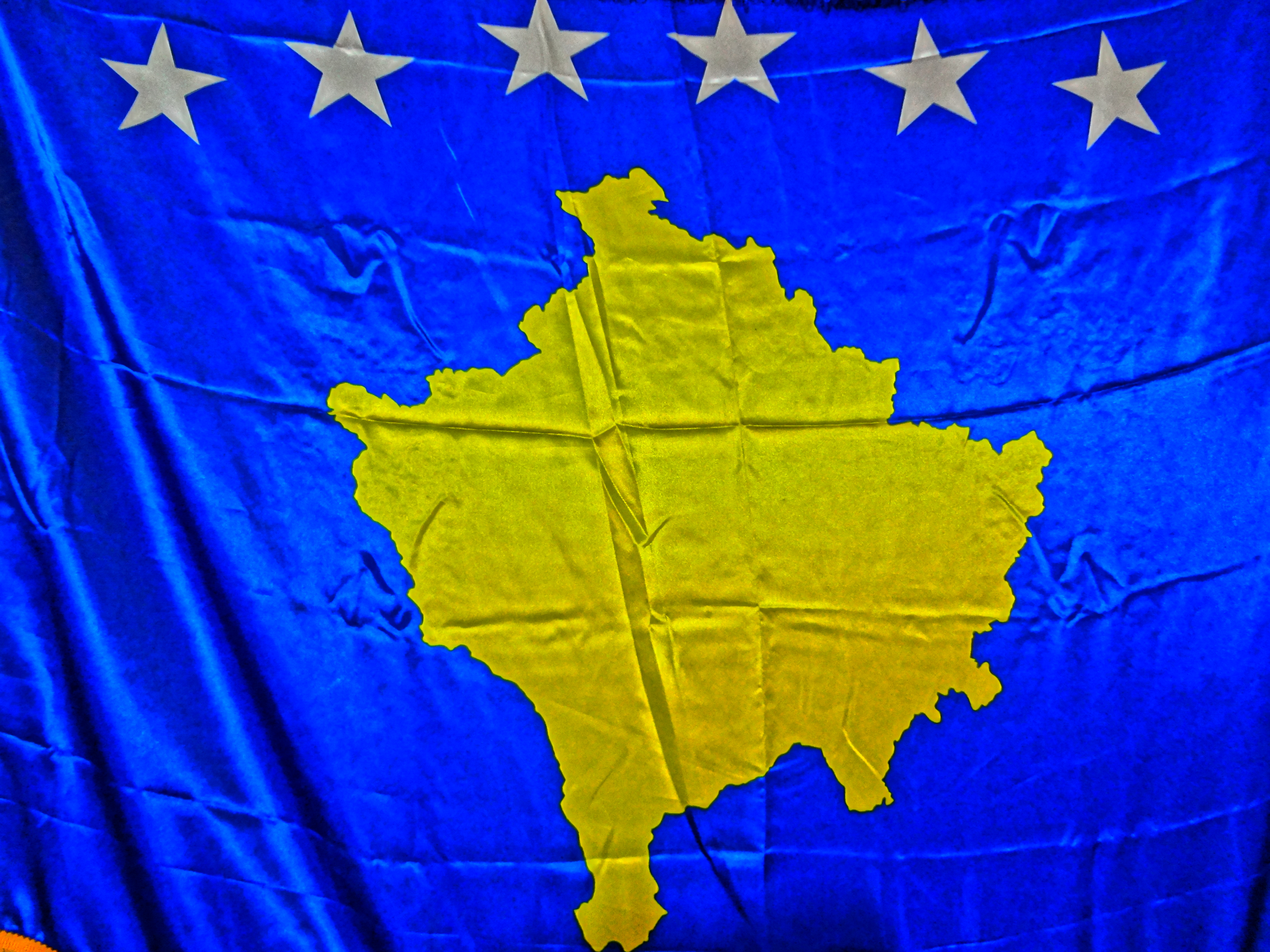
In the wake of this disastrous chapter in the Gjakova story are the men and women of Kosovo.  The young people who only a few months ago were learning the basics of Christian teaching are now leading the way toward reconciliation in a land still spongy-wet from the blood of the innocent.  Kosovo is in the hands of God’s disciples.  For them the future is full of promise, no matter how steeped in hatred is the past.

Image

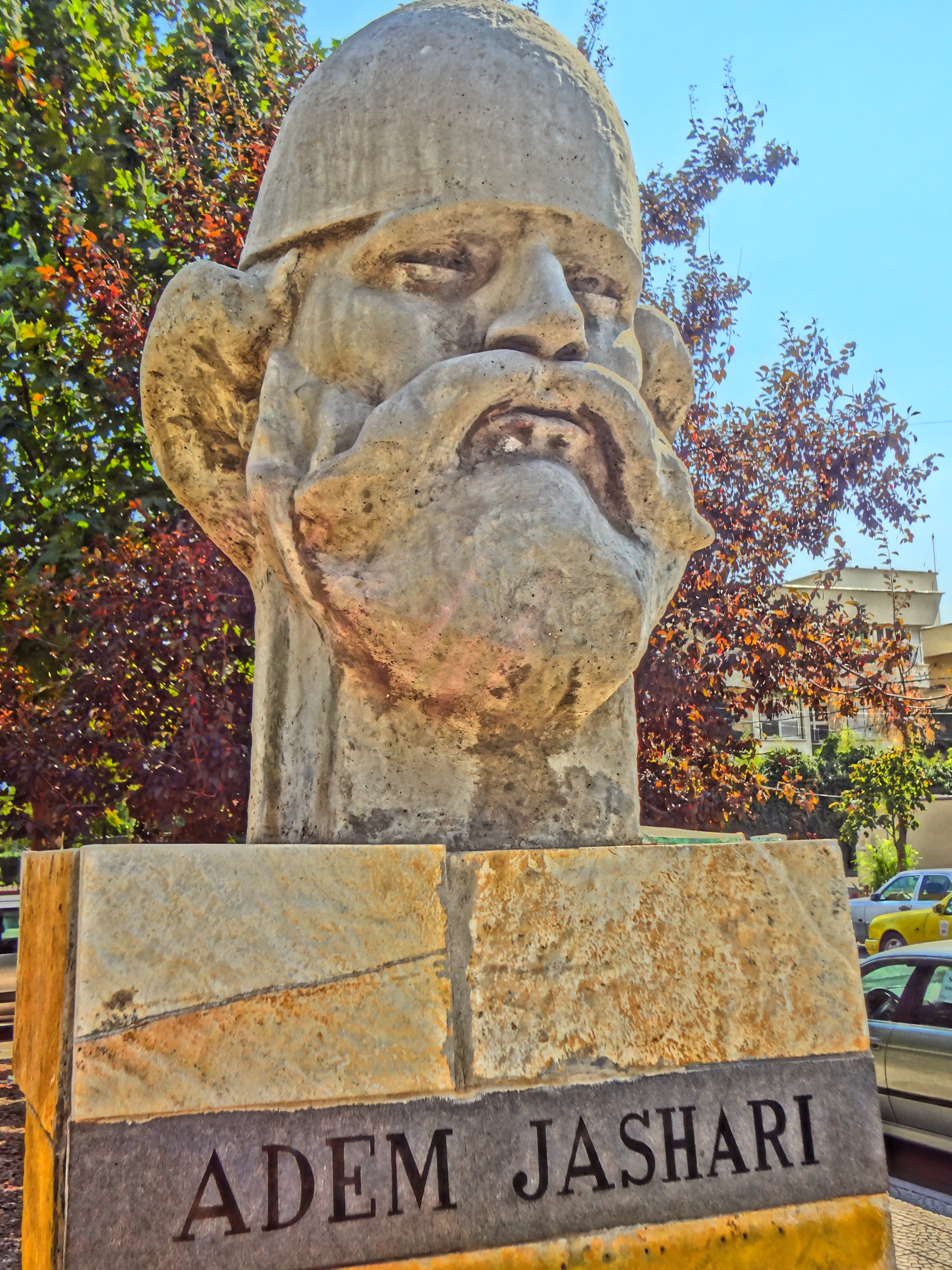
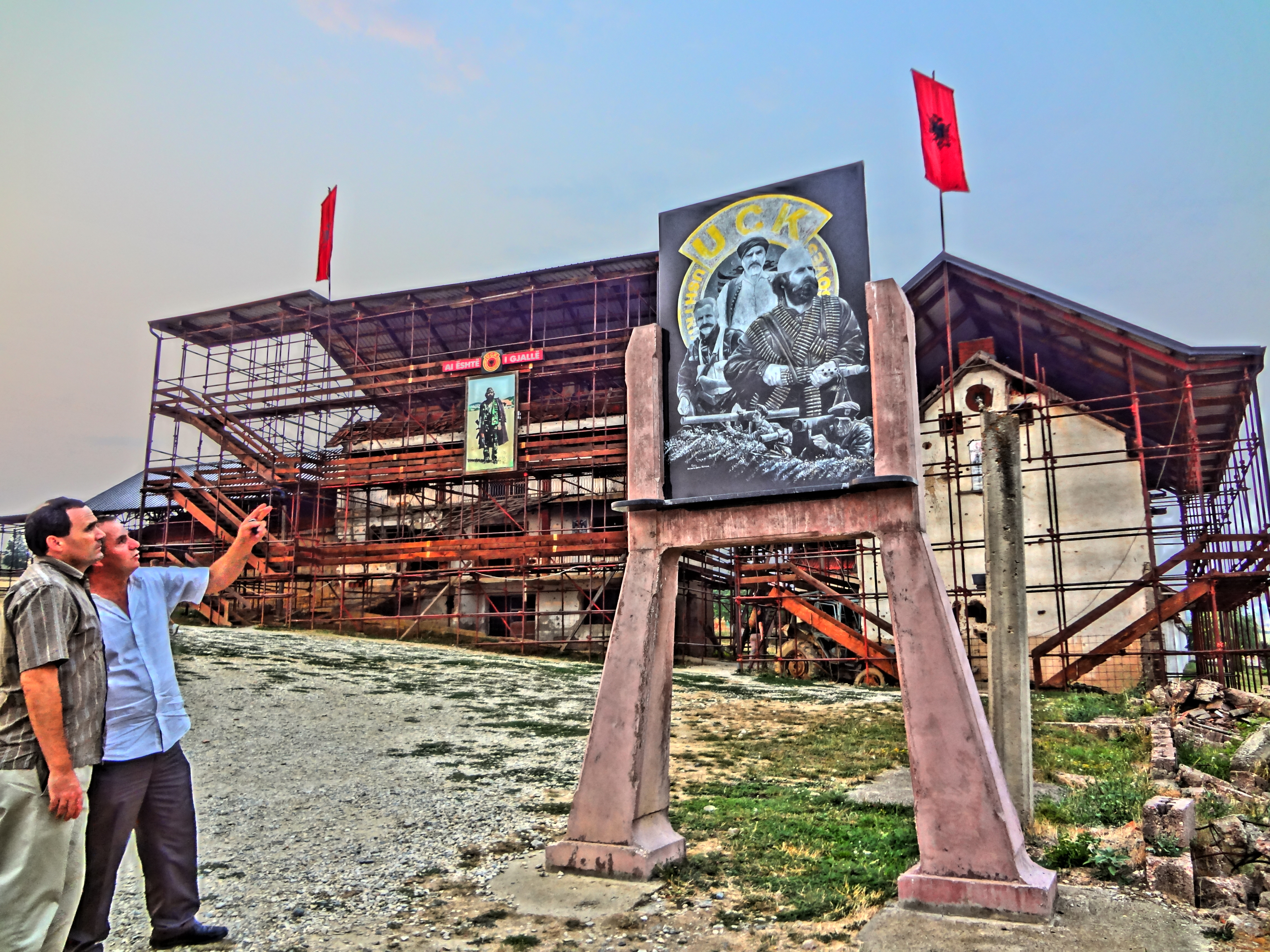
The Adem Jashari Family Memorial is an expansive compound located on about four acres of land in the village of Prekaz, Kosovo.  It is a site which commemorates the man and the sacrifice of Adem Jashari, a Kosovar freedom fighter who, along with 54 members of his family, were killed on or within a day of 7 March 1998.  

Image

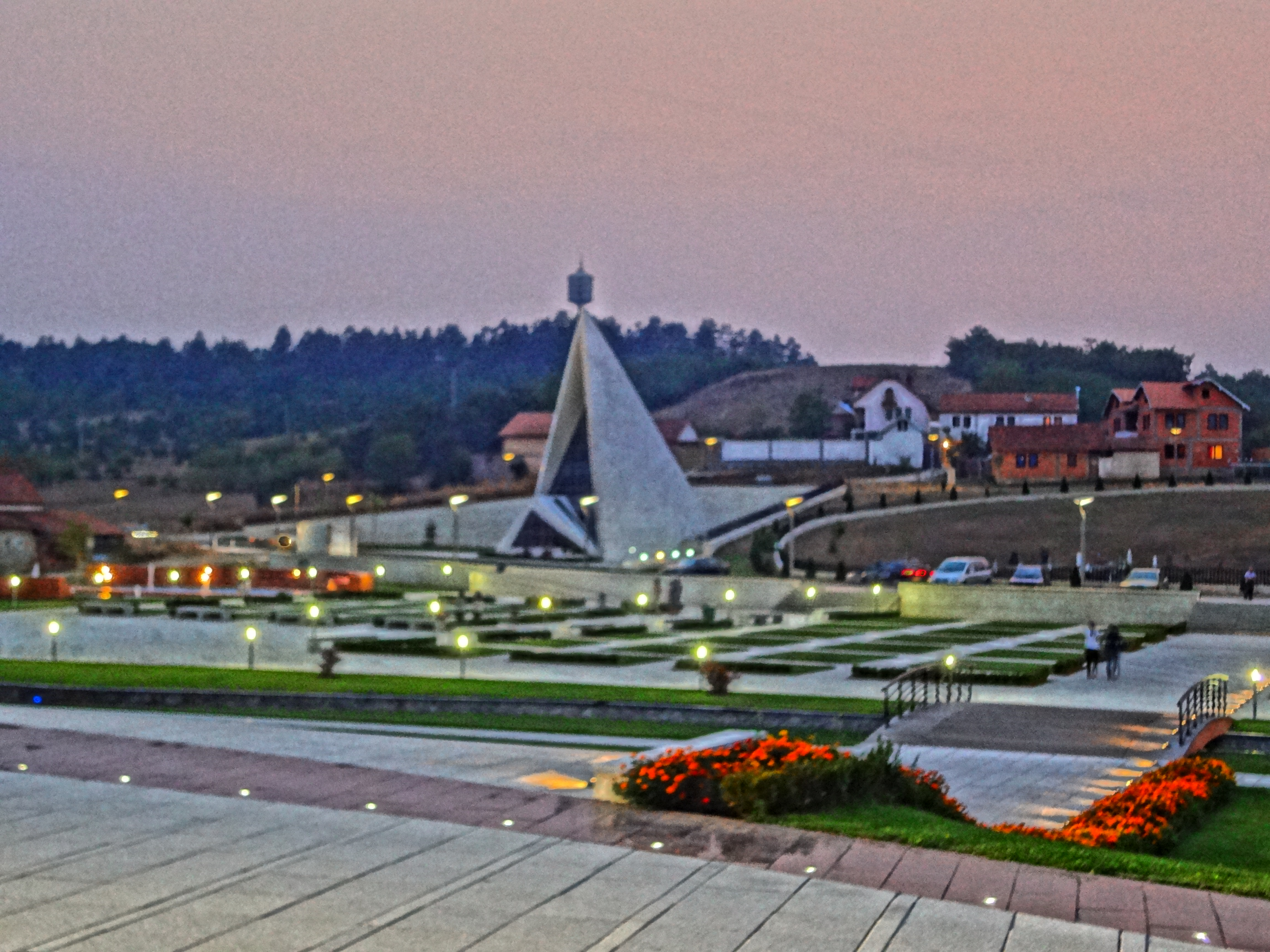
The Jashari Family houses which were besieged by the Yugoslav National Army have been preserved; covered by free-standing roof structures and surrounded by scaffold-style catwalks.  There are a few small souvenir shops near by.  A great, three-dimensional, triangular building has also been erected near by; serving as a marker of infamous slaughter.  

Image

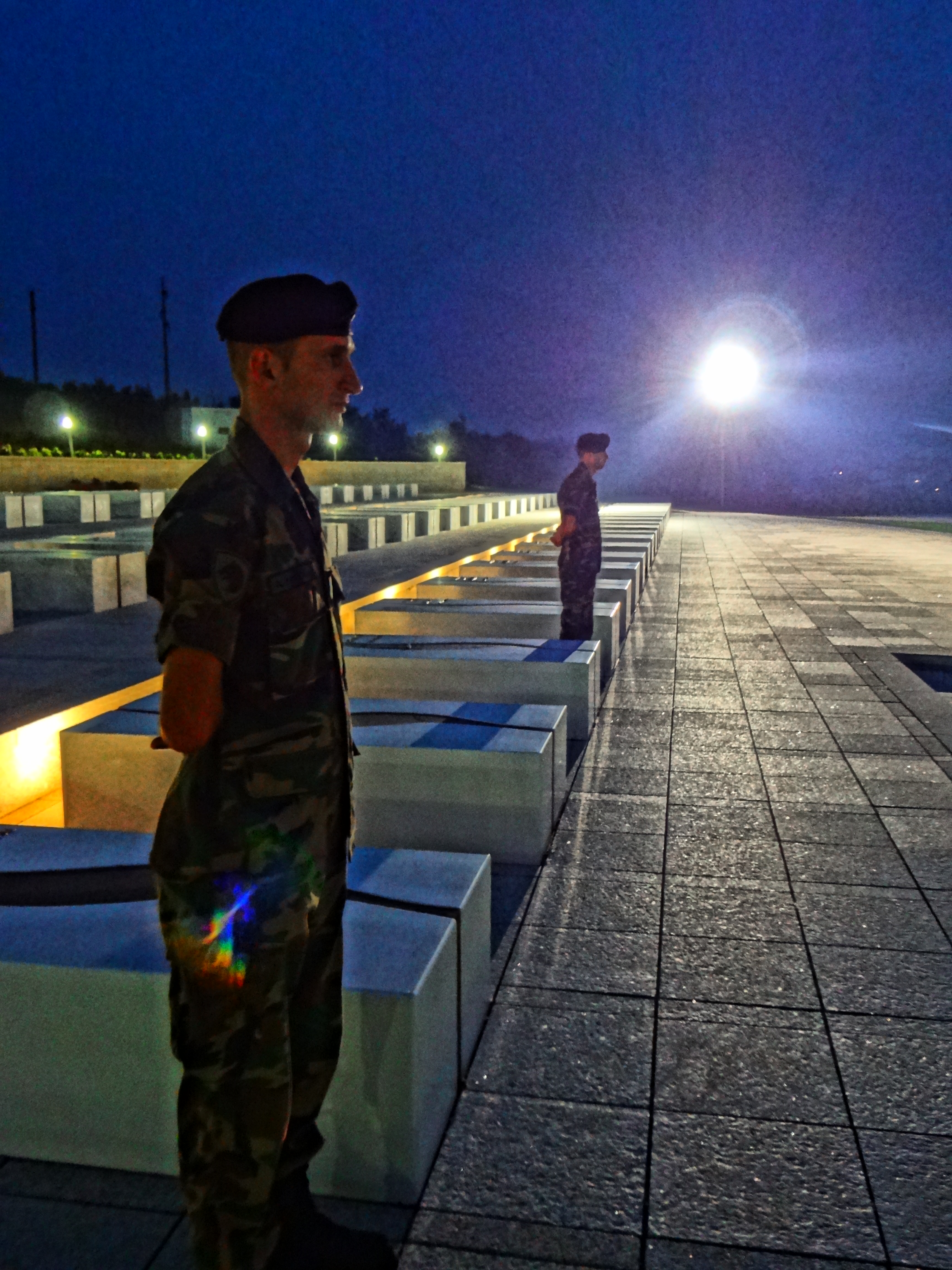
There is a pathway, paved in blood-red marble winding its way throughout the memorial.  One path leads up a gentle incline to a bunker where Adem and his family would travel to from time to time.  The central focal point of the entire complex is, however, the 59 solid-core, Carrera marble grave markers which line three steps of the hillside across the street from the Jashari family plot.  The graves have been placed chronologically by generation beginning with Adem’s father and succeeding to his brothers and himself, followed by their wives and children.  

Image

This was murder, the murder of an entire family.  Of the 59 markers, 55 of them read “Jashari.”  In the tradition of ethnic cleansing, only one member of the family was found alive.  Blerim Jashari, the youngest to die in the tragedy, was born in 1992.  I wasn’t able to find a more specific birthday than that.  

Image

A few years ago I had the good fortune to visit the Good Hope Baptist Church in Adair Oklahoma.  Five of the six founders of that church have my last name; Hughes.  Looking over the graveyard outside of that church I found about forty grave markers with my last name engraved in the stone.  It was unsettling.  If 55 members of my family were to die on the same day, who would that leave?  Would there be anyone to remember us?  Would anyone remain to pass on our legacy to historians and future generations?  For the Jashari Family, the day they died marked the birthday of the nation of Kosovo.  

I once wrote a letter to my mother, attempting to express what she has meant to me.  Impossible, it was impossible to gather the enormity of her influence on my life in words.  She cared for me from the very first time she began to care for herself, while she was still a child.  She had done more for me than I could even know to say “thank you,” for.  The feeling that it would be impossible to convey something adequately with words alone gives me pause again as I write about my first impressions of Kosovo.

Image

I should say before continuing that I have only spoken with ethnic Albanians and a few Americans about the conflict in Kosovo in recent years.  I could not begin to claim that I have taken every perspective into account while writing this post.  Having said that, I can’t imagine someone defending the acts of the Serbian military in recent years in this area of the world.  

Image

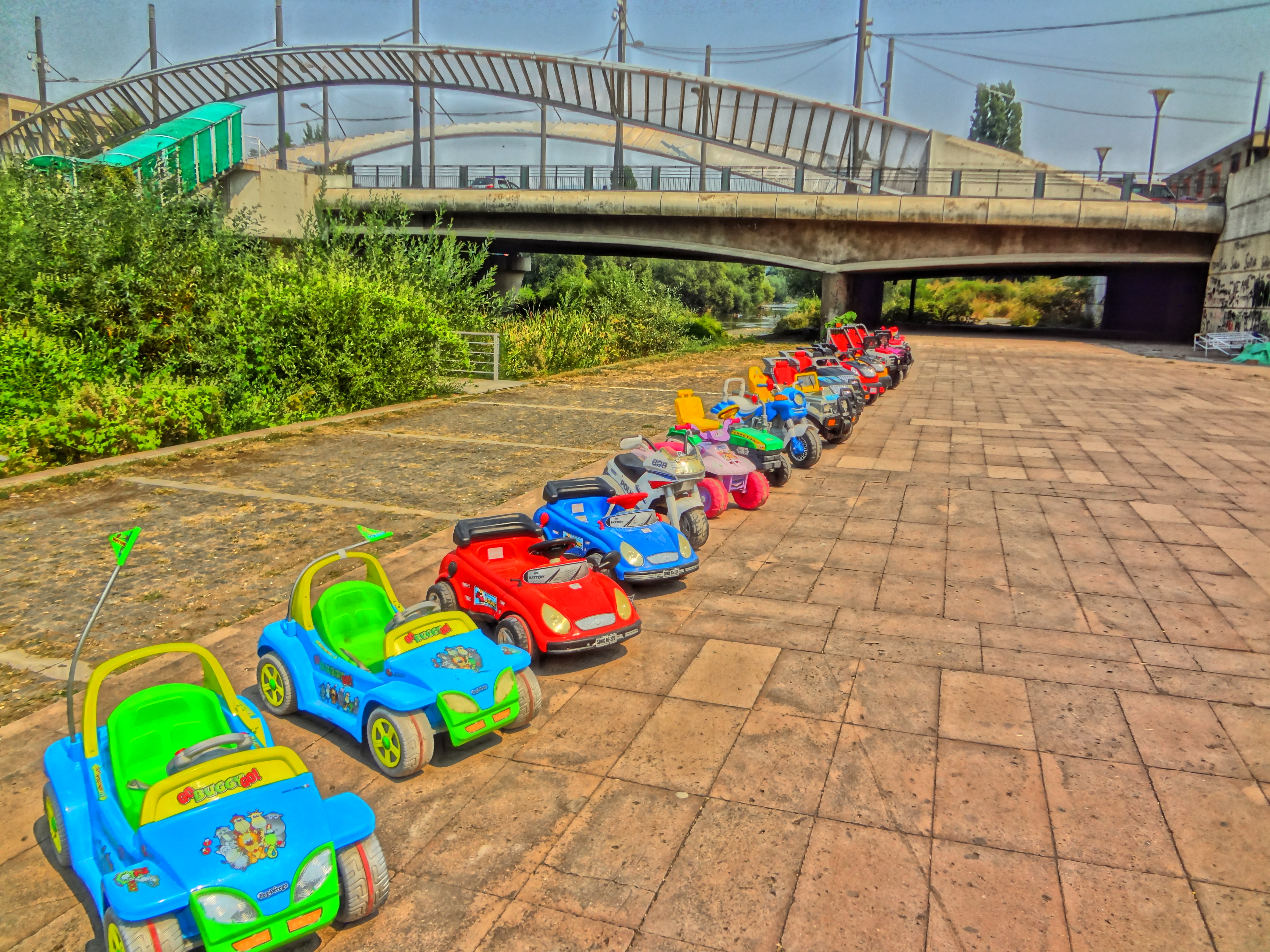
Mitrovica is a city in northern Kosovo, around 40km south of Serbia.  Although it is fairly deep in Kosovar territory, many people would say that the Ibar River, which runs through the northern part of the city, is in reality the line which provides demarcation between Serbia and its neighbor to the south.  NATO forces keep the peace in Kosovo, and there is a 24 hour contingent of Italian troops stationed on the bridge over the Ibar in Mitrovica.  Having a group of armed foreigners on hand is both reassuring and disconcerting, worrisome and a source of relief all at once.  

Image


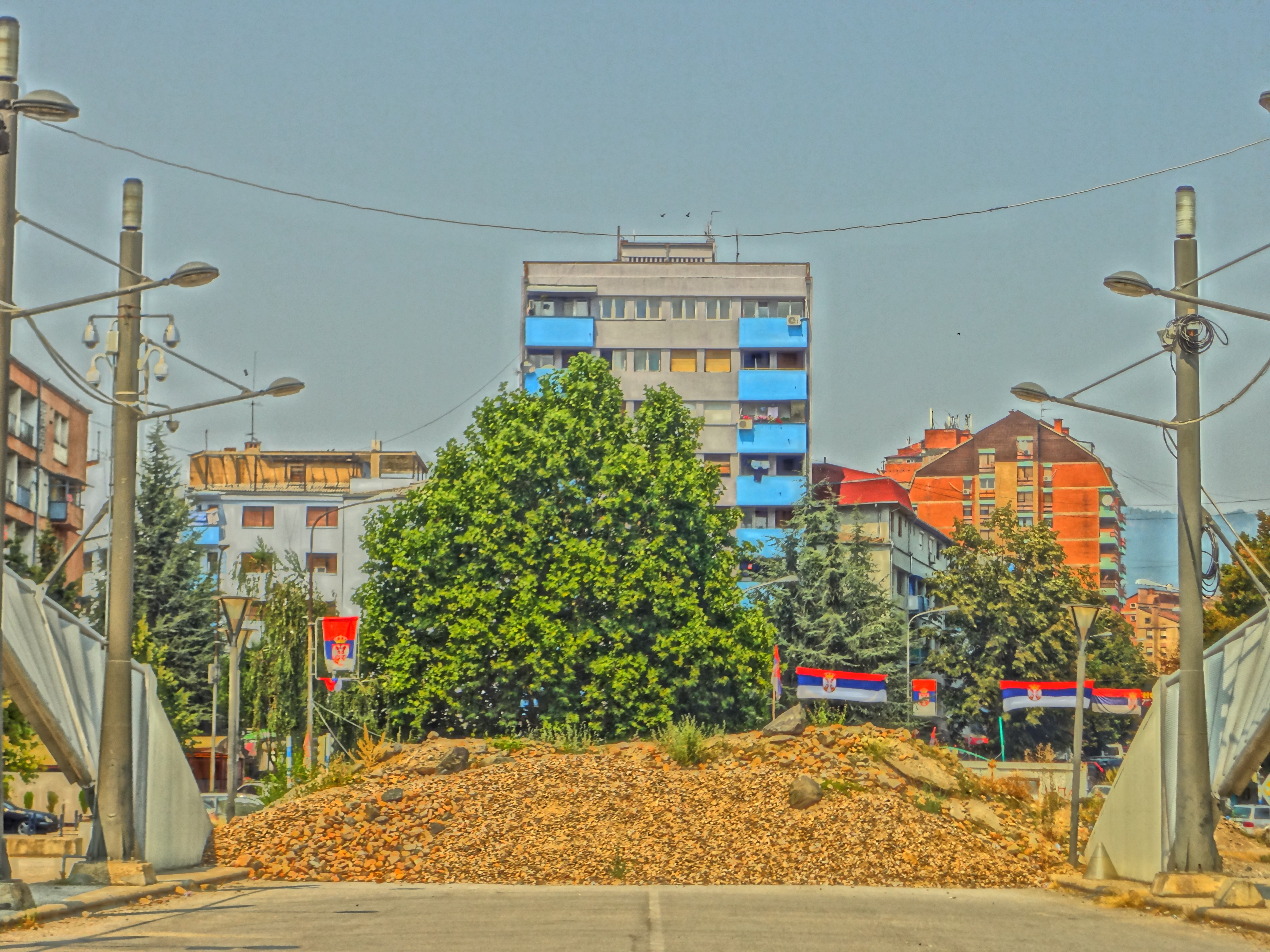
Just across the bridge, in what is legally territory held by Kosovo, fly the flag, banners, and colors Serbia.  The bridge has been made impassible to vehicles; a few square yards of stone and earth reinforced with roughly poured concrete have created a barrier on the Serbian side of the structure.  The policeman we spoke with on the bridge told us that men with rifles were stationed in the buildings on the Serbian side, ready to open fire on targets they might fancy needed killing.  Imagine an injured bull, laying on its side.  The bull is bleeding from a sharp protruding object, glistening red in full view.  The animal has its eyes open, seething anger and fear in the rhythm of breathing are palpable.  Reaching in to remove the foreign object will eventually cause healing, but at first the bull might react too strongly; violently lashing out and ripping open your gut as you try to help it.  That is what the bridge over the River Iber feels like.  You can see what needs to happen, sense that healing is so very close, but fear puts you in check, and so the city bleeds and bleeds.

Image

Today I was again reminded of how wise it is to rise for work early in this heat-trapping, moisture rich climate.  Although it hasn’t rained more than twice in the last two months, the air feels like New Orleans.  There is rarely a comfortable hour.  Standing on a bus after the hour of 8AM is like standing on the edge of a crowded indoor pool in the summer time.  Trying to keep one’s shirt from sticking to the body seems like as good a game as any.  Like most games worth playing, you don’t always win.

Image

Three men and me today.  There is a satisfaction in building which is unmatched by other endeavors.  At the end of the day there is a new wall, seat, floor, pit, or covered system.  Each day’s work is marked like the gouges left in a tree you mean to fall with an axe.  Eventually the tree will fall, but until then you have to be content with the leaving of the marks.  As I swing the axe I am thinking about the placement of the next strike more than I am thinking about other strikes I’ve made.  Those strikes are struck, over.

Image

The pounding of one-meter-long steel posts into the ground with an 8 pound sledge is not entirely satisfying in and of itself.  Nor is the spreading of an underlayment of plaster, the setting of a few concrete curbs, or the carving out of earth for the setting of pipes.  All of these things will one day make an operational church building, however, and there is satisfaction in that.

Image

So much of what we do has a repetition so familiar to it that we think about it only with a piece of our mind that cannot speak.  As I fold cement into water into gravel, turning dust and fine rock into a viscous, liquid stone, I am thinking about nothing.  Even the soreness of my shoulders or the strain on my abdomen as I twist, scrape, lift and turn does not occur to me.  And in the end it is not dust and fine rock I leave behind, but a facility, a building, a place to gather.  A place for Him.

Image